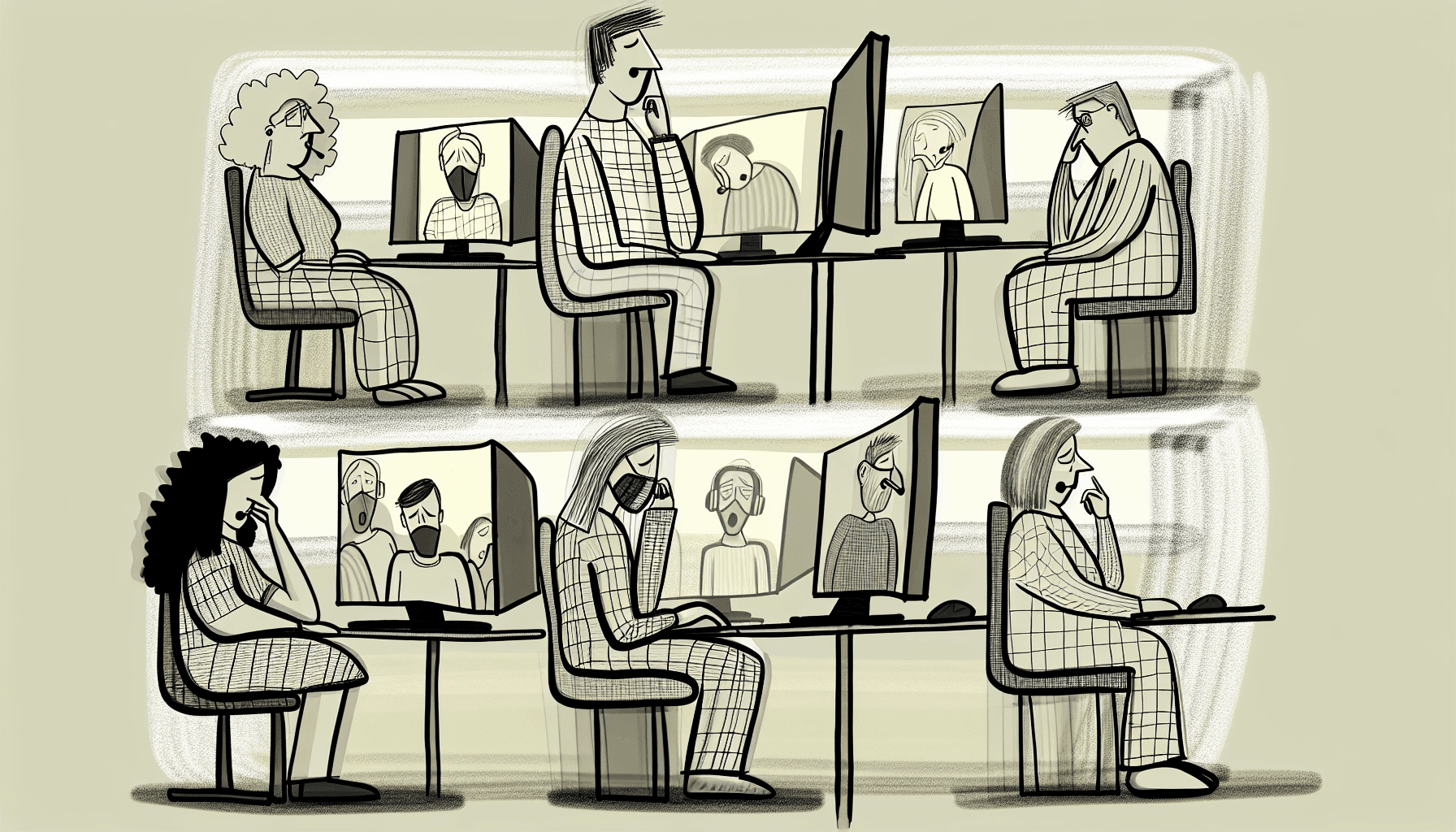
Virtual Meeting Fatigue: Why Your Brain Gets Tired and How to Fix It
The Science Behind Virtual Meeting Fatigue
Let’s face it, virtual meetings have become our new norm, especially in the current remote working landscape. However, many of us are experiencing a strange yet very real phenomenon known as virtual meeting fatigue. So, what is it that makes our brains feel exhausted after back-to-back video calls? Research suggests that this fatigue is not just a figment of our imagination.
According to neuroscientists, when we engage in virtual meetings, our brains are working overtime. Firstly, there’s the challenge of processing multiple stimuli simultaneously: the video, the audio, the visual cues from participants, and our own simultaneous reactions. This can lead to cognitive overload, leaving us feeling drained after a session.
Additionally, studies pinpoint the role of eye strain due to prolonged screen time. Many of us spend hours staring at our screens, leading to discomfort and dizziness, further exacerbating feelings of fatigue. Not to forget the absence of physical interaction—without the usual body language cues, we are also working hard to interpret verbal cues without any physical context, which can increase mental exertion.
Moreover, the psychological aspect can’t be ignored. The pressure to appear attentive and engaged during these calls can create additional stress, impacting our mental health. A lot of people feel they must maintain a certain level of productivity during these gatherings, which can further intensify feelings of fatigue and burnout.
- ✓ Increased cognitive load due to multitasking during calls.
- ✓ Eye strain and discomfort from prolonged screen time.
- ✓ Stress from the pressure to stay engaged.
Understanding these factors can help in finding effective strategies to combat virtual meeting fatigue. In the upcoming sections, we will explore practical ways to manage this issue and enhance our overall productivity while working remotely.
Neurological Effects of Prolonged Video Calls
In the age of remote work and digital communication, we find ourselves on video calls more than ever. The convenience of virtual meetings is undeniable; however, recent research indicates that these encounters can be more exhausting than traditional in-person interactions. What happens to our brain and heart during these prolonged video calls? Let’s delve into this fascinating topic and uncover the neurological effects, as well as explore why Virtual Meeting Fatigue has become a common issue among many professionals today.
Our brains are wired for face-to-face interaction. During in-person meetings, we engage with non-verbal cues like body language, facial expressions, and even subtle shifts in tone that help our brains process information more effectively. In contrast, video calls can create a disjointed experience. The inability to read a person’s body language and the constant focus on the screen can increase cognitive load, making it much harder for our brains to keep up with everything happening during the call. Studies suggest that this heightened cognitive strain can lead to increased mental fatigue and even contribute to a sense of isolation, as we miss out on the natural social interactions that occur in physical spaces.
Moreover, a phenomenon known as ‘Zoom fatigue’ has emerged. This term refers to the exhaustion many feel after multiple virtual meetings in a day. Researchers have found that the constant visual stimulation from screens distracts our brains. With each video call, we tend to engage deeply with our own reflections and the reflections of others on the screen, which can create an altered sense of self-awareness. This increased self-scrutiny can be overwhelming for our minds and can lead to anxiety, making it harder to recover after such meetings. It’s like running a marathon without any rest in between! Our hearts and minds are working overtime to keep up with the demands placed on us, leading to emotional fatigue.
Given these effects, it’s essential for us to acknowledge the unique challenges posed by virtual environments. To combat the adverse neurological effects of prolonged video calls, we might consider implementing some constructive strategies. Taking regular breaks, ensuring a comfortable setup, and limiting back-to-back meetings can significantly enhance our overall experience and provide much-needed respite for our brains and hearts. The way forward involves not just adapting to a new normal but also prioritizing mental health and well-being as we navigate through an increasingly digital workspace.
It’s crucial to recognize the toll that virtual meetings can take on our minds and bodies, and to take proactive steps to minimize their negative impacts while reaping their benefits.
Practical Strategies to Reduce Virtual Meeting Fatigue
Have you ever considered why virtual meetings, despite their convenience, seem to drain our energy? Many people find that they feel more fatigued after hours of back-to-back video calls compared to traditional in-person meetings. The phenomenon, known as Virtual Meeting Fatigue, is becoming increasingly common as remote work persists. This article will explore effective strategies to combat this fatigue, allowing us to continue working productively without feeling overwhelmed.
1. Schedule Breaks Between Meetings
A common mistake many make is scheduling back-to-back meetings without breaks in between. Try implementing short breaks (5-10 minutes) to give your brain a chance to recharge. This not only helps you rejuvenate but also allows for moments of reflection to organize thoughts and prepare for the next discussion.
2. Set Clear Objectives and Agendas
Before each meeting, take a moment to establish clear objectives and an agenda. Let all participants know what is expected of them. This reduces uncertainty and provides a focused structure to the discussion, making it easier to stay engaged.
3. Ditch the Camera Sometimes
Though video calls are the norm, it helps to occasionally turn off your camera. This can relieve the pressure to maintain a certain appearance and allow for more comfort. Using audio-only can also reduce fatigue from constant facial recognition and eye contact required in video formats.
4. Engage with Interactive Tools
Incorporating interactive tools like polls, breakout rooms, or collaborative platforms can help make meetings more engaging. This encourages participation actively, breaking the monotony often associated with virtual meetings.
5. Mindfulness and Physical Activity
Taking time for mindfulness or stretching exercises during breaks can significantly reduce stress. Quick physical activity boosts endorphin levels, making you feel more energized and less burdened.
6. Communicate Preferences
Finally, don’t hesitate to communicate your preferences. Share with your team what works for you. Whether it’s opting for fewer meetings or suggesting alternative methods for communication, being open about your needs can help alleviate pressure.
In conclusion, implementing these strategies can help to combat Virtual Meeting Fatigue in our daily routines, enhancing not only productivity but also our overall well-being in a remote work environment.
The Future of Remote Meetings: Balancing Efficiency and Well-being
In recent years, the world has experienced a seismic shift towards remote work, predominantly catalyzed by the pandemic. This shift has brought forth a plethora of advantages and challenges. While remote meetings have provided an efficient means of connecting with colleagues and clients across geographical barriers, research has indicated that these digital interactions may also lead to increased fatigue. The term Virtual Meeting Fatigue has emerged as a focal point of discussions surrounding modern workforce dynamics, revealing a paradox that needs addressing.
The integration of technology into our daily routines is an inevitable evolution; however, it necessitates a balance between productivity and emotional well-being. Companies such as Zoom and Microsoft Teams have revolutionized how we interact with one another, offering robust platforms for collaboration. However, as we embrace these tools, we must also recognize the long-term implications they carry. Remember that while efficiency is crucial, fostering a supportive environment for mental health is equally vital. Being constantly available and engaged in video calls can lead to exhaustion, which ultimately diminishes our capacity to produce quality work.
Finding a balance between efficiency and well-being involves incorporating strategies to mitigate the challenges of virtual interactions. Organizations can encourage practices such as scheduling regular breaks, implementing camera-off policies during certain meetings, and promoting flexibility in work hours. Moreover, creating awareness around mental health resources and encouraging employees to unplug after work hours can contribute to a healthier work culture. As we navigate this digital age, it is essential to prioritize empathy, connection, and teamwork in our interactions, merging the best of technology with the human aspect of communication. Ultimately, the goal is to harness the benefits of remote meetings while ensuring they do not compromise our vitality and creativity.
Q&A: Virtual Meeting Fatigue
#VirtualMeetingFatigue, #RemoteWork, #WellBeing, #Productivity, #WorkLifeBalance