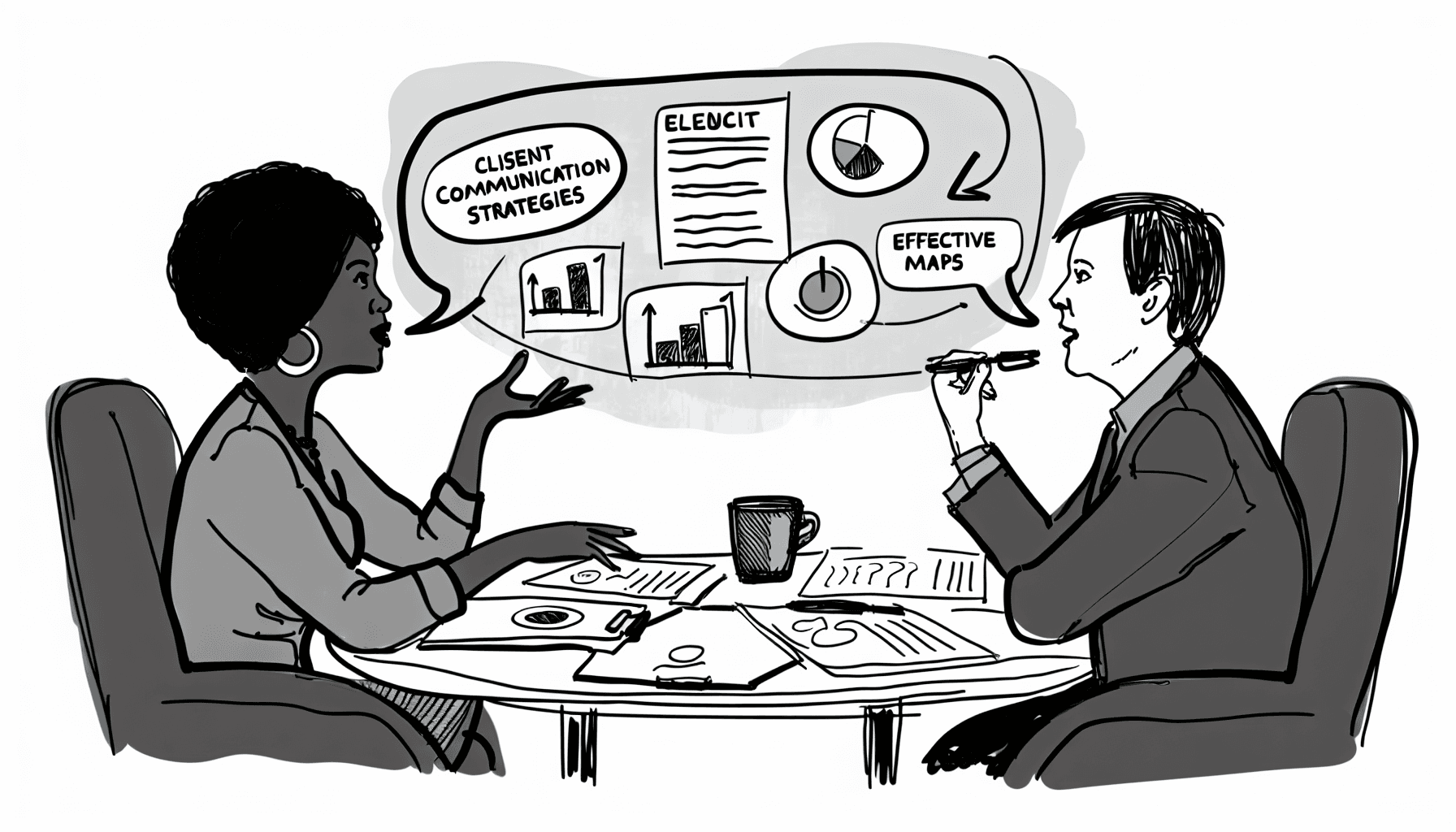
Client Communication Strategies That Strengthen Trust Without Sacrificing Results
Why Respectful Boundaries Are Crucial in PR
In the realm of Public Relations (PR), establishing and maintaining respectful boundaries is not just a professional courtesy, but a pivotal strategy for success. When we think about client communication strategies, the concept of boundaries becomes a cornerstone that dictates the tone, efficacy, and outcome of our interactions.
Imagine a scenario where a PR professional is overwhelmed with last-minute requests from a client who believes that urgency should dictate priority. Without clear boundaries, the PR professional might find themselves stretched thin, leading to burnout and substandard outcomes. It’s a slippery slope, where the lack of respect for boundaries can result in diminished quality of work, strained relationships, and inevitably, distrust from the client. This sets a poor precedent and can damage reputations and future collaborations.
Setting respectful boundaries is essential for creating a framework within which both the PR professional and the client can operate effectively. These boundaries allow for open communication, clarity of expectations, and a mutual understanding of the project’s scope. In essence, they create a space where both parties feel secure and empowered to express their views and concerns. Furthermore, it helps in preserving the integrity of the communication process, ensuring that all parties remain aligned and focused on the goals of the project.
Additionally, when boundaries are set respectfully, they foster a sense of professionalism. When clients see their PR partners standing firm on their principles, it builds a trusting relationship. Such trust is invaluable—it not only enhances collaboration but also promotes longevity in professional engagements. Clients are more likely to return to those who demonstrate respect for both their time and their professional expertise, creating a promising cycle of repeat business and referrals.
To illustrate, consider a PR agency that frequently turns down unreasonable requests that compromise quality or ethics. By doing so, they not only reinforce their commitment to delivering exceptional results but also position themselves as leaders in the industry, attracting clients who value integrity. This is a powerful demonstration of how boundaries can enhance brand reputation while achieving business goals.
Moreover, the conversation around respectful boundaries extends to the well-being of the PR professionals themselves. A culture that does not prioritize mental health can lead to high turnover rates, which is detrimental for both the agency and its clients. By respecting their own boundaries, PR professionals can foster a work environment that values balance and well-being, leading to happier teams and better outcomes for clients. This symbiotic relationship is vital, especially in high-pressure environments like PR where the stakes are high.
In conclusion, establishing respected boundaries in PR is more than a recommendation; it’s a necessity. It enhances communication, builds trust, and ultimately contributes to more successful outcomes. In an industry that thrives on relationships and reputation, boundaries are something that should never be overlooked. As we navigate the dynamic world of PR, let us remember that a successful partnership is built on mutual respect and understanding, leading to a promising future for both PR professionals and their clients.
Psychological Techniques to Communicate ‘No’ Effectively
Have you ever found yourself in a situation where saying ‘no’ felt impossible? It’s a challenge many of us face, especially in professional settings like public relations (PR). Establishing boundaries is crucial, yet it can lead to awkwardness or tension. Here, I’ll share some psychological techniques that can help you communicate ‘no’ effectively, without damaging relationships or causing confrontation.
One powerful way to say ‘no’ is by utilizing the sandwich technique. This method involves surrounding your refusal with positive statements. For example, start by acknowledging the person’s request, then clearly state your ‘no’, followed by a supportive comment. Simply put, it goes like this: “I appreciate your invitation to the meeting, but I can’t attend due to prior commitments. I hope you have a productive discussion!” This approach keeps the conversation polite and shows that you value their effort.
Use Empathy to Your Advantage
Another technique is to practice active listening. By taking the time to understand the other person’s perspective, you can respond with empathy. When you explain why you cannot accommodate their request, use phrases like “I understand that this is important to you, but…” This conveys that you respect their feelings while also asserting your own needs.
Yet another method involves being straightforward. I know it might sound harsh, but sometimes, a simple and honest ‘no’ can be quite effective. Just be sure to pair it with an explanation if necessary, to soften the impact. After all, keeping things transparent helps eliminate confusion.
By applying these techniques, you’ll find that saying ‘no’ becomes less daunting over time. You’ll empower yourself to set the boundaries that you need, while still maintaining positive relationships.
Practice Makes Perfect!
Lastly, practice is key. Role-playing scenarios with a colleague or friend can help you feel more comfortable with these techniques. Prepare for various outcomes so you can react appropriately when the time comes to say ‘no’.
Implementing these strategies will take time and patience. However, the more you practice, the more natural it will become. Remember, you have every right to establish your boundaries!
How to Redirect Bad Ideas Without Damaging Relationships
In our day-to-day interactions, particularly in the arena of public relations, it’s not uncommon to encounter ideas or suggestions from clients that are less than stellar. The challenge, therefore, lies in how we address these poor ideas without alienating the client or damaging the relationship. So, how do we effectively redirect these bad ideas while maintaining a positive dialogue? It all starts with keeping the lines of communication open and using strategic communication techniques.
First and foremost, it’s essential to listen actively to your client’s ideas. You might be thinking, “But these ideas are not feasible!” This is where your expertise comes into play. By listening fully, you validate their perspective, showing respect to their input. Once they feel heard, you can gently guide the conversation towards more viable options. Words matter—using phrases such as, ‘I see where you’re coming from, but have you considered…?’ opens up the floor for dialogue rather than defensiveness. This shift creates a collaborative environment where you can explore new ideas together.
Another effective technique is to frame your responses in a positive light. For example, rather than simply saying, ‘That won’t work’, you might say, ‘This idea could be a starting point, and I think we can enhance it by…’ By doing this, you not only redirect their ideas but also nurture a sense of teamwork. This method prevents the client from feeling rejected, which is crucial for maintaining a positive working relationship. Ultimately, redirecting bad ideas requires tact, empathy, and a solid understanding of client communication strategies, ensuring everyone leaves the discussion feeling engaged and valued.
Transforming Tension into Strategic Collaboration
Navigating client relationships can often feel like walking a tightrope. One moment, you might be enjoying a productive conversation, and the next, tension can creep in like an unwelcome guest. But what if I told you that the key to transforming that tension into collaborative success lies in effective communication? By leveraging strategic client communication strategies, we can set boundaries without confrontation and foster an environment where both parties feel heard and respected.
Understanding the Dynamics of Client Communication
When dealing with clients, communication is your strongest tool. It shapes perceptions, builds trust, and ultimately dictates the outcome of your projects. However, communication is not just about relaying information; it’s about creating an emotional connection. In high-pressure scenarios, emotions can flare, leading to misunderstandings and conflict. Hence, being equipped with the proper techniques to manage these situations is essential. One effective method relies on active listening—truly absorbing what your client is expressing—rather than merely waiting for your turn to speak. This approach not only validates their feelings but also helps in easing the tension that may arise during discussions.
Implementation of Transformative Techniques
Transformative techniques can guide you in managing client expectations. For instance, when faced with challenging feedback or unreasonable demands, instead of reacting defensively, try practicing empathy. Acknowledging your client’s concerns and reflecting back their feelings can create an environment of mutual understanding, reducing potential conflicts. Transitioning from a position of tension to strategic collaboration requires patience, finesse, and training. Moreover, it’s about framing your responses constructively. Use phrases like, ‘I understand where you’re coming from,’ or ‘Let’s explore this concern further.’ By doing so, you invite collaboration rather than defensiveness, fostering a healthier, more productive relationship.
Ultimately, transforming tension into strategic collaboration is not just about you or your client. It’s about the project, the people involved, and the bigger picture. By implementing effective client communication strategies, you pave the way for trust, transparency, and results that reflect mutual effort and understanding. Let’s embrace the challenge of communication and look beyond stress to find the opportunities within.