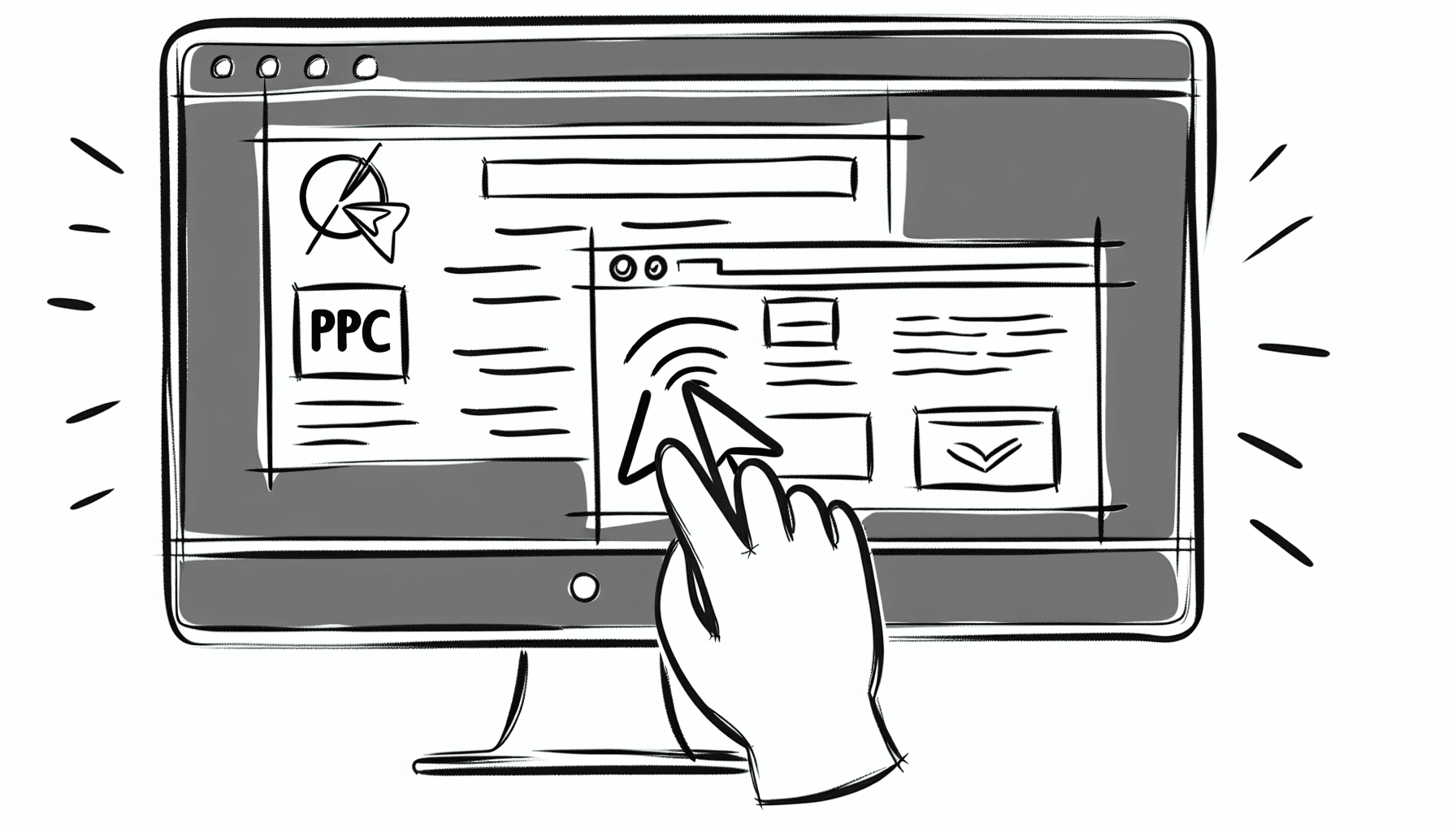
PPC landing page optimization: Maximize Conversions With Post-Click Strategy That Works
Why Your Post-Click Experience Is Losing You Customers
In the realm of digital marketing, the journey doesn’t end once a potential customer clicks on your PPC ad. The post-click experience, or the journey that follows, plays a crucial role in determining whether that click converts into a purchase or leads to abandonment. So, let’s dive into why your post-click experience might be losing you customers.
First off, if we think about it, how many times have you clicked on an ad and then been greeted with a landing page that didn’t match your expectations? This dissonance can be a major turn-off. According to recent studies, a whopping 70% of users end up abandoning a landing page due to a poor experience. That’s right, just the mismatch between the ad and the landing page content can lead to disappointment, frustration, and ultimately a lost sale.
Think about the last time you clicked on an ad. Did it lead to a seamless and enjoyable experience? Or did you find yourself scrambling to find information amidst a cluttered layout? The latter, unfortunately, is a common scenario. If your landing page is not optimized for the user’s needs, it’s akin to luring them into a store that has nothing appealing to offer. You could have the best advertisements on social media, but if your landing page does not provide a coherent and attractive experience, you’re unlikely to seal the deal.
Moreover, with so much competition out there, you really have to step up your game. It’s essential to ensure that your PPC landing page optimization is on point. This means making sure that the messaging aligns with the keyword strategy and resonates with the target audience. Each click is like a tiny window of opportunity—if that window is poorly presented, it will close faster than you think.
Furthermore, let’s consider loading times. Did you know that over 40% of users abandon a site that takes more than three seconds to load? That’s critical! In our fast-paced world, people value their time immensely. If your landing page can’t keep up, you’re not just losing one potential customer, you’re losing dozens. It’s vital to have speedily loading pages, especially since mobile users form a significant portion of the audience.
An additional aspect to ponder is the clarity of the call to action (CTA). If your CTA is vague or buried beneath too much text, users will likely feel confused and choose to backtrack instead of converting. Clear, concise, and visually-feasible CTAs can make a world of difference. It’s not just about getting clicks; it’s about fostering a sense of direction and urgency that moves users towards conversion.
In summary, ensuring a positive post-click experience is crucial for retaining customers and driving conversions. Pay close attention to the alignment between your PPC ad and the subsequent landing page, ensure quick loading times, and make CTAs clear and persuasive. After all, customer clicks are valuable—and it’s time we treated them as such!
Key Design and Copy Elements That Drive Conversions
When it comes to PPC landing page optimization, mastering the post-click experience is essential for increasing conversions. That’s why understanding the different elements that attract and retain users can make all the difference. In this article, we will dive into key design elements and copy strategies that significantly influence conversion rates.
Visual Hierarchy and Clean Design
First and foremost, visual hierarchy is crucial. A well-structured landing page directs visitors’ attention to the most important elements, such as your call-to-action (CTA). Utilizing contrasting colors for your CTA can make it stand out, while maintaining overall aesthetic harmony with the rest of the page. A clean and uncluttered layout keeps the user focused and reduces distraction, which is vital for generating conversions.
The Importance of Relevant Content
Your landing page copy must align with user intent. Ensure that the headlines are compelling and relevant to the ad that brought visitors to the page. Include clear and concise messaging that communicates the value proposition succinctly. Importantly, incorporating testimonials or trust signals can foster credibility, reassuring users that they are making the right choice.
Call to Action: The Power Play
The CTA button is arguably the most critical element of your landing page. It should be prominently displayed and easy to find. Use action-oriented words like “Get Started” or “Sign Up Now” to grasp attention. Always ensure the button’s color contrasts with the background, creating a sense of urgency.
Remember: A compelling CTA can significantly boost your conversion rates. So experiment with placement, color, and wording until you find the most effective combination.
To wrap things up, focusing on the design and copy elements of your PPC landing pages can transform user engagement and drive conversions. By prioritizing visual clarity, relevant content, and strong calls to action, you’ll not only capture attention but also retain it. Keep testing different strategies to find out what resonates best with your audience!
Lead Gen vs. Ecommerce: Tailoring Your Post-Click Funnel
In the world of digital marketing, understanding the differences between lead generation and eCommerce is crucial. Let’s be honest: it’s not just about drawing traffic but retaining potential customers through an optimized post-click experience. What’s that exactly, you ask? Well, it’s all about what happens after a user clicks on your ad. Is your landing page tailored to their specific needs? Is it converting them into leads or customers? This is where the magic happens!
Understanding the Differences
Lead generation focuses on capturing potential customer information, such as names and email addresses, with the aim of nurturing them through the sales funnel. It’s about building relationships and providing value over time. Think about it: when someone signs up for a newsletter, they’re opening a door to further engagement. However, eCommerce, on the other hand, prioritizes immediate transactions. Here, every detail of the shopping experience matters—an optimized product page, a user-friendly checkout process, and so on. Mastering the PPC landing page optimization is critical.
To put it simply, in lead gen, it’s all about earning trust, whereas in eCommerce, it’s about closing the deal quickly. It’s essential to adapt your strategies based on the unique requirements of each model. Are you providing value through informative content, or are you showcasing product benefits through testimonials and reviews? The approach must differ dramatically—what works for one, may fail miserably for the other.
-
Lead Gen: -
eCommerce:
- Capture leads with valuable content and strategic email campaigns.
- Focus on quick conversions through enticing product displays and streamlined checkouts.
- Utilize analytics to refine both processes perpetually.
Understanding these differences allows for optimizing your post-click funnel effectively. Tailoring your approach increases both lead acquisition and sales conversions.
The beauty of mastering the post-click funnel lies in the flexibility it offers. You can adjust your strategies based on market demands and consumer behavior. This adaptability is key to standing out in a competitive landscape.
Neglecting the specifics of either approach may lead to wasted resources and missed opportunities. Stay attuned to what your audience values.
In conclusion, tailoring your post-click funnel requires understanding the unique aspects of lead generation and eCommerce. While they share overlapping objectives, the methods of engagement vastly differ.
Final Touches: Building Long-Term Success Through Post-Conversion Flow
In the world of digital marketing, achieving success with PPC campaigns is often likened to brewing the perfect cup of coffee. It’s not just about selecting the right beans (keywords) or brewing temperature (bid strategy). The real magic happens when you focus on the post-click experience. **The post-conversion flow** is like the cream that elevates your coffee, bringing out the nuances in flavor and ensuring a delightful experience. Mastering this aspect can unlock your PPC campaigns’ true potential, drive better conversions, and foster long-term customer loyalty.
The post-conversion flow not only involves optimizing landing pages but also extending the journey post-conversion. After a user has clicked through your PPC ad and landed on your page, the goal is to guide them seamlessly further along the funnel. This involves creating a coherent post-click experience that leads them toward additional actions, whether that’s making a repeat purchase, signing up for a newsletter, or engaging with top-notch content. It’s about crafting a narrative that resonates with your audience and aligns with their journey.
“The key to a successful post-conversion strategy is maintaining the momentum from the first click. It’s about nurturing relationships, not just focusing on one-off sales.”
To enhance long-term success through your post-conversion flow, consider these actionable strategies: First, personalize the follow-up communication. A simple thank-you email can do wonders; however, tailoring messages to the customer’s previous interactions and preferences creates a warm and friendly environment. Also, utilize segmentation strategies to ensure that your marketing efforts resonate with various customer demographics and their unique behaviors.
To summarize, mastering the post-conversion flow is essential for optimizing PPC landing page experience. It extends beyond the initial conversion and seeks to build lasting relationships. Remember, every interaction counts!
Questions & Answers:
What is PPC landing page optimization?
PPC landing page optimization refers to the process of improving landing pages to increase conversion rates from PPC campaigns.
Why is it important?
It’s essential because it influences the effectiveness of your ad spend, the potential for customer retention, and ultimately your bottom line.
#PPC #LandingPageOptimization #PostConversionFlow #CustomerRetention #DigitalMarketing