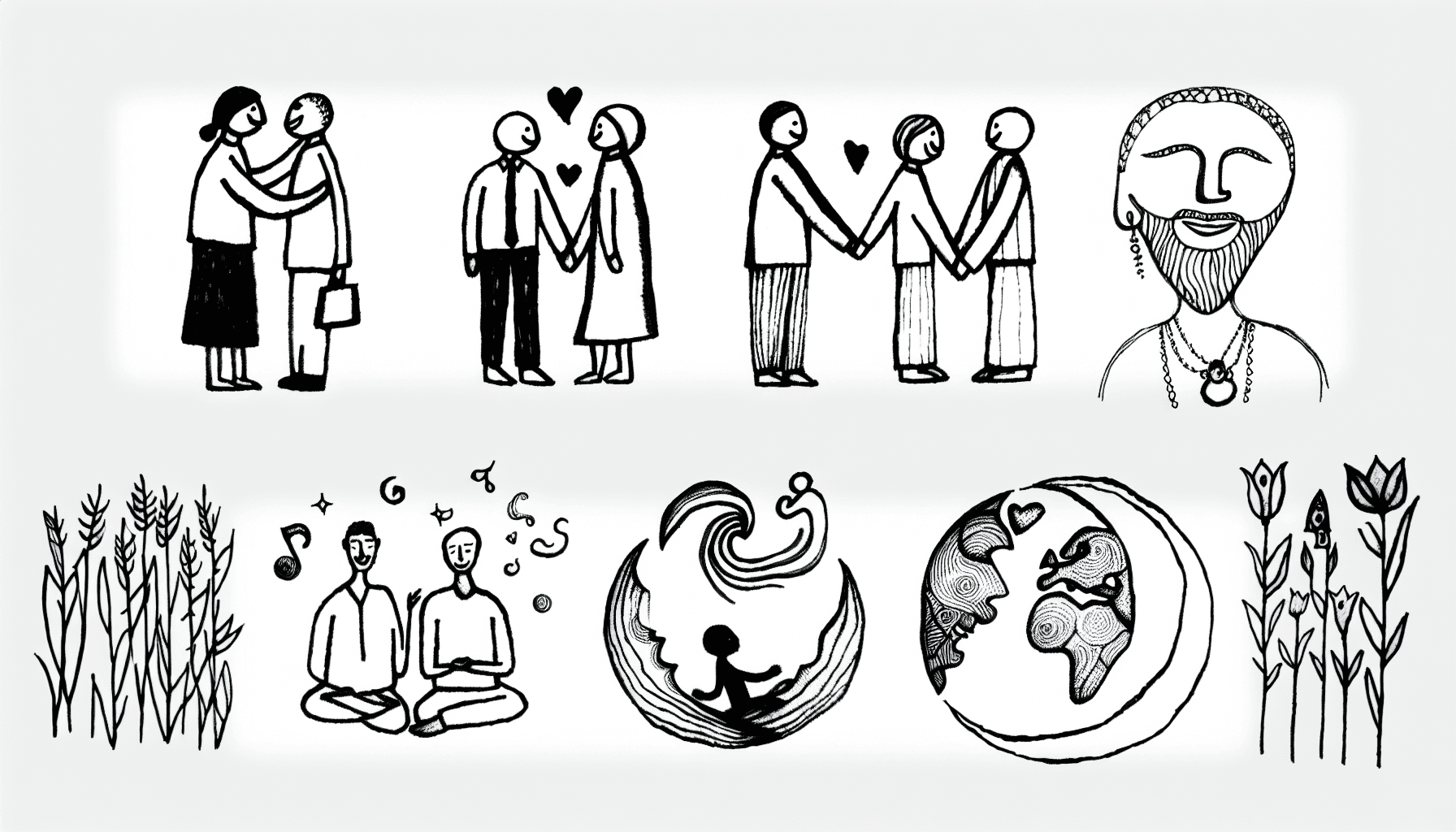
Types of Love You’ll Actually Experience in Real Life—And Why They Matter
The Real Psychology Behind Different Types of Love
Have you ever stopped to think about how many different types of love we experience throughout our lives? Sometimes, it feels like love can mean everything from a warm hug from your grandma to that dizzying feeling you get when you first fall for someone. Let’s dive into the real psychology behind love, shall we? You see, there are various perspectives on love, and they often depend on our experiences, background, and cultures.
So, why does understanding the psychology of love matter? For one, it helps us navigate those complex feelings and relationships better. Think about it: our experiences with love can shape our identities. Whether it’s romantic love, platonic friendship, or familial love, each form has its own unique psychological impacts and can elicit different emotional responses.
Moreover, recognizing the layers and complexities of love can provide us with insights on what we need at different stages of our lives. This knowledge can also guide our interactions, helping us express love in healthier ways, whether with a partner, friend, or family member. Perhaps that’s why love is often referred to as a universal language—it transcends boundaries and connects the humanity we all share.
The concept of love spans across cultures, each presenting its own unique interpretations and practices surrounding love. For instance, in many Western cultures, love is typically viewed as passionate and romantic, often idealized in movies and literature. On the other hand, many Eastern cultures emphasize familial love and community relationships. This variation fascinates me, as it reminds us that love is not a one-size-fits-all emotion; it can shift and change depending on our societal frameworks.
In my personal experience, I have learned that love also comes with a paradox; it can be incredibly healing for some and deeply painful for others. For instance, unrequited love can lead to a profound sense of loss, while the love we share with close friends can lift our spirits during tough times. Understanding these contrasting experiences is crucial for our emotional well-being.
As I reflect on the types of love I’ve experienced so far, I realize there are those special moments that stand out. Whether it’s laughing with friends that feel like family, or that breathtaking moment shared with a partner under the stars, these instances define our lives and ultimately mold us into who we become. What’s even more captivating is how love evolves over time, changing shape as we grow, face challenges, and learn more about ourselves and each other.
So, in conclusion, the psychology behind love is vast and intricate. It touches upon various aspects of our lives and nurtures our personal growth. Understanding the different types of love is not only empowering, but it also fosters empathy and communication within our relationships. By embracing love in all its forms, we not only enrich our own lives but the lives of those around us as well.
How Culture and Society Shape Your Love Experiences
Love is a complex emotion, reflecting a spectrum of experiences that are significantly influenced by our cultural and societal backgrounds. The types of love we encounter do not exist in a vacuum; rather, they are colored by the norms, values, and expectations of the society we grow up in. For instance, in more collectivistic cultures, love might be viewed through the lens of family and community ties. Here, the concept of love may intertwine with duty and responsibility, leading to relationships that are often governed by familial obligations rather than purely personal desire. On the other hand, in individualistic societies, love often emphasizes personal fulfillment and emotional satisfaction, valuing the individual’s feelings and autonomy.
This difference in perspective is a crucial element in understanding how love is expressed and experienced globally. In cultures that prioritize romantic love, such as many Western societies, there’s often an emphasis on personal choice, emotional connection, and physical attraction. Romantic love is celebrated and portrayed as the ultimate goal, while platonic and familial bonds might take a backseat. However, in several Eastern cultures, the importance of familial love and social duty can dictate how romantic relationships function, often prioritizing union over individual preference. This interplay leads to distinct expectations in relationships, which can either enrich or complicate experiences of love. Therefore, understanding the societal backdrop can offer profound insights into the dynamics of love, shaping not only how we connect with others but also how we perceive ourselves within those relationships.
Why Some Types of Love Hurt—And Others Heal
Love is one of the most profound emotions we experience, shaping our identities and influencing our choices. But have you ever noticed how some types of love can leave us feeling elated while others can cause deep pain? It’s a complex landscape, and it’s crucial to explore the different types of love we encounter and understand their emotional impacts.
Understanding the Dual Nature of Love
You see, love isn’t just a single concept; it encompasses a whole spectrum of feelings. From platonic love, which is deeply rooted in friendship, to intense romantic passion, each type has its unique flavor and consequence.
Some forms of love can lead to deep emotional scars, particularly romantic relationships fraught with jealousy or betrayal.
When Love Hurts
It’s often said that love is about vulnerability, but this very vulnerability can lead to feelings of betrayal and hurt. Perhaps you experienced a breakup that left you shattered. The ending of a relationship can be much like losing a part of yourself. This pain, however, can act as a catalyst for growth. The heartache might help us build resilience, fostering self-discovery and ultimately leading to healthier love in the future.
Healing Through Love
On the flip side, some types of love can heal us. Consider the unconditional support of a close friend or family member. They lift you up in your darkest moments, proving that love isn’t always about passion; it’s also about steadfast support and understanding. This kind of love helps you regain your confidence and self-worth, reinforcing that you are never truly alone.
Types of Love: A Closer Look
-
Platonic Love: A deep friendship without romantic intentions. -
Romantic Love: The intense feelings that come with attraction and desire. -
Familial Love: The bond shared among family members, often tied to loyalty and unconditional support.
As we navigate through life, these types of love shape who we are. Each experience teaches us valuable lessons about ourselves, helping us to become more empathetic and understanding individuals.
Ultimately, understanding the dynamics of love can empower us to choose healthier relationships, equipped with the knowledge that both pain and healing play vital roles in our emotional journeys.
Understanding Love’s Timeline: What to Expect at Every Age
Have you ever wondered how love evolves as we journey through life? Seriously, the kinds of love we experience change drastically from our childhood to adulthood, making each stage unique and valuable in its own right. In this post, we will delve into the real types of love that many of us encounter and how these forms shape our identities at various ages.
Childhood: Innocent Affection
In our formative years, love often manifests as innocent affection. We see it in playful friendships, the unwavering loyalty of a childhood buddy, or the comfort of family hugs. These bonds teach us about empathy, trust, and care. It’s interesting to reflect on how these early experiences lay the groundwork for emotional connections later in life. When I think back to my childhood, I can still vividly remember the pure joy of those simple friendships.
Teenage Years: Passionate Discoveries
As we transition into our teenage years, the concept of love becomes more complex. It’s during this time that we often delve into romantic love, and our experiences can range from exhilarating crushes to heartfelt relationships. The feelings can be intense, sometimes overwhelming, and let’s be honest—it can also be a rollercoaster of emotions! I remember my first serious crush and how deeply it affected me. Those experiences, no matter how painful they might have been at the time, teach us about intimacy, boundaries, and personal growth.
Adulthood: Diverse Connections
Entering adulthood, we begin to understand the diverse types of love that coexist in our lives. From romantic partnerships that may lead to lifelong commitments to friendships that become our chosen family, the dynamics of love shift significantly. Not to mention, the love we cultivate through work and community involvement can also enrich our experience. We find ourselves navigating through different types of love that fuel our passions and motivate our purpose. Reflecting on these various relationships can help us understand how intertwined our lives are and how they shape us.
Questions & Answers about Love’s Types
Ever wondered if some types of love impact us more than others? Well, it’s all about the depth of connection and personal experiences in each relationship.
The Answer
Absolutely! Each form of love teaches us life lessons that are essential for personal growth. Embrace the love you experience; it all matters in shaping who you are.
In conclusion, love is a multifaceted journey that evolves through various stages of our lives. Each type of love presents us with unique opportunities for growth and self-discovery. So, embrace the love you encounter in all its forms. It is the fabric that weaves together our existence.
#love,#typesoflove,#lifesjourney,#personaldevelopment,#growth