Soil Blocking: The Eco-Smart Seed Starting Method Gardeners Love in 2025
What Is Soil Blocking and Why It Works Better Than Plastic Trays
Soil blocking is an innovative method of starting seeds that eliminates the need for plastic trays. Instead, it involves compressing soil into blocks that allow for better air and moisture circulation, promoting healthier root growth. This method has gained popularity among gardeners because it not only fosters stronger seedlings but also contributes significantly to environmental sustainability. By reducing plastic waste, soil blocking aligns perfectly with the growing trend of environmentally conscious gardening.
One of the primary advantages of soil blocking is how it encourages root development. Seedlings grown in blocks tend to establish deeper root systems more effectively than those which grow in traditional plastic trays. This is because the root systems can naturally grow through the porous sides of the blocks, preventing the common phenomenon known as ‘root binding’ that frequently occurs in plastic containers. When roots hit the side of a plastic tray, they often curl back, leading to plants that are not as robust.
Moreover, soil blocks can encourage a quicker germination process. The consistent moisture and air circulation around each block help seedlings to thrive right from the start. This results in a higher germination rate and subsequently, healthier plants that can better withstand pests and diseases.
In addition, soil blocking is incredibly versatile. Not only can it be used for various types of seedlings, from vegetables to flowers, but it also allows for easy transportation. The compact size of the blocks makes it simple to move them around your garden or greenhouse without risking damage to delicate plants.
Why Choose Soil Blocking Over Traditional Methods?
The benefits of soil blocking extend beyond just the health of plants. By choosing this method, gardeners can significantly reduce their reliance on plastic products, which are notorious for their negative impact on the environment. According to a 2021 report from the World Wildlife Fund, nearly 8 million tons of plastic waste end up in the oceans each year, harming marine wildlife and degrading ecosystems.
By opting for soil blocks, not only do you foster healthier plants, but you also participate in a broader movement toward sustainable gardening practices. As we move into 2025, the demand for eco-friendly methods is increasingly becoming a priority for gardeners worldwide. The soil blocking method perfectly aligns with this mindset, making it a wise choice for environmentally conscious individuals.
To effectively start using soil blocking, it’s essential to have the right tools and techniques in place, which will be covered in the subsequent sections of this guide. As we dive deeper into the specifics, let’s keep in mind that adopting practices like soil blocking can be rewarding not only for our plants but for our planet as well.
How to Choose the Right Soil Mix for Stronger Seedlings
Starting seedlings can be an exhilarating yet challenging journey for many gardeners. The right soil mix is essential for ensuring that your baby plants have the nutrients and structure they need to develop strong roots and grow into healthy adults. You might find that there are a multitude of different soil mixes available, but don’t worry, I’ve got you covered! In this guide, I’ll walk you through the key factors to consider when selecting a soil mix, especially if you’re interested in the soil blocking method. Trust me, the right soil can make a world of difference!
Understanding Soil Components
Firstly, let’s break down the essential components of a good soil mix. Generally, a great seed starting mix includes a combination of:
-
Peat moss: This is a lightweight material that helps retain moisture while providing a good structure for roots to grow. -
Coconut coir: An eco-friendly alternative to peat moss, coconut coir is great for maintaining the structure and moisture balance. -
Perlite or vermiculite: These fluffy materials help aerate the soil and ensure that it drains well, preventing root rot.
Nutrient Considerations
Next, it’s crucial to ensure that your seedlings receive adequate nutrients during their early growth stages. Most pre-packaged mixes can be a bit shy on nutrients, so adding a slow-release organic fertilizer or even worm castings can give your plants the boost they need. A good rule of thumb is to follow the manufacturer’s recommendations and ensure the fertilizer is labeled for seed starting.
Cautions to Keep in Mind
Always ensure that your soil is free from pests and diseases, as these can severely inhibit plant growth. Store-bought mixes often come sterile, but if you’re mixing your own, ensure it is correctly composted and aged.
In conclusion, choosing the right soil mix might seem like a simple task, but it holds the key to your success as a gardener. With the right ingredients—peat moss or coconut coir for moisture retention, perlite for aeration, and a little added nourishment—you can set your seedlings on a path to healthy growth. So roll up your sleeves, and let’s get planting!
Essential Tools and Techniques for Perfect Soil Blocks
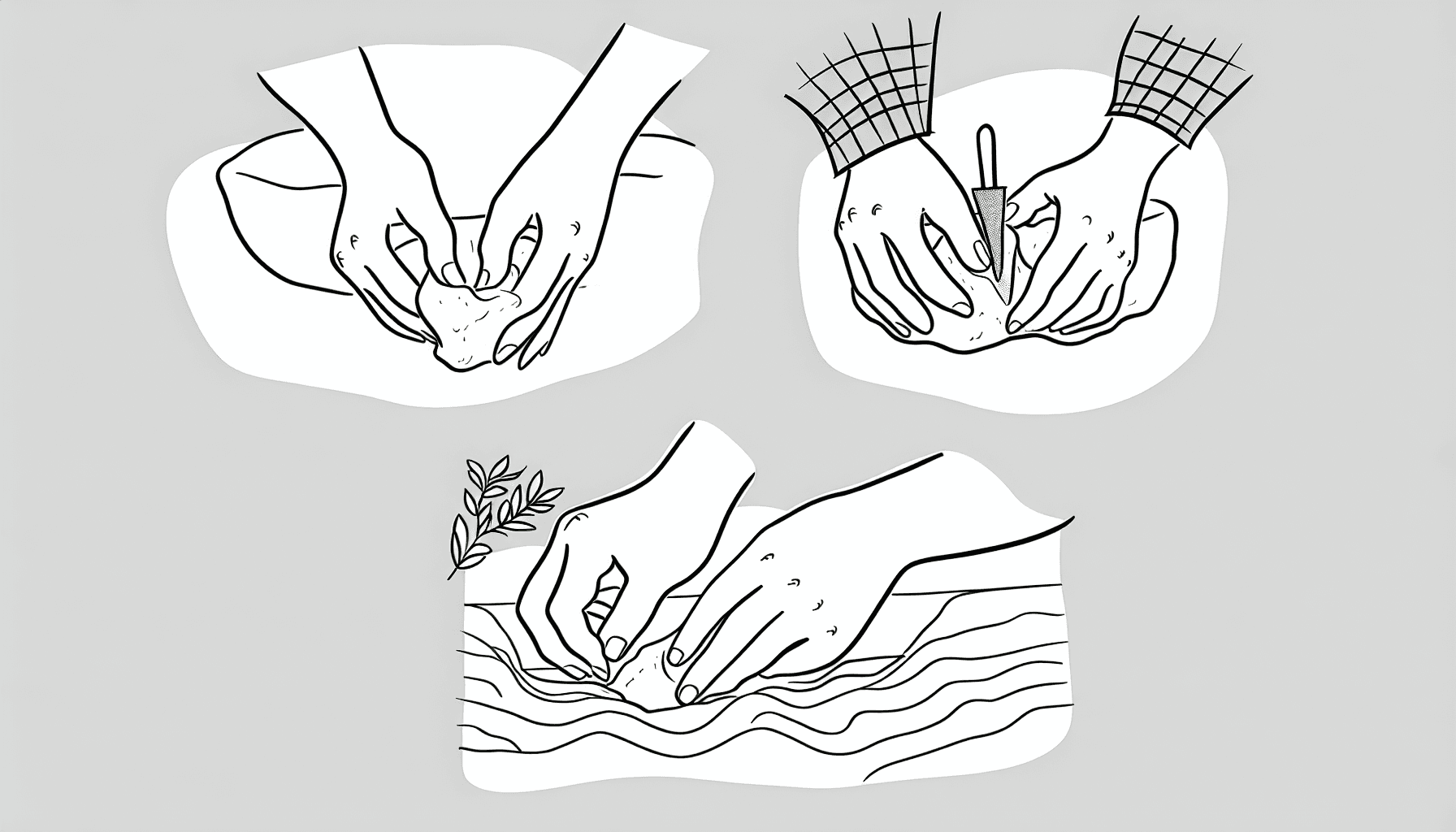
Have you ever thought about the tools you need for soil blocking? If you’re thinking about moving to this sustainable method for seed starting, you’re in for a treat! I mean, who doesn’t want a thriving garden while being eco-friendly? Seriously, soil blocking is becoming more popular among gardeners as we approach 2025. The benefits are numerous, not to mention it’s a fun and engaging process!
To start off with soil blocking, you really need to have the right tools. First things first, you’ll need a soil blocker. Whether you choose a single blocker or a multi-blocker will depend on how many seedlings you’re planning to grow. I started with a single blocker because, honestly, it felt less intimidating. Over time, I upgraded to a three-blocker because, let’s face it, more is better! Next, you’ll need quality soil mix specifically designed for seed starting. This isn’t just any dirt from your backyard; you want something that retains moisture without becoming soggy.
One of the most significant advantages of using soil blocks is that they allow the seedlings to develop strong root systems. With that said, a nourishing environment is crucial. So, make sure you have some kind of fertilizer handy. Nutrients make all the difference! And let’s not forget about a good mister to keep your seedlings adequately hydrated. It’s one thing to sow seeds and wait for them to pop up, but it’s another to ensure they’re getting what they need to grow healthy and strong. Mistakes are inevitable; I personally over-watered mine once, and the results? Well, very sad seedlings. So, learn from my mistake!
**Tip**: Keeping track of your seeds is vital. A simple labeling system can save you a lot of headaches later. You want to remember what’s what, especially when they begin to sprout and look similar. Use plant markers and keep a journal of your planting dates and varieties. It’ll help you monitor growth and make notes for future planting seasons. Prepare to dive into a fun and rewarding adventure with soil blocking that saves our planet from excessive plastics while you’re at it. Enjoy the journey!
Maximize Growth: Final Setup and Planting Success Tips
Are you ready to give your garden the best chances for success? Soil blocking is the eco-smart method that is gaining popularity in 2025. It not only reduces plastic waste but also encourages healthier root growth. Before diving into the planting process, let’s set the stage properly to ensure our seedlings thrive.
Preparation is Key
First and foremost, prepare your workspace. Having everything organized and within reach will make the process smoother and less chaotic. Here’s a quick checklist to follow:
Planting Techniques
Once everything is set up, the actual planting comes next. It’s crucial to follow some best practices to maximize growth:
Below are a few essential techniques to consider:
-
Moisten the soil blocks before planting seeds -
Plant seeds at the recommended depth -
Provide adequate but gentle moisture during germination
Post-Planting Care
Once the seeds are planted, monitoring their progress becomes essential. Regularly check for moisture and light exposure. Use a light source if necessary, especially in early spring. Pay attention to potential pests and take action promptly to ensure healthy growth.
Soil Blocking: The Eco-Smart Seed Starting Method Gardeners Love in 2025
Why is soil blocking becoming popular?
Soil blocking provides a sustainable way to start seeds while promoting better root structure. This method allows for better airflow and less transplant shock.
How do I get started with soil blocking?
Begin with setting up your workspace and then gather the right supplies. Once you have the soil mix ready, you can create blocks and plant your seeds.
Maximizing your growth potential through proper setup and planting techniques will ensure that your hard work pays off. With the eco-friendly methods such as soil blocking, we’re not just helping our gardens, but also taking care of the planet.
#SoilBlocking, #SeedStarting, #EcoFriendly, #Gardening, #PlantingSuccess