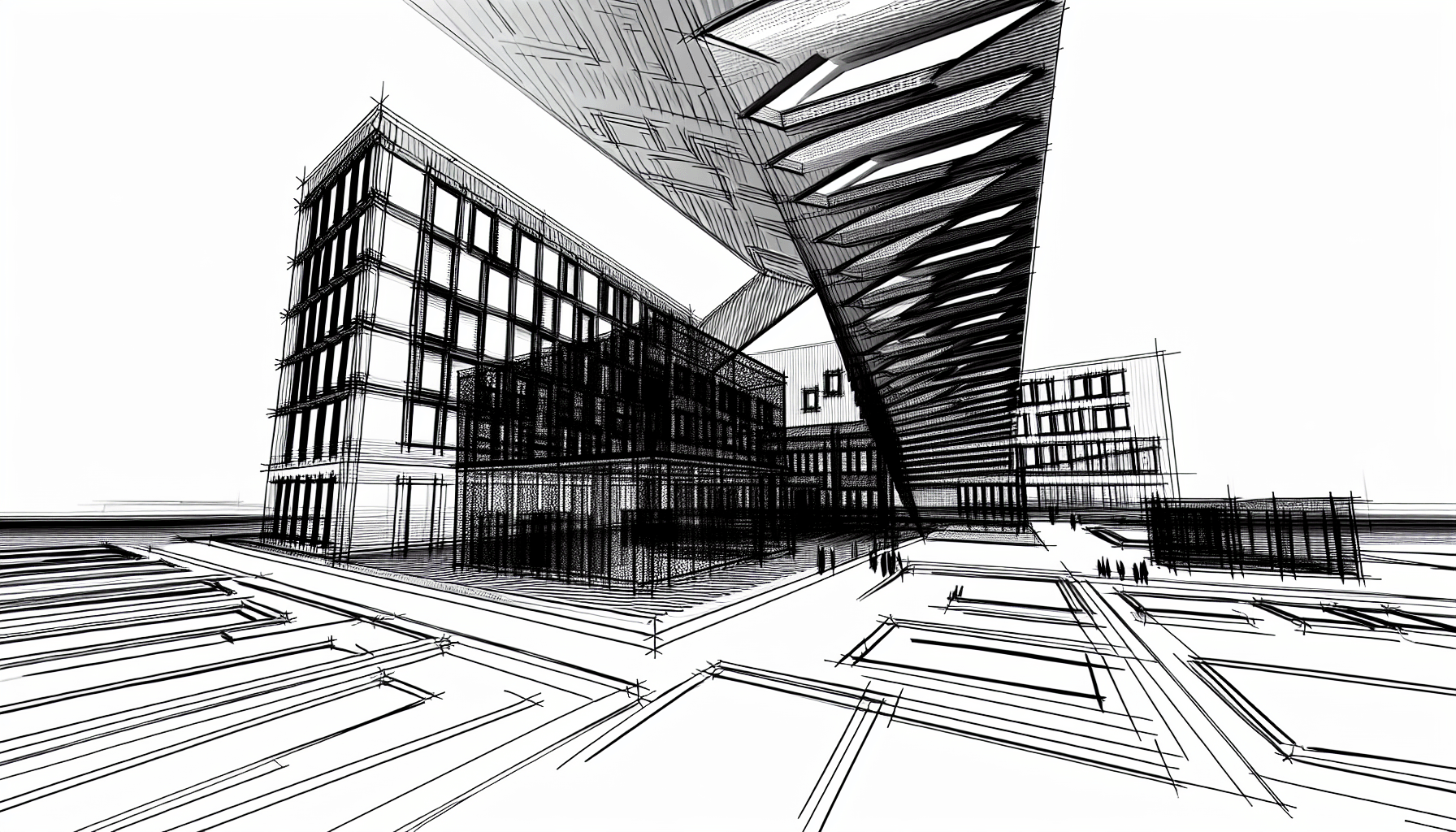
monochrome architecture trends 2025: Why Our Cities Are Turning Grey and What It Means for Design
The Rise of Monochrome Aesthetics in Architecture
Understanding Monochrome Aesthetics
The rise of monochrome aesthetics in architecture reflects a broader societal shift towards simplicity, minimalism, and sustainability. As urban spaces become increasingly cluttered, architects are gravitating towards a palette dominated by greys, whites, and blacks. This trend is not merely an aesthetic choice but is influenced by various factors including environmental considerations and economic pressures.
A major driving force behind the adoption of monochrome architecture is the demand for low-maintenance buildings. This trend is particularly relevant in urban areas where maintenance costs can escalate quickly. Monochrome materials, such as concrete and steel, not only offer durability but also require less upkeep in the long run.
-
Cities are adapting to monochrome aesthetics. -
Sustainability efforts are influencing design.
Notably, the trend towards monochrome architecture can also be seen as a result of the psychological effects of color. In urban design, research has shown that neutral palettes can create a sense of tranquility amidst the chaos of city life. By utilizing a monochrome approach, architects aim to foster a feeling of calm and stability in public spaces.
“Design isn’t just what it looks like and feels like. Design is how it works.” – Steve Jobs
As we move towards 2025, we can expect to see more buildings embracing this monochrome aesthetic. However, this does not imply the complete absence of color; rather it signals a shift in how color is integrated into architecture. The future will likely see a careful balance between monochrome and vibrant elements, creating spaces that are aesthetically pleasing and functionally effective.
Ultimately, the rise of monochrome aesthetics in architecture represents a complex interplay of social, environmental, and economic factors. As we prepare for the architectural trends of 2025, embracing this monochrome simplicity while thoughtfully reintroducing color could lead to innovative designs that resonate with our needs and personalities in urban environments.
Material Limitations and Economic Pressures Shaping Color Choices
As we move into 2025, a striking monochrome architecture trend is taking shape. The architectural landscape is evolving to embrace a greyscale aesthetic, which could stem from several underlying factors, notably material limitations and economic constraints. Let’s unpack what this means.
Firstly, the choice of materials plays a pivotal role in architectural design. With sustainable practices becoming a priority, architects are exploring materials that are not only eco-friendly but also affordable. Sometimes, it appears that aesthetic options are sacrificed in the pursuit of sustainability. The push towards using recycled or renewable materials can lead to more muted palettes as vibrant pigments may not always be a viable option. Furthermore, many manufacturers focus on producing materials in neutral colors, which aligns with a less wasteful and more minimalist approach. This inclination toward greyscale can signify a broader societal acceptance of these realities. Architects are finding themselves in a position where they need to innovate within these boundaries.
Economic pressures also weigh heavily on color choices in architecture. Increased material costs have led to tighter budgets, pushing designers to opt for monochrome designs that are easier to implement and maintain. Consider the rising cost of living and how it affects everything, including construction. Buildings made with fewer colors can also streamline the construction process, minimizing labor and material waste. In an era where efficiency and cost-effectiveness are paramount, adhering to a monochrome scheme presents a pragmatic advantage.
Interestingly, amid these challenges, there’s a growing desire to see the return of color in architecture. Despite economic constraints pushing towards greyscale aesthetics, people still crave vibrancy and personality in their environments. The allure of color in buildings often brings comfort and joy, creating spaces that resonate emotionally with their inhabitants.
In conclusion, the ongoing evolution of architectural aesthetics towards a monochrome palette in 2025 is influenced by material limitations and economic pressures. However, this does not entirely erase the desire for creativity and color in architecture. The future may hold a balance where architects can navigate these limitations while still incorporating vibrant elements into their designs. A potential shift could lead to innovative uses of color that embrace the sustainability ethos without compromising on artistic expression.
Social Media, Psychology, and the Demand for Colorful Spaces
Have you ever noticed how our surroundings can impact our mood? It’s fascinating to think about, especially as we shift towards a monochrome architecture trends 2025. With urban landscapes becoming increasingly grey and muted, social media’s role in influencing our environments and perceptions cannot be overlooked.
In the age of Instagram and Pinterest, we are continuously bombarded with images of vibrant and colorful places that seem to demand our attention. The question arises: why do we crave these colorful spaces? Psychology plays a significant role, as colors are known to affect human emotions and behaviors. Bright colors can evoke feelings of happiness and creativity, while muted tones can lead to a more subdued emotional state. As architects and designers respond to these psychological cues, they can either contribute to the uplifting nature of our spaces or, conversely, reinforce feelings of monotony.
Therefore, as we navigate the future of design, it’s crucial to balance the demand for dramatic colorful expressions with the minimalist trends gaining traction. The challenge lies not in rejecting monochrome aesthetics but in thoughtfully incorporating splashes of color to create engaging environments. By doing so, we can ensure that our living and working spaces reflect the joy and creativity that we’re all eager to explore in today’s vibrant digital world.
Reclaiming Vibrancy: How Architects Can Reintroduce Color Thoughtfully
The world of architecture is experiencing a notable shift towards **monochrome architecture trends 2025**. As we look ahead to the coming years, it becomes increasingly essential for architects and designers to think critically about the integration of color in their work. Color is not merely an aesthetic choice; it serves as a fundamental aspect of how we perceive and interact with our built environment. In a society that often leans towards muted palettes, there lies an opportunity to embrace and celebrate color in a way that enhances our spaces.
Understanding the Importance of Color
Color plays a vital role in human psychology, influencing our emotions and behaviors. It has the potential to make a space feel more inviting, energetic, or serene. Designers should reflect on how different colors affect mood and create an enriching atmosphere. While muted tones may convey sophistication, a well-placed burst of color can evoke feelings of creativity and inspiration. Therefore, incorporating various colors into architectural designs can enhance engagement with the environment.
Designers can begin this journey by understanding color theory and its application in architecture. Emphasizing a collaborative approach with clients, stakeholders, and communities can lead to designs that resonate deeply with those who inhabit them.
Exploring Case Studies
As we observe successful examples of vibrant architecture, such as the colorful neighborhoods in **Barcelona** or the lively streets of **Copenhagen**, it becomes clear that a harmonious balance can be achieved. Architects can adopt innovative ways to blend colors while ensuring that they serve a purpose within the design context. This approach not only beautifies spaces but also provides a sense of identity and community connection.
The *falafel spot in the heart of Tel Aviv*, known for its radiant tiled facade, integrates color in a manner that reflects its vibrant urban surroundings. Such territories illustrate a successful reintroduction of color, fostering community interaction.
Moving Forward with Intent
As we pave the way for the architecture of the future, intentionality must guide our use of color. Architects should ensure that colors they incorporate resonate with the surroundings and community. It isn’t just about aesthetics; it’s about identity and emotional connection to the place. By thoughtfully blending colors, architects can create spaces that not only look great but also feel great to those who inhabit them. The future of design lies in the hands of creators who understand the power of color and its vital role in enriching our built environment.
Q&A: What does the shift towards monochrome architecture trends mean for the role of vibrant colors in design?
A: The shift towards monochrome architecture can sometimes lead to a detachment from human experiences. Vibrant colors, when thoughtfully reintroduced, can create spaces that reflect personal and cultural identities, enriching the architectural narrative.
In closing, how can architects embrace color depth?
Architects can embrace color depth by engaging with the community and understanding cultural influences. Collaboration with local artists or color theorists can also lead to innovative approaches that respect regional identities while infusing vibrancy into the space.
Continue to explore on .
#architecture #color #design #vibrancy #monochrome