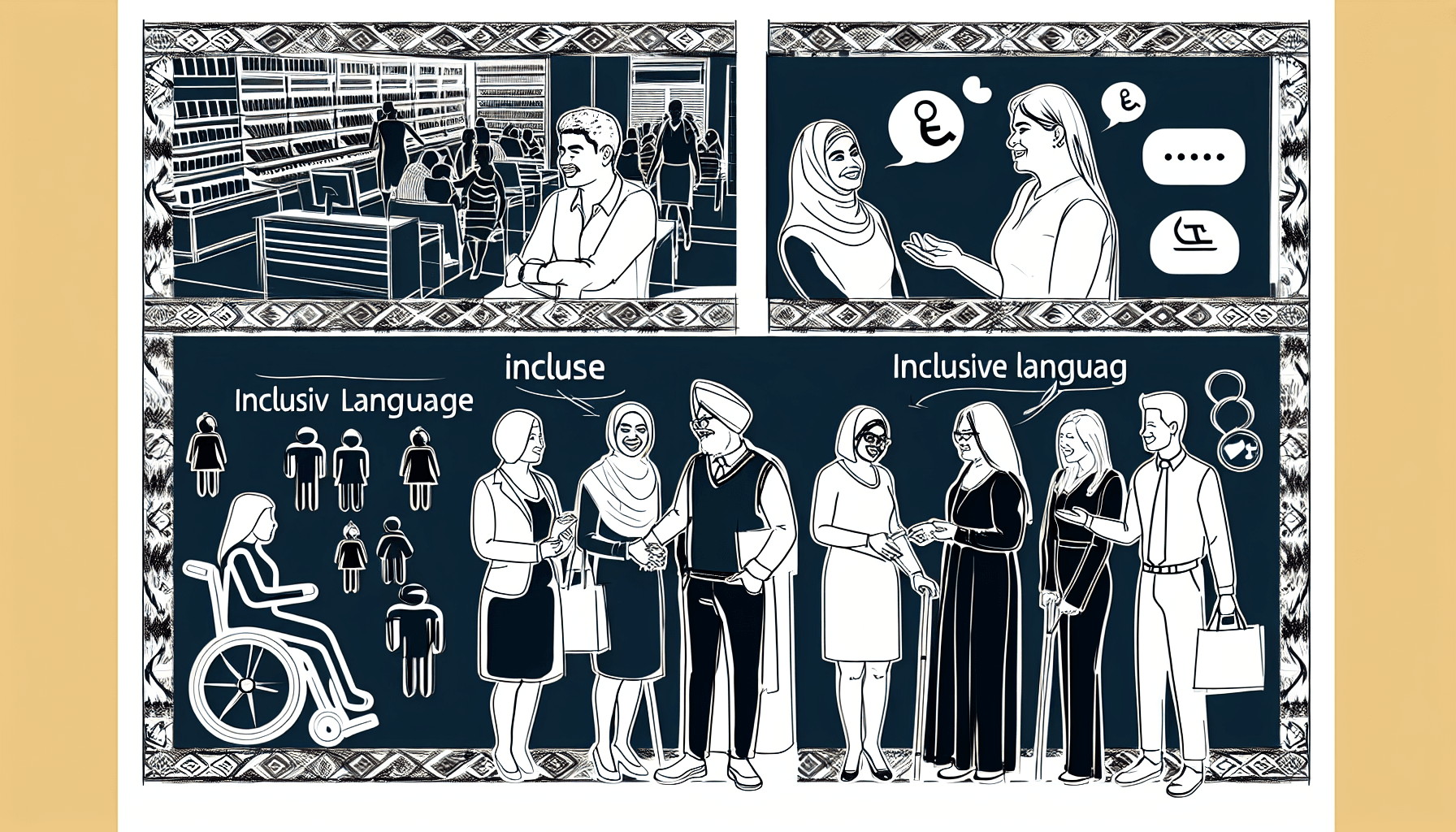
inclusive language in retail: Why B&Q’s New Staff Guide Is Sparking a Cultural Shift
Understanding Inclusive Language in the Retail Workplace
Have you ever walked into a retail store and felt like you didn’t belong? It’s a real issue, especially for marginalized communities. Inclusive language is crucial for creating a welcoming atmosphere in retail environments. This type of language encourages respect and acceptance among diverse groups of people. It’s not just a trend; it’s becoming a necessity in today’s global marketplace.
The concept of inclusive language in retail goes beyond merely inserting gender-neutral terms into our conversations. It’s about reshaping our entire communication approach. This involves understanding our biases and actively working to replace outdated phrases that can alienate customers. It means being conscious of how our words can foster inclusivity rather than exclusion.
B&Q, a leading home improvement retailer, has recently taken steps to adopt inclusive language in their workplace. Their initiative aims to challenge common phrases and stereotypes that have persisted in the industry. Recognizing that the language we use has power, they are spearheading a cultural shift that emphasizes the importance of being inclusive not just in actions but also in words. It’s a bold move that sets a precedent for others, demonstrating that language can be a powerful tool for change.
Furthermore, LGBTQ+ inclusion is another vital aspect of using inclusive language in the retail sector. It reflects corporate responsibility and sets an example for other businesses to follow. Brands that embrace inclusivity stand to gain not only a more loyal customer base but also enhance their corporate reputation. Inclusivity is good for business, as it builds trust and allows for deeper connections with customers.
As we peer into the future of retail, one thing is clear: inclusive communication matters. Brands that invest in this initiative are more likely to thrive in an increasingly competitive landscape. Consumers are becoming more aware and demanding, pushing for changes that align with their values. In this way, effective communication can become a differentiation point for brands, making it essential for them to remain relevant and appealing.
How B&Q’s Guide Challenges Common Phrases and Stereotypes
Have you ever found yourself caught off guard by the language being used around you in retail? The words we choose can have a significant impact on the way we feel about one another, particularly in a diverse workspace. B&Q, the UK-based DIY and home improvement retailer, is taking bold steps to address this challenge by introducing an inclusive language guide for their staff. This guide aims to minimize the use of offensive terms while fostering greater acceptance and inclusion of LGBTQ+ communities within their workforce.
Many people may not realize how easily common phrases can perpetuate stereotypes. B&Q’s initiative is not just about replacing words; it’s about challenging the habitual use of language that often alienates individuals based on their identity. When we think about inclusive language in retail, what comes to mind? It’s the simple act of considering others in our everyday communication, whether that’s in stores, on marketing materials, or even in casual conversations among staff.
A move like this sends a powerful message across the industry: that organizations can lead the way in promoting a culture of respect and inclusivity. While some might argue that altering language is unnecessary political correctness, the truth is that words hold immense power. They can inspire solidarity or sow division, depending on how they are used. By actively working to substitute outdated or harmful terms with more inclusive alternatives, B&Q is establishing itself as a pioneer in the retail industry.
Furthermore, industry response has been quite positive as other retailers observe B&Q’s initiative. Many have begun to rethink their own language policies, understanding the importance of fostering an inclusive environment. In a world where societal norms are rapidly evolving, staying abreast of language preferences is not just considerate but a vital aspect of corporate responsibility. As B&Q leads the charge, it challenges others to follow suit, encouraging a movement of changing hearts and minds through the simple yet impactful choice of words.
“Language matters. It’s not just about words; it’s about how we make people feel.” – B&Q Representative
As we navigate this new terrain, it’s crucial to recognize that language is fluid; it evolves with our understanding of each other. A guide like the one provided by B&Q not only sets a standard within the company but also serves as a reminder that we all play a role in shaping our linguistic landscape. Whether we’re addressing customers or each other, every conversation is an opportunity to cultivate respect and understanding.
In conclusion, B&Q’s inclusive language guide is not merely a step forward for their company but a potential catalyst for change across the retail industry. It’s an invitation for us all to examine our own language, to reflect on the common phrases and stereotypes we’ve become accustomed to, and to commit to creating a more inclusive dialogue in every aspect of our lives. In a world that increasingly values diversity and inclusion, language is the bridge that can either connect or divide us.
LGBTQ+ Inclusion and the Role of Corporate Responsibility
When we think of corporate responsibility, one name that often comes to mind is B&Q. Recently, the well-known retail giant made headlines by introducing an inclusive language guide aimed at fostering a more welcoming environment for its employees, particularly those who identify as LGBTQ+. This initiative is a significant step in recognizing the importance of language in our everyday interactions and its power to either include or alienate individuals.
For many people, the words we use shape our perceptions and interactions. Language has the ability to include or exclude, to affirm identities or to invalidate them. Unfortunately, many terms commonly used in the workplace can inadvertently perpetuate stereotypes or create an unwelcoming atmosphere. B&Q’s guide challenges these common phrases by suggesting alternatives that are more inclusive. This practice is not just about being politically correct; it is about being respectful and understanding of the diversity that exists within our society.
As the retail industry continues to evolve, it becomes increasingly important for companies to adopt policies that reflect their commitment to diversity and inclusion. Brands like B&Q are setting an example by recognizing that they have a responsibility towards their employees and customers. By implementing inclusive practices, they are paving the way for a future where everyone feels safe and valued in their workplace. This is not just beneficial for employees—customers are more likely to support brands that actively promote inclusivity and social responsibility. In turn, this can lead to enhanced brand loyalty and a positive company image.
To truly appreciate the impact of inclusive language, we should consider the broader implications it has on industry standards. When leading companies implement such initiatives, it has a ripple effect, encouraging other businesses to follow suit. For instance, larger organizations, like Unilever and Walmart, have also embarked on similar journeys, embedding inclusive practices into their core values. This shift could transform the entire retail landscape, prompting a move towards more inclusive cultures that prioritize the well-being of all employees. It’s a long journey, but the actions taken today are undoubtedly setting the course for a more equitable tomorrow.
Why Inclusive Communication Matters for the Future of Retail
In a world that is becoming increasingly diverse, the need for inclusive communication in retail has never been more important. You might wonder why it matters, especially in a space as structured as retail. Well, first off, it’s not just about avoiding offensive language. Inclusive communication is about ensuring that every customer feels valued and represented. This has enormous implications for customer loyalty, brand perception, and ultimately, sales.
Now, let’s get into some numbers. Studies have shown that companies that embrace inclusivity see a 25% increase in customer retention compared to those that don’t. People, it turns out, prefer to shop where they feel welcome. Even the most consistent promotions and product quality can fall flat if customers feel excluded or unwelcome. They talk, they share their experiences, and word-of-mouth can significantly influence potential shoppers.
Inclusive language isn’t a trend; it’s a necessity for retail businesses to adapt and thrive in a rapidly evolving market. Remember, the goal is not just to fill a quota; it’s about fostering authentic connections with your audience. A little effort goes a long way, and the payoff can be tremendous.
So, as we look toward the future, let’s ask ourselves: Are we doing enough to ensure everyone feels included? When we embrace inclusive communication, we pave the way for a more unified shopping experience. And who wouldn’t want to be a part of that? In a landscape filled with options, being inclusive can set your retail brand apart, and ensure sustainable growth.