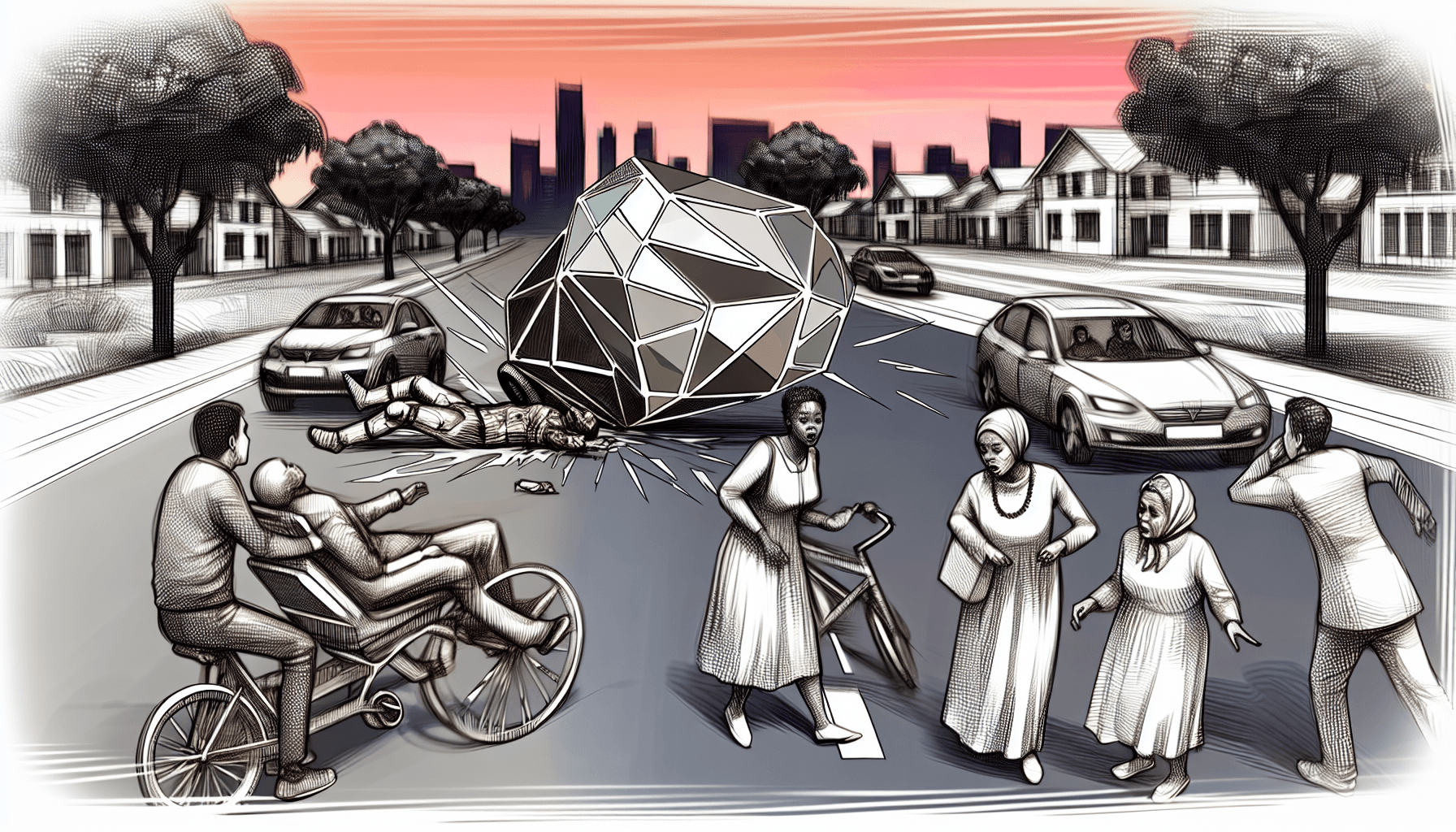
Tesla Cybertruck Crash Caught on Camera: What Really Happened in Texas
Unpacking the Tesla Cybertruck Accident in Frisco
The Incident in Frisco
A recent incident involving the Tesla Cybertruck in Frisco, Texas, captured everyone’s attention. The crash showcased how a seemingly minor medical emergency escalated into a major multi-car accident, leading to significant discussions around vehicle safety, particularly for electric vehicles (EVs). As someone who follows automotive news closely, it’s hard not to be drawn into the narrative of how modern technology sits against the unpredictability of human situations. The increasing reliance on driver-assistance features makes this case particularly relevant, doesn’t it?
This instance highlights the necessity of diligent emergency response protocols in any vehicle, especially EVs that pride themselves on safety features. We are getting there with technology, but how ready are we in managing real-life scenarios like these?
Honestly, while technology has advanced, I think the human element is still the most unpredictable. In this accident, it became clear that even the best safety systems can’t completely mitigate risks when human health plays a role.
-
Key takeaways from the incident include: -
Importance of emergency procedures in EVs -
The role of driver-assist systems in critical situations
“The race between technology and safety standards will always continue, but real-world scenarios often expose blind spots that technology cannot foresee.”
| Feature | Importance | Future Implications |
|---|---|---|
| Autonomous Driving | Enhancement of Safety | Potential to reduce accidents |
| Emergency Response Systems | Critical in Accidents | Essential for safety |
This incident does not only reflect on the Tesla Cybertruck crash, but it raises broader questions about the future of vehicle safety and technology. The ongoing evolution of EVs is a fascinating topic, especially considering how we might need to reevaluate our strategies in emergency handling. Can technology adequately predict every scenario? Your guess is as good as mine.
How a Medical Emergency Turned into a Multi-Car Collision
Imagine driving on a sunny afternoon, your favorite playlist humming softly in the background. Maybe you’re on your way to pick up your friends for a weekend getaway. But suddenly, out of nowhere, the unexpected happens. Just like that, life throws a curveball. Recently, an unfortunate incident involving a Tesla Cybertruck crash captured the attention of many, not just because of its shocking nature, but also due to the circumstances that led to it.
This incident occurred in Texas and was particularly startling because it stemmed from a medical emergency. Reports indicate that a driver experienced a sudden health crisis, causing them to lose control of their vehicle. This scenario raises several alarming questions about the safety of both drivers and passengers. As investigations unfold, it’s clear that even the most advanced vehicles can be involved in such tragic situations, emphasizing the need for effective medical support systems and awareness around health issues when driving.
The Aftermath of the Crash
After the crash, various media outlets rushed to cover the story, providing updates on the condition of those involved. Many of us feel a sense of shock when we hear about collisions like this one. It brings to light how fragile our day-to-day lives can be. Furthermore, it underscores the unpredictable nature of driving, especially when drivers could unexpectedly face a medical emergency.
Following the incident, witnesses noted how chaotic the scene became. Emergency vehicles arrived promptly, yet it was evident that panic prevailed in the immediate aftermath. Unfortunately, this wasn’t just a single-car accident; multiple vehicles were affected, showcasing how one person’s health crisis can spiral into something much larger, impacting innocent drivers and passengers.
This tragic occurrence serves as a reminder that while we might take our physical well-being for granted, maintaining optimal health while driving is crucial. It’s imperative that we listen to our bodies and recognize signs of distress before they lead to unfortunate outcomes.
Conclusions and Broader Implications
As we reflect on this incident, it becomes increasingly apparent that the integration of advanced vehicle technology shouldn’t overshadow the importance of driver health awareness. Could improved medical alert systems in vehicles help? Would heightened awareness of personal health issues lead to fewer accidents? These questions linger as we seek solutions that could reduce the chances of similar crises.
In closing, incidents like the Tesla Cybertruck crash serve not just as grim reminders, but also as a compelling call to action. Let’s prioritize our health and well-being, recognizing that we’re not just responsible for ourselves but also for the safety of those around us on the road.
Why the Cybertruck Suffered the Worst Damage
When we think of Tesla Cybertruck crash, we often picture a futuristic vehicle with an unbreakable exterior. However, recent incidents have revealed some shocking truths about this electric marvel’s vulnerability on the road. In a recent accident in Texas, a combination of circumstances led to the Cybertruck suffering a level of damage that many wouldn’t expect from such a robustly designed vehicle.
Many people were surprised to see the Cybertruck crumpled and dented in photographs taken shortly after the incident. The design of the Cybertruck is marketed as one that could withstand serious impacts and damage. I mean, haven’t we all seen those promotional videos showcasing its supposed indestructibility? But in reality, the accident shed light on vulnerabilities that perhaps had been overlooked by many.
Current safety standards are not as stringent as many consumers believe they are, especially with new EV designs entering the market without extensive crash data.
It goes to show that advanced technology doesn’t always guarantee advanced safety. The Tesla Cybertruck may have a robust frame, but factors like driver behavior, environmental conditions, and even unexpected medical emergencies can lead to destructive results.
In conclusion, the incident involving the Cybertruck is a crucial reminder that safety in electric vehicles is a multifaceted issue. It’s not solely about the car’s design or the technology it possesses but also about real-world scenarios and the unpredictability of human actions. If anything, let this incident pave the way for more stringent safety evaluations in the growing electric vehicle sector.
What This Means for EV Safety and Driver Assist Systems
The recent Tesla Cybertruck crash in Texas, attributed to a medical emergency, has sent shockwaves through the electric vehicle (EV) community and raised critical questions about the safety of EVs and driver assist technologies. As we dive deeper into this incident, it’s essential to consider the implications it has for manufacturers, drivers, and regulators alike.
The Role of Driver Assist Systems
Driver assist systems are designed to enhance safety and convenience on the roads. However, incidents like the Tesla Cybertruck crash bring to light the limitations of these technologies. We need to ask ourselves: are we placing too much trust in automation? These systems can assist in preventing accidents, but they are not foolproof. Many drivers mistakenly believe that engaging these systems means they can completely let their guard down.
Tesla and other EV manufacturers need to engage in more robust public education campaigns to inform drivers about the functionalities and limitations of their driver assist systems.
Future Implications for EV Safety
This tragic event is a wake-up call for the entire automotive industry. The potential for accidents, even with advanced technologies, is a reality we must acknowledge. Going forward, manufacturers should consider enhancing their in-car technologies not just for convenience but for safety. Data collected from these incidents can provide valuable insights into improving the design and functionality of driver assist systems.
“Every time we trust technology without understanding its limitations, we put lives at risk. Let’s advocate for safe driving culture along with technological advancement.”