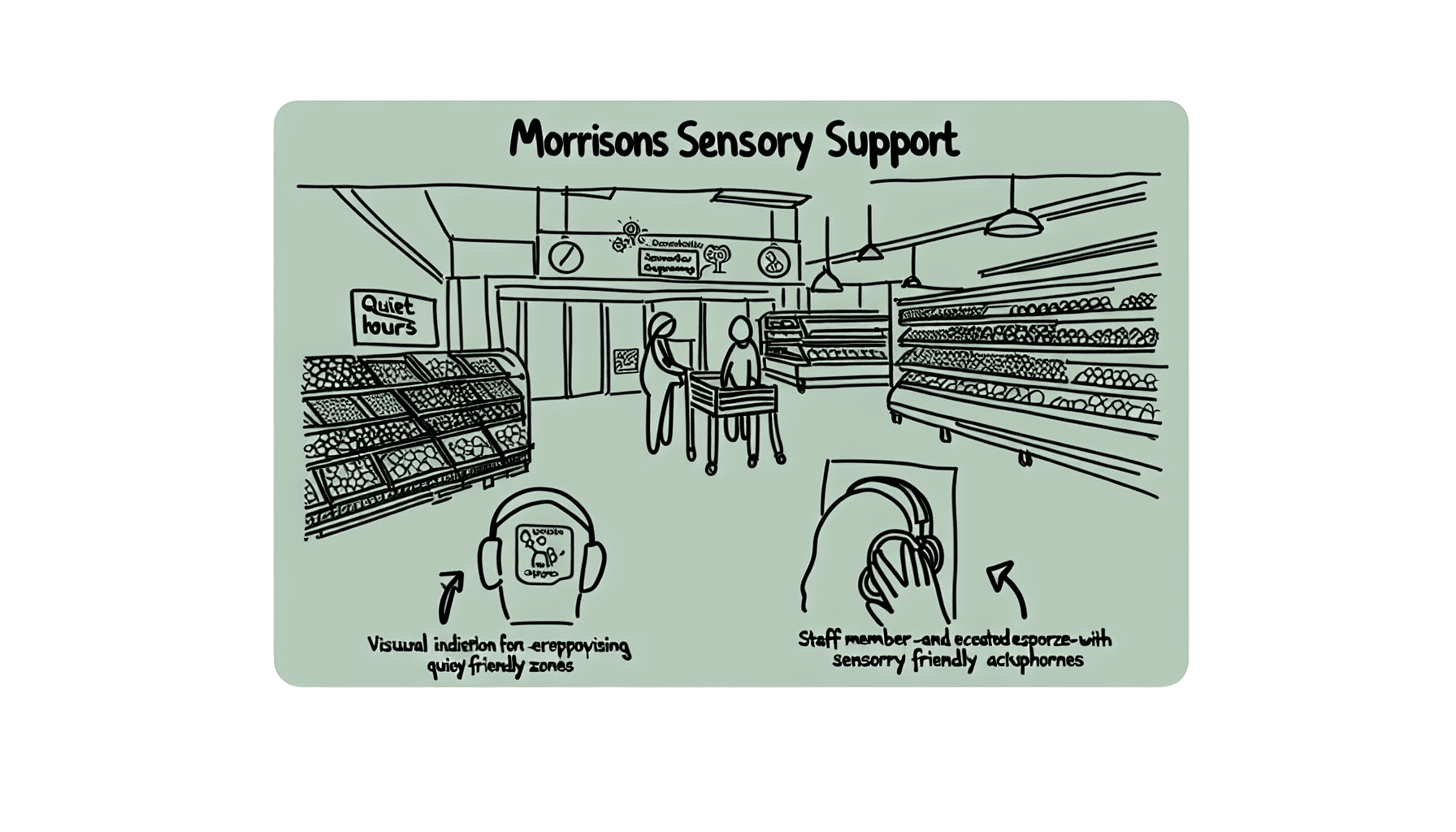
Morrisons Sensory Support: How Inclusive Shopping is Changing UK Supermarkets
Why Sensory Support Matters in Modern Retail
The Importance of Sensory Support
Have you ever experienced the overwhelming chaos of a busy supermarket? The bright lights, loud announcements, and the constant flow of people can be quite stressful for many shoppers. For individuals with sensory processing disorders, including those on the autism spectrum, these everyday situations can feel like an insurmountable challenge. This is why sensory support in retail is becoming increasingly important.
With the rise of awareness regarding neurodiversity, retailers are beginning to understand that creating an inclusive shopping environment can only benefit everyone. Morrisons, one of the UK’s leading supermarket chains, has recently taken significant strides to make shopping more accessible for individuals with sensory issues through their sensory support initiative. This program recognizes that sensory overload can deter many potential customers and aims to create a more welcoming atmosphere.
But what does sensory support actually involve? Essentially, it encompasses various modifications to the shopping experience that can help reduce sensory overload. This might include adjusting light levels, reducing noise, offering calm spaces within stores, and providing sensory-friendly tools. All these measures aim to make shopping a more pleasant experience for those who might otherwise struggle. Retailers who embrace sensory support not only enhance the experience for neurodivergent shoppers but also cultivate loyalty and trust within their customer base.
The impact of sensory support extends beyond just the shopping experience. It sends a powerful message about inclusion and acceptance, promoting a more diverse and understanding society. When retailers recognize and cater to the varying needs of their customers, they signal the importance of embracing differences in a world that often pushes for conformity. This understanding can profoundly affect how neurodivergent individuals view their place in society.
For example, through their initiatives, Morrisons has partnered with the National Autistic Society to implement sensory support strategies effectively. This collaboration helps ensure that their stores are not just making cosmetic changes but are genuinely committed to inclusivity.
In conclusion, sensory support is crucial in modern retail because it acknowledges the diverse needs of customers. As Morrisons leads the way, other retailers should take note and strive to make their shopping environments more inclusive, paving the way for a future where all customers can enjoy a hassle-free shopping experience. Let’s continue to advocate for such important changes in our retail spaces, allowing everyone to feel seen and welcomed.
Inside Morrisons’ Partnership with the National Autistic Society
Have you ever walked into a store and felt completely overwhelmed by the sensory stimuli around you? Bright lights, loud noises, and bustling crowds can make shopping an arduous task for many individuals, especially those who are neurodivergent. In response to this growing concern, Morrisons has taken a significant step towards making the shopping experience more inclusive for everyone by launching Morrisons Sensory Support boxes in collaboration with the . These boxes aim to provide tools and resources that help create a more comfortable shopping atmosphere for neurodivergent shoppers, demonstrating the retailer’s commitment to accessibility and inclusivity.
I think it’s absolutely inspiring to see a major grocery chain like Morrisons recognize the needs of neurodivergent customers. Many retailers often overlook this community’s requirements, but with initiatives like the sensory support boxes, Morrisons is setting a powerful precedent. The sensory support boxes contain a variety of items, from noise-canceling headphones to fidget toys, which can help alleviate the overwhelming sensations often experienced in retail environments. It’s almost like they are providing a safety net to ensure that everyone feels welcome and secure while they shop. This initiative is a fantastic example of how businesses can take actionable steps towards fostering an inclusive community. By making conscious efforts to cater to diverse customer needs, retailers don’t just enhance the shopping experience; they foster loyalty and show that they care about their customers in a genuine way. Morrisons Sensory Support is more than just a box; it represents an ongoing conversation about inclusivity and accessibility in modern retail.
It’s impossible to overstate the importance of inclusive shopping environments. When businesses recognize and address the needs of all shoppers, they not only benefit individuals but also enhance their overall brand image. This is a win-win scenario, where corporate responsibility meets consumer satisfaction. As we move forward, I hope to see more retailers following Morrisons’ example and implementing similar initiatives. It’s a remarkable step towards promoting understanding, acceptance, and accessibility for neurodivergent shoppers in every community. Morrisons is not just transforming the act of shopping; they’re reshaping perception to ensure that nobody feels left behind.
What’s in the Sensory Boxes and How to Get One
Have you ever walked through a busy supermarket and found it overwhelming? The noise, the bright lights, and the ever-moving crowd can be a lot for anyone to handle, especially for neurodivergent individuals. That’s where Morrisons Sensory Support boxes come into play, offering a transformative shopping experience tailored to those who might otherwise struggle in such environments.
So, what does a sensory box actually contain? According to Morrisons, these thoughtfully curated boxes are designed to help manage sensory overload by providing items that promote comfort and relaxation. They include items such as:
These sensory boxes are designed to alleviate the anxiety that some shoppers experience while navigating busy environments. But the best part? They are completely free! To get one, individuals just need to ask a staff member at the store. They are tailored to be discreet and to ensure anyone can access this aid without feeling singled out or embarrassed.
In addition to the sensory boxes, Morrisons encourages everyone to embrace inclusivity and support for neurodivergent individuals. By normalizing the need for sensory supports, they are establishing a more accessible shopping environment that can benefit everyone. If you’re interested in learning more about this initiative, I highly recommend checking their website or visiting your local Morrisons store. Just imagine how much better shopping can be when everyone feels included and supported amidst the hustle and bustle of everyday life!
For more information on Morrisons Sensory Support initiative, visit their official website here.
The Retail Future of Neurodiversity & Customer Accessibility
In recent years, the retail landscape has seen a significant transformation, particularly in the way businesses approach neurodiversity and customer accessibility. With the launch of initiatives like the Morrisons Sensory Support boxes aimed at neurodivergent shoppers, companies are taking steps to create more inclusive environments. This movement is not just a trend; it reflects a growing recognition of the diverse needs of customers and a commitment to accommodating those needs effectively. As we look toward the future of retail, understanding the implications of such changes becomes crucial for both businesses and consumers alike.
The future of retail is increasingly shaped by the understanding that every shopper is unique, and this includes those who may experience sensory overload in traditional shopping environments. Many individuals on the autism spectrum and those with sensory processing issues often find shopping to be overwhelming. Noise, crowds, and bright lights can create a stressful atmosphere that discourages these customers from engaging fully with services or making purchases. It’s heartening to see major retailers recognizing this and actively working to mitigate those experiences. Furthermore, as more brands adopt sensory-friendly practices, it not only enhances the shopping experience for neurodivergent individuals but also demonstrates a broader commitment to empathy and inclusion within corporate culture.
Moreover, the conversation around accessibility is expanding beyond just sensory support. The retail industry is beginning to embody values that prioritize diversity and acceptance. Actions such as training staff on neurodiversity awareness, creating accessible websites, and offering varied payment methods all contribute to an inclusive shopping experience. Retailers are increasingly understanding that fostering a welcoming environment goes beyond physical attributes—it’s about making everyone feel valued and understood as a customer. This fundamental shift can enhance customer loyalty and brand reputation, making inclusivity a mutually beneficial endeavor for businesses and shoppers.
In conclusion, the future of retail is poised for a significant evolution guided by a commitment to neurodiversity and customer accessibility. By taking steps such as launching initiatives like the Morrisons Sensory Support program, retailers are not only addressing the needs of neurodivergent shoppers but also setting a precedent for the entire industry. It’s a call to action for other businesses to consider how they can incorporate similar practices, thereby ensuring all customers have an equal opportunity to enjoy their shopping experience. As consumers, we should champion these changes and advocate for continued progress in making retail spaces inclusive for everyone.