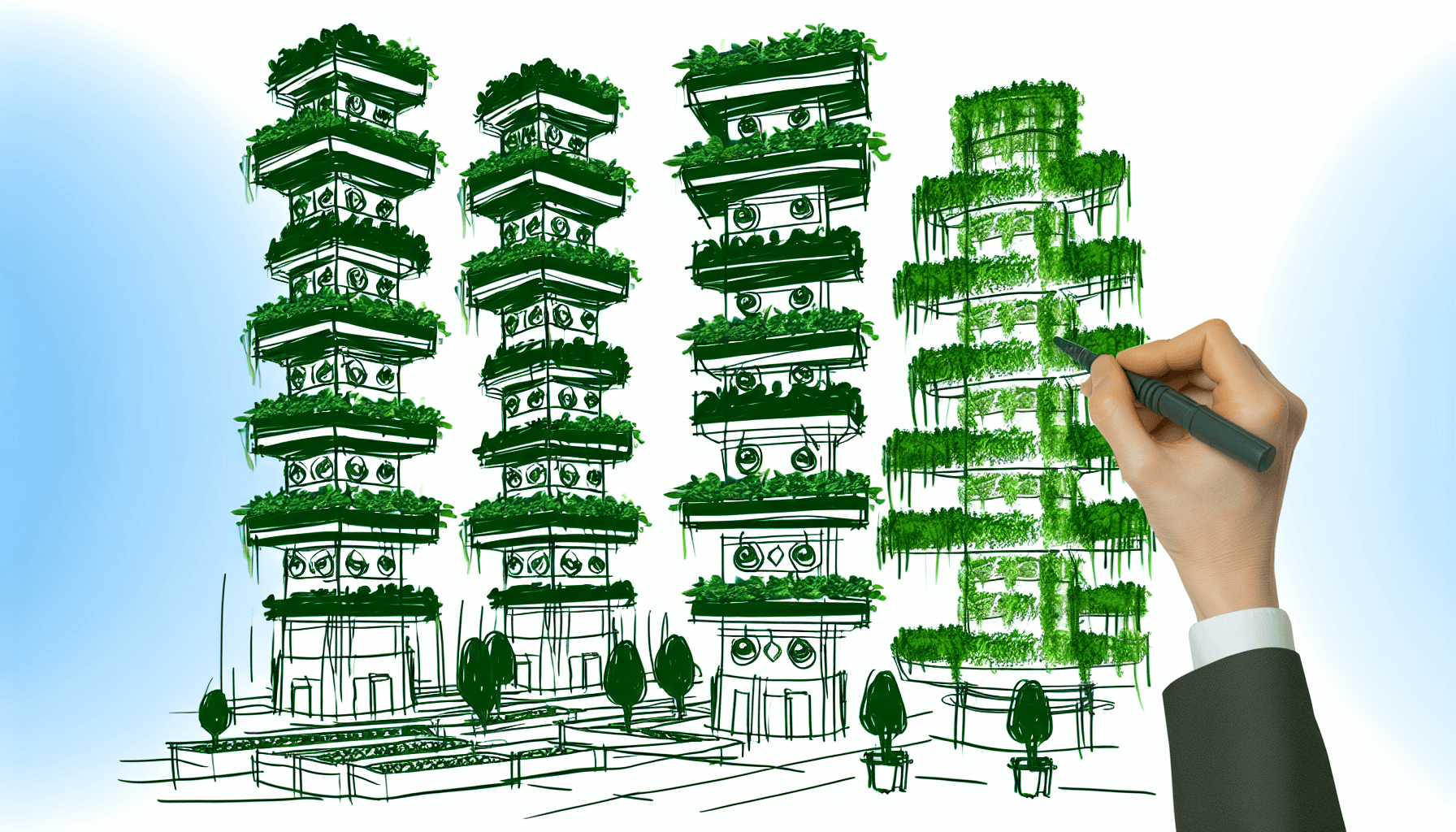
Vertical Farming: The Future of Food Production in Urban Spaces
What Is Vertical Farming and How Does It Work?
Vertical farming refers to the practice of growing crops in stacked layers or vertically inclined surfaces. This innovative approach allows for efficient land use and can often provide fresh produce with reduced transportation times and environmental impact. The basic premise is simple: by creating multi-layered environments, indoor farming can utilize artificial lighting and specially designed climate control systems to optimize plant growth.
You might be wondering, “How exactly does this work?” Well, there are various methods of vertical farming, including hydroponics, aquaponics, and aeroponics. Each technique employs different technologies to deliver nutrients and water directly to the plants’ roots, minimizing waste while maximizing output. Hydroponics, for example, involves growing plants in a nutrient-rich water solution, while aquaponics combines fish farming with plant cultivation, exploiting the natural symbiotic relationship between the two.
One of the substantial benefits of vertical farming is its ability to produce food in urban areas where space is limited. By utilizing less ground space compared to traditional farming, urban centers can grow fresh produce right where it will be consumed. This not only reduces food miles – the distance food must travel from farm to plate – but it also fosters sustainable local economies.
In cities like Singapore and New York, vertical farms are already operational, providing fresh lettuce and herbs while contributing to the local ecosystem. For those who want a hands-on approach, home vertical gardening systems are also becoming popular. These systems allow urban dwellers to grow their herbs and greens indoors, using compact and efficient designs that fit neatly into small apartments.
However, while vertical farming presents exciting possibilities, it is essential to recognize the trade-offs and challenges. The energy consumption of artificial lighting and climate systems can sometimes outweigh the benefits if not managed correctly. As we get deeper into the conversation around sustainability, we’ll explore not only the benefits of vertical farming, like space efficiency and productivity but also the environmental impact it can have in areas where energy sources are not renewable. Overall, vertical farming indicates a promising shift toward sustainable food production, helping answer the questions about how we might adequately feed the growing global population without overburdening our planet.
Key Benefits: Space Efficiency, Productivity, and Beyond
Vertical farming is revolutionizing the way we think about agriculture in urban settings. With the rapid growth of urbanization, the need for sustainable and efficient ways to produce food is more pressing than ever. One of the key advantages of vertical farming is its space efficiency. Instead of sprawling across vast expanses of land, vertical farming allows crops to be grown in multi-level structures, maximizing the use of limited urban space. For instance, a vertical farm can yield as much produce as several acres of traditional farmland, all within a fraction of the land area.
This efficiency not only addresses the space issue but also significantly enhances productivity. Crops can be grown year-round regardless of weather conditions, using controlled environments that optimize growth conditions for maximum yield. Additionally, vertical farms often employ hydroponics, aeroponics, and other advanced farming techniques that minimize water usage by up to 90% compared to conventional farming. This reduction in water consumption is crucial as water scarcity becomes an increasingly global challenge.
In addition to these benefits, vertical farming contributes to a more sustainable food system. By localizing food production, we can significantly reduce the carbon footprint associated with transporting food over long distances. This not only helps in reducing greenhouse gas emissions but also provides fresher produce to consumers. Interestingly,
- Studies have shown that urbanites are more likely to buy locally grown food in cities, leading to healthier food options and supporting local economies.
- Vertical farms foster community engagement by enabling urban residents to connect with their food sources more directly.
Moreover, vertical farms can be integrated into existing structures such as warehouses, rooftops, and even repurposed shopping malls, thus enhancing the urban landscape while contributing to food security. Despite the current challenges, such as high initial setup costs and the need for technology investment, the long-term benefits of vertical farming can outweigh these barriers. This innovative approach not only redefines agricultural practices but also paves the way for healthier, more sustainable urban living.
Environmental Trade-Offs and Sustainability Challenges
Vertical farming has rapidly gained traction as a viable solution for urban agriculture, primarily by utilizing innovative techniques such as hydroponics, aeroponics, and controlled environment agriculture (CEA) that maximize crop yields while minimizing land use. But while it sounds like a dream come true for urban dwellers eager for fresh produce, it’s essential to unpack the environmental trade-offs and sustainability challenges that come hand-in-hand with this modern agricultural approach.
First, let’s consider the energy consumption associated with vertical farming. Unlike traditional farming methods, vertical farms often rely heavily on artificial lighting and climate control systems to create an optimal environment for plant growth. This reliance can lead to a substantial carbon footprint, especially if the energy used comes from non-renewable sources. A study from the Cornell University indicated that the energy use in vertical farming could be significantly higher than conventional farming, raising concerns about its overall sustainability in the fight against climate change.
Additionally, there’s the issue of water usage. One of the touted benefits of vertical farming is the ability to use significantly less water than traditional farming methods. Hydroponics, for example, allows for a recirculating water system that individual plants draw from as needed. However, if not managed properly, water pollution from nutrient runoff can damage local ecosystems. Furthermore, as vertical farms proliferate, an increased demand for certain resources, such as specific seeds or bioengineered crops, could lead to unintended ecological imbalances. The quest for maximum yield could drive over-exploitation, leading to biodiversity loss.
In conclusion, while vertical farming presents enormous potential for transforming urban agriculture and addressing food security challenges, we must critically evaluate its environmental impacts. Solutions such as integrating renewable energy sources and promoting sustainable resource management will be key. It’s not about dismissing vertical farming altogether, but about finding a balance that ensures agriculture can thrive without degrading the environment or exhausting depletable resources.
Getting Started: Exploring Vertical Farming Systems at Home or Commercially
As urban populations grow and the demand for fresh produce increases, vertical farming has emerged as a viable solution to transform local agriculture. It maximizes crop yields, utilizing limited space through innovative methods such as hydroponics and controlled environments. This article explores how individuals and businesses can delve into vertical farming, whether in a modest home setup or on a commercial scale.
Starting with Home Vertical Farming
For those curious to trial vertical farming at home, beginning small is the way to go. A variety of systems are available for beginners, from simple window box setups to more complex indoor gardens. The essentials include:
Commercial Vertical Farming
On a commercial scale, vertical farming offers enormous potential. Companies like Vertical Harvest are revolutionizing how we produce food in urban areas. Establishments can harness technology to enhance productivity, reduce risks related to weather, and supply fresh produce directly to consumers. To get started, businesses should consider key aspects such as:
- Research the necessary technology and equipment.
- Assess the initial investment and operational costs.
- Consider local regulations and food safety standards.
Vertical Farming: The Future of Food Production in Urban Spaces
In conclusion, whether for home gardening enthusiasts or large-scale producers, vertical farming presents a unique opportunity to pioneer a more sustainable future in urban agriculture. The process is not only about food production; it’s about redefining our relationship with the environment and each other. Let’s embrace this revolutionary approach to food and inspire others to adopt similar practices!
#VerticalFarming, #UrbanAgriculture, #Hydroponics, #SustainableFarming, #FoodProduction