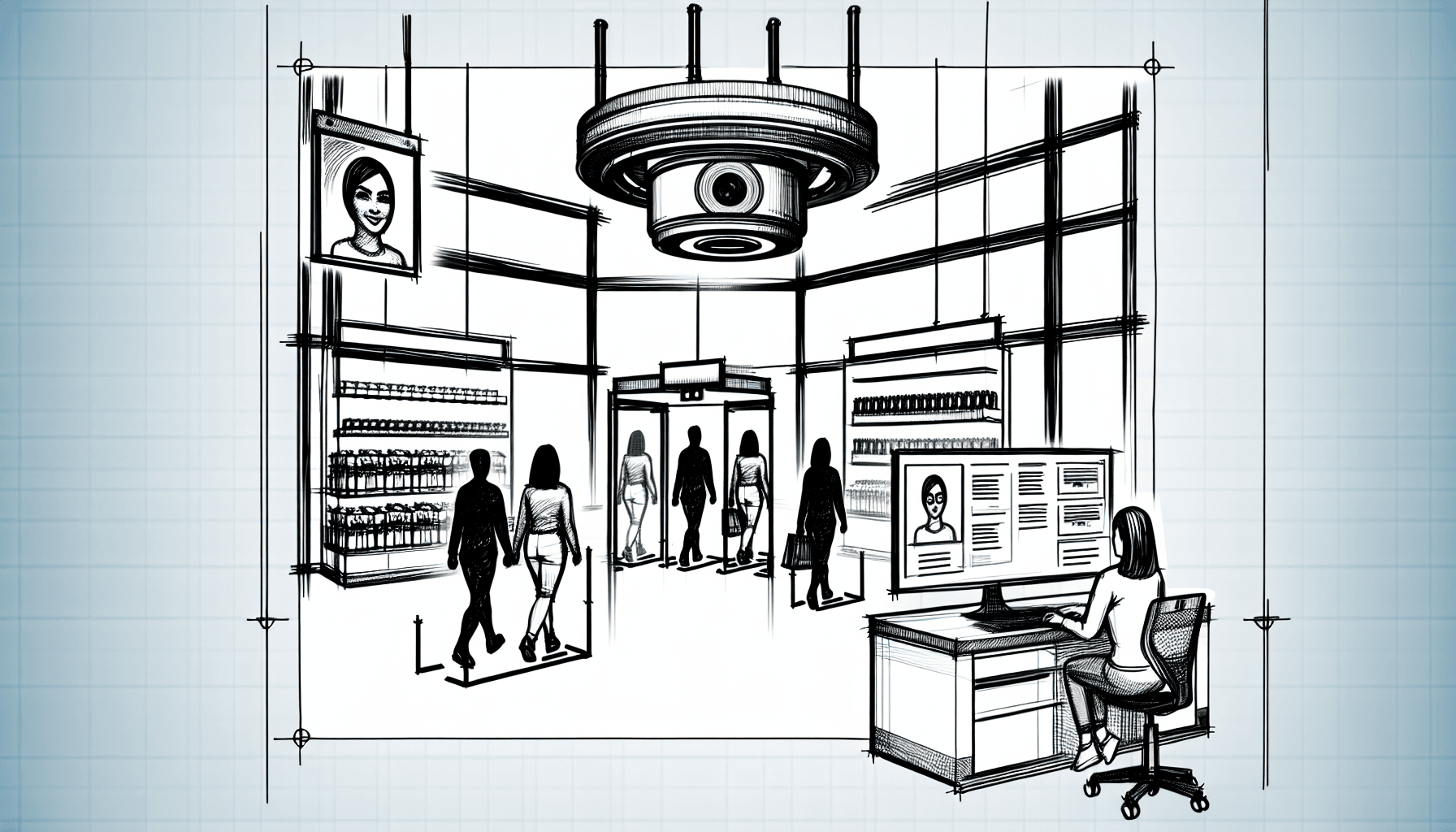
Asda facial recognition trial 2025: How It’s Changing Retail Security Forever
Why Asda Turned to Facial Recognition Technology
In a world where technology is rapidly evolving, it’s not surprising that large retail giants like Asda are exploring innovative solutions to enhance security and improve customer experience. The deployment of facial recognition technology is a bold move that brings both excitement and controversy. This technology is aimed at reducing theft and creating a safer shopping environment, which, in theory, sounds like a win-win situation.
Asda’s interest in adopting such a technology stems from the persistent issues related to shoplifting and the challenges associated with managing store security. According to reports, retail stores across the UK are facing significant losses due to theft, prompting companies to rethink their approaches. But as they venture into this territory, there are numerous questions that arise about privacy, consent, and ethical implications related to the use of such surveillance systems.
Are we ready to embrace a world where our faces are constantly monitored while we shop? The Asda facial recognition trial set to launch in 2025 could mark a turning point in retail security, but it also challenges our perceptions of privacy and autonomy. This trial will take place in Greater Manchester, aiming to analyze the effectiveness and public reception of this technology in real-time shopping scenarios.
Imagine walking through the aisles, your face scanned and identified for purposes that can feel both protective and invasive. While the idea of enhanced anti-theft measures sounds appealing, it’s important to acknowledge the potential backlash from privacy advocates. How do we balance the need for security with the fundamental right to privacy? Asda’s trial will undoubtedly shine a light on these pressing issues, and the company will have to navigate through a minefield of public sentiment and regulatory considerations.
Retail executives argue that the technology can enhance the shopping experience by identifying known thieves and deterring criminal activity. Studies suggest that stores with surveillance systems experience a significant drop in theft rates. Moreover, customers may feel safer knowing that their shopping environment is monitored. However, these arguments come with caveats that must be addressed as the trial progresses.
One of the pivotal points in the discussion is consent. Will customers be informed that they are being monitored? And more importantly, will they have a say in whether or not they want their faces stored in a database? There’s a fine line between providing safety and infringing on individual rights. This is where Asda’s communication strategy becomes pivotal. Transparency, along with a robust privacy policy, will be essential in assuaging public fears.
Additionally, there’s the question of system accuracy. Facial recognition technology is not foolproof. It can misidentify individuals, leading to embarrassing and potentially harmful situations. Customers who are falsely identified as thieves could face serious repercussions, including being wrongfully accused. Thus, Asda must ensure that the technology is thoroughly tested and that there are clear protocols for handling discrepancies.
In summary, Asda’s venture into the realm of facial recognition technology is a bold step aimed at redefining retail security. While the potential benefits are tantalizing, they come with a plethora of challenges that demand careful consideration. As we approach 2025 and the rollout of the trial, it’s imperative that Asda engages with their customers, solicits feedback, and remains committed to upholding privacy rights. The outcome of this trial could influence retail practices around the globe, setting a precedent for how technology and customer rights coexist in the future.
How the Trial Works Across Greater Manchester Stores
Asda is taking a bold step into the future of retail security by introducing a facial recognition pilot program in its Manchester locations, set to launch in 2025. The intention behind this initiative is clear: to bolster security measures, minimize theft, and consequently create a safer shopping environment for both customers and employees alike. This program is touted as a technological advance that might reshape how grocery chains deal with security, especially in urban areas where challenges related to theft and safety are more pronounced.
So, how exactly will this facial recognition trial unfold across the Greater Manchester stores? The implementation is set to involve several phases, emphasizing the need for transparency and ethical considerations. Initially, the trial will be focused on a select number of stores, which will be monitored closely to assess both its effectiveness and its impact on customer experience. This includes analyzing data to determine how successful the technology is in deterring shoplifters without infringing on the privacy of the shoppers.
During the trial, cameras equipped with facial recognition technology will capture images of individuals entering the stores. These images would then be compared against a database of known offenders, effectively creating a real-time alert system aimed at identifying potential threats before any incidents occur. It’s important to highlight that the data collected will be used strictly for security purposes, and Asda has pledged to handle any sensitive information with utmost care, in compliance with relevant data protection regulations.
In addition to enhanced security, the trial aims to improve the overall shopping experience by making it safer for customers. Store staff can concentrate on assisting customers rather than monitoring suspicious behavior, knowing that there is an advanced system in place to catch potential theft in action. However, the introduction of facial recognition technology in a public retail space does not come without its concerns. Questions regarding privacy and misuse of the technology have been raised, with critics expressing fears that it might lead to an invasive culture where shoppers feel constantly surveilled. As Asda prepares for the rollout, a critical component will be how they communicate the benefits and limitations of the technology to their customer base, ensuring transparency while fostering trust.
As the trial progresses, there will be a concerted effort to gather feedback from customers and employees alike, allowing Asda to refine its approach based on real-world experiences. The success of this trial could lead to broader applications across their entire operations, not just in Manchester but potentially across the country. If executed correctly, this initiative may redefine security protocols in retail, paving the way for advanced technological solutions to address long-standing issues in the industry.
Ultimately, the Asda facial recognition trial in 2025 could be a game changer, not only within their stores but also in the wider landscape of retail security. With careful implementation and ongoing monitoring, Asda has the opportunity to lead the industry towards a more secure shopping experience, balancing innovative technologies with essential privacy considerations.
Potential Benefits and Concerns for Shoppers and Staff
The introduction of facial recognition technology in retail spaces, particularly at Asda stores in Manchester, represents a groundbreaking step toward improving security. Asda is revolutionizing retail security by trialing facial recognition at its Manchester stores in 2025. While this innovation might bring various benefits, it also raises significant concerns that shoppers and staff must consider.
Benefits of Facial Recognition
Facial recognition technology offers several potential benefits for both shoppers and staff, which can significantly enhance their overall experience. Some of these benefits include:
-
A safer shopping environment due to increased security. -
Faster customer service by identifying loyal customers for personalized service. -
Reduction of crime rates as staff can be alerted to suspicious behavior promptly.
In terms of operational efficiency, the implementation of security technology can enable staff to focus more on customer service rather than constantly monitoring potential shoplifters, which can improve overall employee satisfaction.
Concerns Regarding Facial Recognition
Despite its potential advantages, many people have voiced concerns over the use of facial recognition technology. Here are some key worries:
-
Concerns about privacy and the potential misuse of data by third parties. -
The risk of errors in identifying individuals, leading to wrongful accusations or discrimination. -
A sense of being constantly monitored, resulting in discomfort among shoppers.
As we move toward a more digitalized world, striking a balance between ensuring safety and safeguarding individual privacy will be crucial. It is vital for companies like Asda to address these concerns transparently while implementing new technologies.
Will Facial Recognition Become the New Normal in Retail?
In 2025, Asda plans to trial facial recognition technology at its Manchester stores. This is a significant step towards revolutionizing retail security, but it begs the question: will facial recognition become the new normal in retail? On one hand, this technology promises to enhance safety and efficiency by deterring crime and helping to protect staff. On the other hand, the potential for privacy infringement and misuse raises important ethical concerns.
Every day, consumers walk into retail spaces, often unaware of the various technologies working behind the scenes to ensure their safety. With increasing instances of theft and security breaches, businesses are scrambling to find solutions that effectively reduce these risks. Asda’s trial of facial recognition technology may be a game-changer, as it could potentially allow for real-time identification of potential threats. However, do we want to live in a world where our every move is monitored? For many shoppers, the idea of being watched can feel invasive, lessening the spontaneity of shopping.
ForAsda facial recognition trial 2025, it’s essential to strike a balance between safety and privacy. Companies must tread carefully, establishing transparent policies about data usage and storage to build trust with their customers. Furthermore, ongoing dialogue surrounding ethical implications of facial recognition technology in retail spaces is crucial as we advance. Many individuals may feel that they are giving up their privacy for the sake of security, and brands must be prepared to address these feelings honestly.
If Asda’s trial is successful, we may very well see a future where facial recognition becomes standard practice not just for safety, but also for personalized customer service experiences. Imagine walking into a store, and your shopping preferences are already recognized, potentially streamlining your experience. Nevertheless, as we approach this new frontier, we need to remember that while embracing technology can enhance our shopping experience, it’s our responsibility to safeguard our right to privacy. It is imperative that *we question how far we are willing to go for convenience and security.* We must ask: is this the kind of future we truly desire?