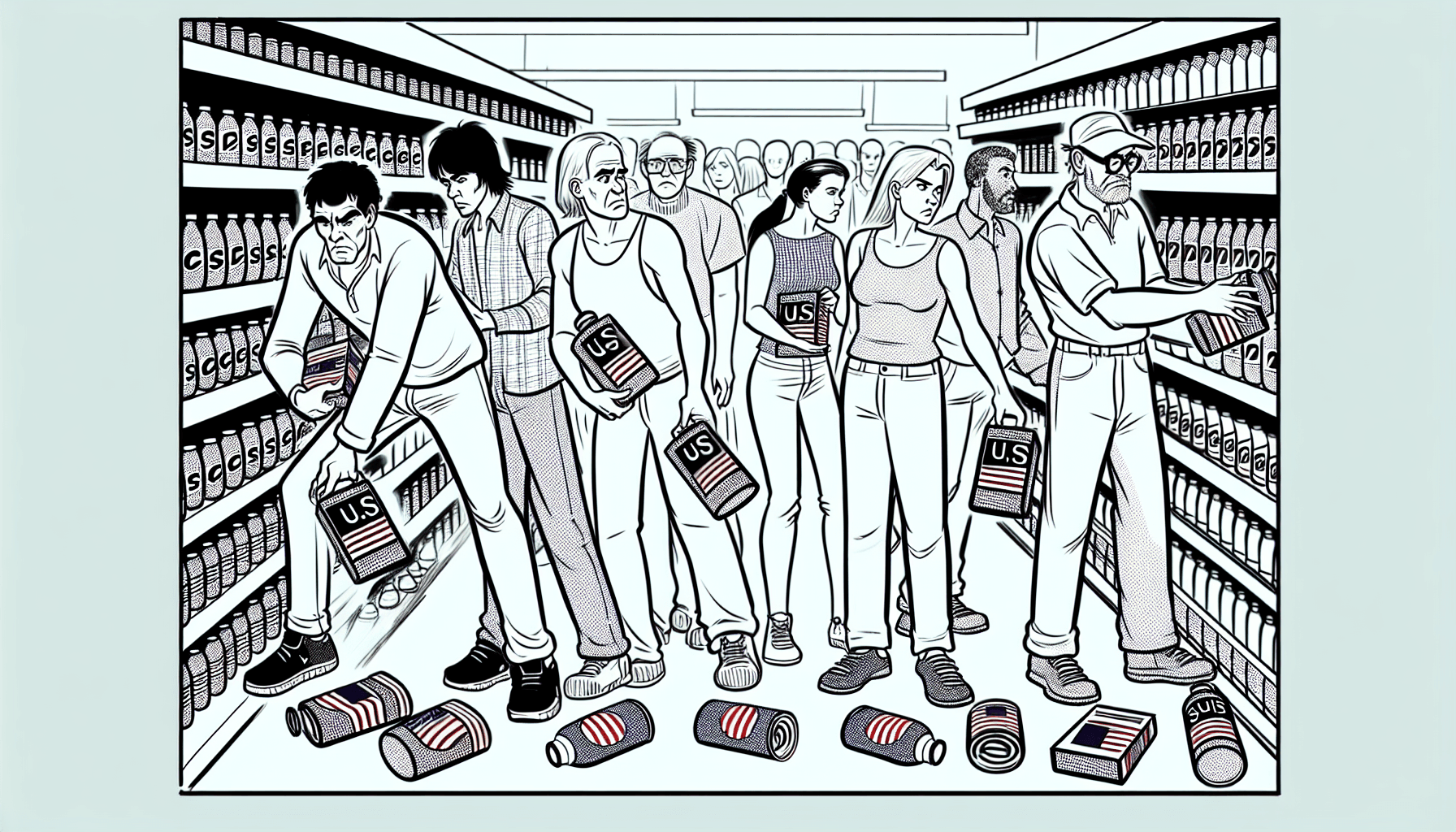
European consumers drop US products: What this means for global brands in 2025
Shifting European Sentiment Toward American Brands
As we navigate through the intricacies of global trade and shifting cultural perceptions, there’s an undeniable trend emerging in Europe. More and more European consumers are choosing to distance themselves from American brands, a shift that carries significant implications for businesses worldwide. The rise of consumer nationalism, compounded by local alternatives gaining popularity, signals a changing landscape in the branding realm. People are increasingly turning to brands that resonate with their values and local identities, leading to a decrease in loyalty towards U.S. products, a trend exemplified by the phrase European consumers drop US products. This sentence encapsulates the essence of the evolving market dynamics.
Now, while it may be easy to dismiss this phenomenon as a mere fad, it is vital to analyze the factors contributing to this backlash. For one, the rising awareness of social justice issues has pushed consumers to align their purchasing decisions with brands perceived to be ethical and responsible. European consumers, particularly younger generations, are adamant about sustainability, transparency, and corporate social responsibility. Brands that fail to resonate with these ethics might find themselves alienated from an audience that is increasingly vocal and socially aware.
In addition to this ethical dimension, the technological landscape plays a crucial role in shaping consumer choices. With social media platforms becoming integral to product discovery and engagement, word-of-mouth recommendations and digital influencers are leaving a lasting impact on the perception of American brands. European consumers are actively seeking alternatives, often turning to local or regional brands that resonate more with their cultural identity.
However, navigating this shift requires a deep understanding of regional specifics. What works in one market may not necessarily work in another. American brands must pay careful attention to local trends and consumer behavior if they wish to retain their market share. Creating campaigns that celebrate local culture, traditions, and values can be a first step towards regaining consumer trust.
American brands need to adapt quickly to these changing sentiments or risk losing their foothold in Europe. Fostering connections with local communities and adapting products to suit local tastes and preferences can prove invaluable in this context. The challenge lies in finding a balance between maintaining a global identity and tapping into the local essence of different markets.
In conclusion, the shifting European sentiment toward American brands is a wake-up call for global businesses. Brands that prioritize authentic engagement, cultural relevance, and ethical responsibility will see their efforts rewarded, while those that ignore these shifts risk alienating an increasingly aware consumer base. The future of brand loyalty hinges on understanding and bridging the gap between diverse consumer expectations and the values that resonate deeply across geographical boundaries.
Key Industries Facing the Backlash: From Autos to Tech
In recent years, there has been a noticeable shift in consumer preferences, particularly among European consumers who are actively replacing U.S. products. This trend has sparked discussions about brand loyalty and the implications for various industries. Key sectors facing this backlash include the automotive and technology industries, where U.S. brands have traditionally held a strong presence. The challenge lies in addressing the reasons behind this shift and understanding how companies can effectively respond.
To paint a clearer picture, let’s take a look at the automotive sector. European consumers are increasingly opting for homegrown brands over American giants. Companies like Volkswagen and BMW consistently outperform their U.S. counterparts, driven by a focus on sustainability and innovation. A growing number of consumers prioritize eco-friendly options, and European brands have made significant strides in electric vehicle technology. This has led to emphasis on local alternatives as consumers vote with their wallets. In the tech sector, American brands like Apple and Microsoft are also facing scrutiny as data privacy concerns rise. Consumers are becoming more aware of their digital footprints, favoring European companies that prioritize personal data protection. To remain competitive, U.S. companies must adapt and innovate while aligning with consumer values.
In 2025, European consumers are seeing a distinct shift in their preferences. Let’s delve into how social media has fueled the emergence of product alternatives as these consumers begin to pivot away from American brands such as Coca-Cola and Nike. It’s incredible how social interactions, reviews, and viral trends are driving this cultural shift. Is it a temporary trend or something more permanent?
Social media platforms have transformed how consumers interact with products; they are no longer passive recipients of brand messaging. Instead, they actively engage with brands and each other. This creates a fertile ground for discussions around alternatives to popular U.S. products. Here’s the reality: European consumers are dropping U.S. products in favor of local or alternative brands, swayed by peer recommendations and authentic reviews.
Why are these changes happening?
One major driving force behind this shift is the overwhelming influence of social media. Consumers today do their research online, absorbing opinions from their social circles and broader communities. They read reviews, see unboxings, and engage with brands in a way that was impossible in the past. This results in a vibrant ecosystem of recommendations and alternatives. When a product goes viral for its eco-friendly attributes, for instance, potential buyers quickly opt-in, sometimes at the expense of established American brands.
“The power of consumer choice is stronger than ever, and it’s being reinforced by the collective voice on social media platforms.”
In conclusion, the evolving landscape of consumer loyalty in Europe is not merely a passing trend. It is an unmistakable reality shaped by cultural shifts and social media influence, culminating in the active replacement of American products by local alternatives. Brands must pay attention and adapt to this new reality to remain relevant. Will they innovate in response, or risk being sidelined in a rapidly changing marketplace? The time to act is now.
Will the Trend Continue? What Brands Must Do Now
The shift we are witnessing among European consumers actively dropping U.S. products is not just a fleeting trend. It’s a strong indicator of changing sentiments and preferences that could reshape the landscape for global brands in the years to come. The question on everyone’s mind is: Will the trend continue? In 2025, we might see an even deeper pivot away from American icons. A critical element for brands will be understanding this evolving landscape and adapting accordingly.
Brands must first conduct thorough market research to gain insights into what drives this consumer behavior. A strategic understanding of local culture, values, and preferences can help U.S. companies tailor their offerings, messaging, and overall presence in the European market. It’s not just about localization; brands need to resonate emotionally with the local consumer base. This approach could translate into more relatable advertising, sustainable practices, and community engagement initiatives, aligning their operations with the values currently held by European consumers.
Another key area for brands to focus on is collaboration and partnerships with local influencers and businesses. By doing so, they can not only benefit from the credibility and trust these local partners often enjoy but also tap into a deeper understanding of the market dynamics. U.S. brands can leverage these relationships to co-create products or initiatives that speak to the unique preferences and needs of European consumers. For example, a collaboration between an American tech company and European sustainability advocates could yield innovative products that align with the rising demand for eco-friendly alternatives.
Lastly, U.S. brands should not underestimate the power of digital engagement. Social media platforms serve as vital channels for monitoring consumer sentiment and engaging in real-time conversations with potential customers. The feedback loop created through online channels can aid businesses in continually assessing their market position and make necessary adjustments. This active engagement can enhance brand loyalty among European consumers who are actively seeking brands that are willing to listen and engage with their concerns and values.
In conclusion, adapting to the shift in consumer sentiment will require U.S. brands to rethink their strategies. Those who embrace a local approach, explore strategic partnerships, and enhance their digital presence will likely thrive in this evolving landscape. The potential for U.S. brands to regain their foothold in Europe exists, but the journey will involve a commitment to understanding and integrating into the local culture.