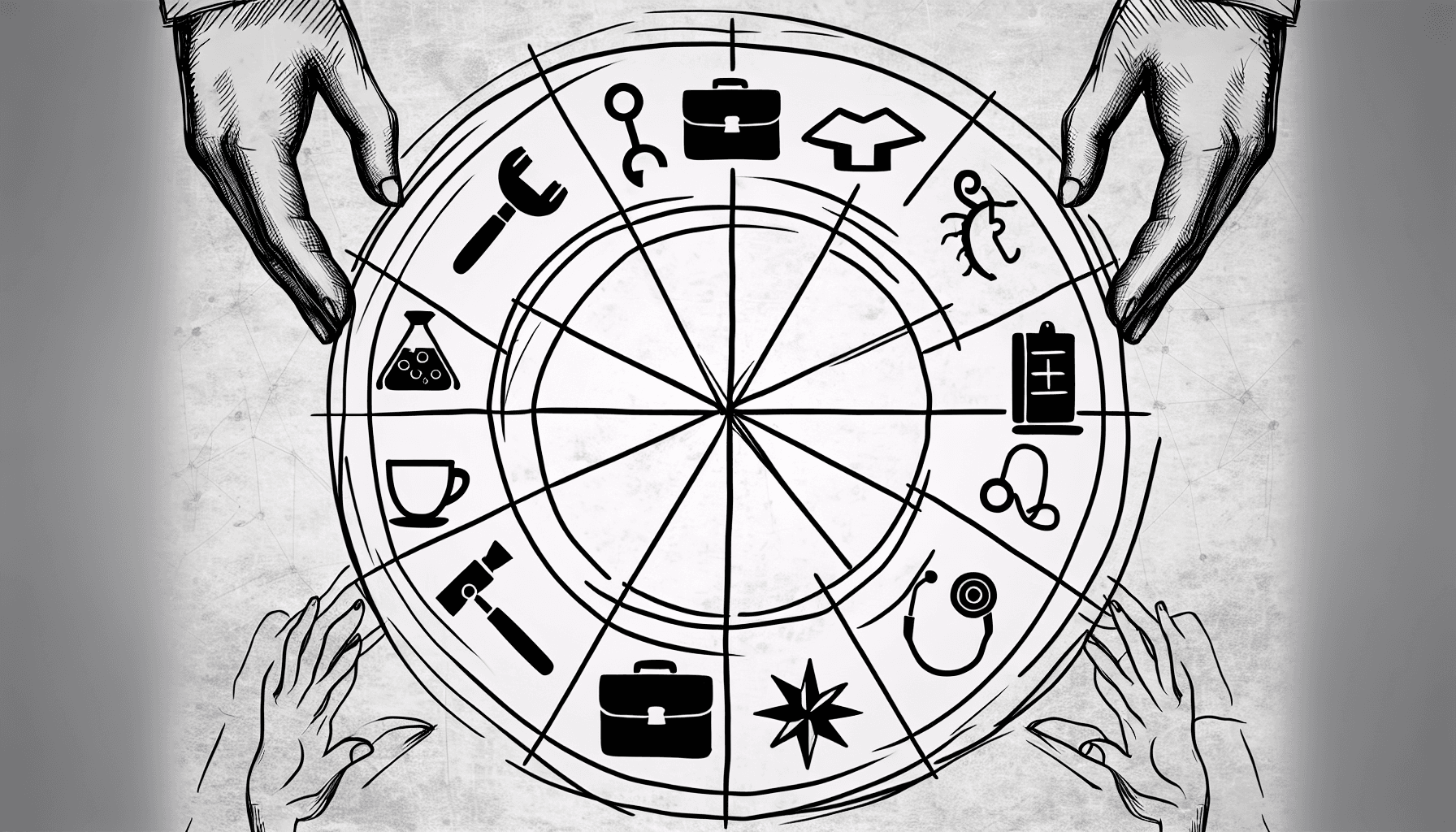
Career Astrology: How One Woman Left HR Behind to Follow the Stars
\n\n
\n
\n
Exploring the Shift from Corporate HR to Career Astrology
\n
In a world driven by ever-evolving corporate structures and traditional HR practices, a growing number of individuals are finding solace and direction in less conventional methods of career guidance. One of the most intriguing of these is career astrology. You might be asking yourself, \\”How can astrology possibly guide someone’s career?\\” Well, the truth is, while it may seem unusual, many are discovering that the stars can offer insights into their strengths, weaknesses, and potential career paths. This shift isn’t just anecdotal; a rise in interest towards astrology as a career guidance tool can be observed across various demographics.
\n\n
Take, for instance, the story of a former HR manager named Sarah who decided to leave her corporate job to pursue a career in astrology. Initially skeptical, she found that astrology provided the clarity and alignment she couldn’t achieve through traditional HR methodologies. Her journey exemplifies a broader trend where more individuals are choosing to explore their career paths by looking to the cosmos rather than merely relying on strategic frameworks.
\n\n
Companies are starting to recognize the value that unconventional methodologies can bring to the table. Recently, several startups have begun introducing unconventional elements into their corporate culture, encouraging their employees to engage in activities related to personal growth and self-discovery. Whether through formal workshops on astrology or informal sharing circles, this approach has fostered a sense of community and personal fulfillment that corporate environments often lack.
\n\n
Moreover, as younger generations such as Millennials and Gen Z redefine what success means to them, they are increasingly turning to astrology as a lens through which they can view their career options. For these individuals, traditional definitions of success—like climbing the corporate ladder—are no longer appealing. Instead, they value job satisfaction, personal passion, and work-life balance above all else. Astrology, then, becomes a guide that resonates with their quest for personal and professional alignment.
\n\n
In conclusion, this exploration of the shift from corporate HR practices to career astrology highlights a significant change in how individuals perceive their career journeys. As we continue to navigate these changing times, it’s crucial that we remain open to different forms of guidance and consider how they can inform our decisions—be it through the stars, tradition, or beyond.
What Makes Astrology an Emerging Career Guidance Tool?
In recent years, career astrology has gained traction as a noteworthy tool for career guidance, especially among millennials and Gen Z. It offers a fresh perspective on career planning, integrating the insights derived from astrological principles with traditional career advice. Many people are seeking alternatives to conventional career paths and guidance, and astrology provides an engaging and often fun option. With the rise of digital tools, incorporating astrology into career coaching has become more accessible, paving the way for astrological insights to play a meaningful role in shaping modern career trajectories.
Astrology, in its essence, is an ancient practice that interprets the position of celestial bodies to offer insights into human behavior and life events. In the context of career guidance, it explores an individual’s birth chart to identify their innate talents, strengths, and potential challenges. This tailored approach aligns well with the desires of a generation that increasingly values personalized experiences. Furthermore, as the global job market evolves with the rise of gig economies and remote work, the allure of career astrology lies in its ability to offer the individualized insight that modern career seekers crave.
The Growing Popularity of Career Astrology
The increasing popularity of career astrology can be attributed to a variety of factors. One significant element is the shift in the traditional career landscape, where job stability and lifelong employment are no longer the norms. Today’s workforce is characterized by changes and transitions. It’s common to find individuals switching careers multiple times throughout their lives, creating a demand for evolving methods of career guidance.
Additionally, the rise of social media has played a crucial role in the spread of astrological content. Platforms like Instagram and TikTok are teeming with astrological content creators who make astrology more relatable and engaging. The casual, fun introduction of astrology into the digital realm has encouraged many young people to explore it as a serious option for career guidance. As a result, some companies and career coaches are beginning to incorporate astrology into their services, further legitimizing its role as a career guidance tool.
Personal Experiences and Transformational Stories
Many individuals report life-changing experiences after consulting a career astrologist. Personal testimonials often highlight how astrological insights have clarified their career direction and helped them realize their strengths. For instance, a recent college graduate may have felt lost while embarking on their career journey. After receiving astrological guidance, they might discover that they possess a natural affinity for creative roles, encouraging them to pursue a career in design or marketing.
These personalized stories are powerful testaments to the efficacy of career astrology. They illustrate how understanding one’s astrological profile can lead to the alignment of one’s professional aspirations with personal traits, increasing both job satisfaction and career success.
Challenges and Criticism
Despite its growing popularity, career astrology faces skepticism and criticism. Detractors often question the legitimacy of astrology as a serious tool for career guidance. Critics argue that relying on astrological predictions risks oversimplifying complex career paths and individual choices. While it’s essential to understand these criticisms, it’s equally important to acknowledge that astrology often complements other traditional career guidance methods.
Offering a holistic view that incorporates intuition and exploration of one’s self alongside practical advice allows career astrology to find its place in modern career counseling. When utilized alongside skills assessments, career testing, and mentorship, astrology can serve as an enriching approach that empowers individuals to take control of their career journeys.
Conclusion
To sum up, career astrology is emerging as a fascinating tool in the evolving landscape of career guidance. Its personalized approach resonates with those seeking meaningful insights into their professional lives. As society continues to embrace alternative pathways and methodologies, career astrology presents an innovative blend of ancient wisdom and contemporary career advice. This synthesis could very well define the landscape of career navigation for generations to come.
How Millennials and Gen Z Are Redefining Career Paths
In the ever-evolving landscape of work, Millennials and Gen Z are reshaping career paths like never before. Many young professionals today are no longer content with traditional 9-to-5 jobs or established career ladders. Instead, they are embracing flexibility, passion projects, and even unconventional guidance tools such as career astrology. But what does this shift mean for the future of work?
The pandemic accelerated the need for change, compelling many to reflect on their life choices and workplace happiness. Studies show that around 70% of workers are seeking opportunities that align closely with their personal values and goals (source: Gallup). In this context, traditional career paths that emphasize linear growth and stability are becoming antiquated. Instead, many young workers are opting for self-employment, freelance gigs, and remote work arrangements that provide them with the freedom to explore their passions. They seek careers that are not just jobs, but expressions of their individuality, creativity, and aspirations.
Furthermore, the integration of technology is significantly impacting how new generations view their careers. Many turn to platforms like LinkedIn for networking and career development, while others rely on social media to showcase their skills and build their personal brands. This shift is profound; young people are now using their digital footprints to create career paths tailored specifically to their unique skill sets and interests. The growing acceptance of alternative career guidance tools, including career astrology, exemplifies the desire to find personalized and holistic approaches to career planning. They are eager to explore how their values, strengths, and yes, even their astrological signs can play a role in their career choices, proving that the future of work may look less like a straight line and more like a creative patchwork.
The Takeaway: Unconventional Paths Can Lead to Fulfilling Careers
In a world where the conventional career path often seems like the only route to success, it’s important to recognize that unconventional paths can lead to fulfilling careers. As we observe many professionals transition from traditional roles to more unique vocations, stories like that of a former HR professional becoming a career astrologist offer profound insights into this trend.
The idea of reshaping one’s career based on personal passions or alternative methodologies is gaining traction. The transition from a stable corporate job to a practice rooted in the stars is not just about following whims; it represents a broader cultural shift. More and more individuals are reconsidering what success looks like to them, leading to increasingly diverse career choices that align their personal values and lifestyle. What drives this change?
For many, it’s about **finding meaning** and **purpose** in what they do. The traditional 9 to 5 is slowly being replaced by more fluid work styles, where individuals pursue what resonates with them on a deeper level. This need for fulfillment often outweighs the allure of a stable income, pushing people to explore routes that may once have seemed far-fetched. We live in an age where chasing your dreams can lead to successes, however varied, thus validating the idea that every person’s career path is unique to them.
Nevertheless, it is essential to recognize that pursuing unconventional careers comes with its challenges. Just like our celestial navigators suggest, the journey might not be straightforward. Individuals must be prepared to face skepticism and doubt from others while they navigate this new territory. But, those who persevere often find deeper satisfaction and a sense of community among fellow seekers. Ultimately, the key takeaway is: embracing your unique journey, whatever form it may take, can lead to a truly fulfilling career experience.