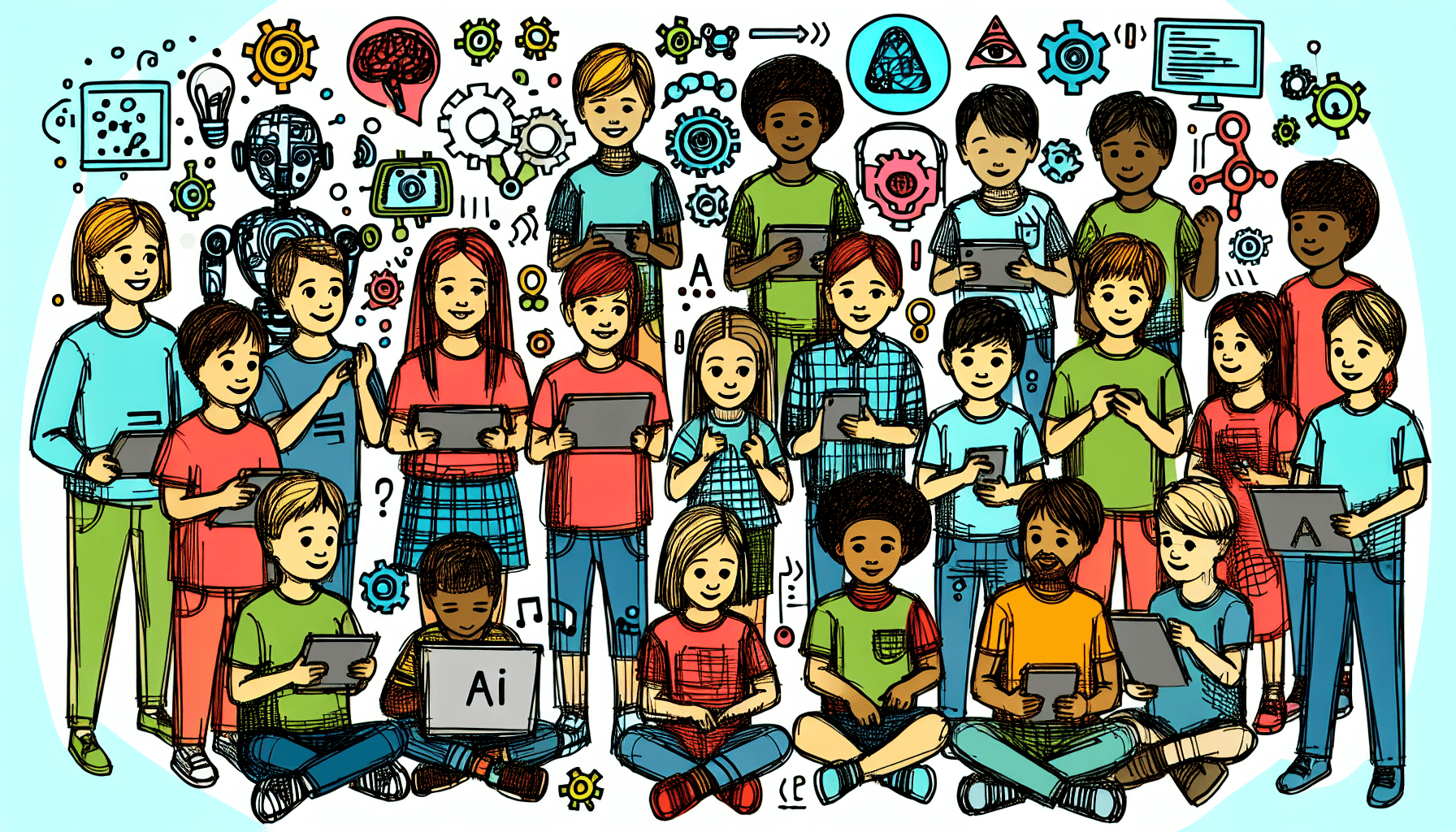
AI Education for Kids: Why Coding Isn’t Dead in 2025
The New Goal of Teaching AI: Co-Creation over Automation
Moving Towards Co-Creation
In recent years, the landscape of education has dramatically shifted with the advent of AI technologies. Traditional teaching methods often emphasize the automation of tasks, but it’s becoming increasingly important to focus on co-creation between students and AI systems. This approach allows kids to interact with AI as partners, fostering creativity and a sense of ownership in their learning journey. By encouraging children to collaborate with AI in creative projects, we prepare them for a future where human and machine collaboration is the norm.
The traditional coding classrooms focused primarily on teaching syntax and problem-solving through logic. However, as technology evolves, we need to inspire young minds to envision new possibilities that arise through AI. In this light, coding is not just about learning to program; it’s about understanding how to work creatively alongside technology.
This shift in focus encourages students to ask bigger questions about their projects. What is the potential impact of their ideas? How can AI assist them in realizing those ideas? This fosters a more engaged and thoughtful approach to learning.
The goal here is not to replace traditional learning but to enhance it. By integrating AI education into the curriculum, especially with kids, we provide them with the tools they need to navigate an AI-driven world confidently. Things like problem solving in a collaborative environment can hint at future job requirements, making this education not just relevant but essential.
“Education must not only be about rote learning. It should be about nurturing a generation of co-creators alongside technology.”
- Identify areas where AI can enhance learning.
- Engage students in projects that utilize AI.
- Foster discussions about ethical implications of AI usage in society.
-
Increase awareness of AI’s role in everyday life. -
Promote creative thinking and innovation among students.
Introducing kids to AI at an early age creates opportunities for developing critical skills that will benefit them in the future job market.
Be cautious! Educators should ensure a balanced understanding of AI, emphasizing responsible use in line with ethical considerations.
Ultimately, the education of children around AI should not be constrained to merely technical skills. Instead, the emphasis should be placed on creativity and problem-solving in partnership with technology. This new goal establishes a foundation for effective co-creation, pushing the boundaries of what students can achieve when collaborating with AI.
Click to expand for more details!
We believe that by approaching AI education with an emphasis on human-centric skills, we enrich the students’ learning experiences, preparing them adequately for the complexities ahead.
Why Traditional Coding Classes Need a Drastic Shift
In a world that’s rapidly evolving due to technological advancements, it’s essential to recognize that traditional coding classes need a significant overhaul. You know, the kind where students just copy code from a textbook or follow rigid outlines without grasping the essence of what they’re learning? That’s not the future we should be envisioning. Instead, we should be encouraging a more creative and constructive approach that integrates not just coding, but also the foundational principles of artificial intelligence (AI). At its core, education should be about co-creation — empowering kids to utilize coding as a tool for expression and innovation.
I want to highlight that learning AI is becoming as crucial as computer literacy for kids. When we refer to AI education for kids, it’s not simply about teaching them how to use software; it’s about nurturing their ability to think critically and solve complex problems. Imagine if children could understand and apply AI concepts in real-world scenarios! It’s an empowering experience that can stimulate their creativity, foster collaboration, and spark a sense of ownership over their learning journey. However, the current curriculum often falls short, focusing too much on rote memorization and insufficiently on real-world applicability.
So, what does this mean for educators and policymakers? A drastic shift is required in the way we approach tech education. Instead of merely teaching languages like Python or Java, let’s integrate multidimensional projects where students can collaborate to develop applications that solve community problems or enhance their environments. Think about it! Projects that intertwine coding, design thinking, and ethical considerations of AI can lead to an enriched learning experience. Furthermore, bringing in community mentors and industry experts can foster real-world connections and provide students with insights that textbooks simply cannot offer.
This new method of teaching could help children develop a robust skill set that includes both technical and soft skills like teamwork, communication, and adaptability. The truth is, the world they’re stepping into demands more than just knowledge; it requires critical thinkers who can navigate and innovate amidst uncertainty. With coding education evolving to reflect these needs, we’re setting them up for success in the future job market.
Now, let’s consider how early AI literacy builds creativity and ownership. If we start early, we can cultivate minds that aren’t just consumers of technology but creators of tech solutions. It’s all about teaching children how to communicate their ideas through code and AI tools, encouraging them to collaborate on projects that matter to them and their communities. Ultimately, we need to inspire kids to think of coding as a means of expression and not just a technical skill to learn. This connection can transform their learning outcomes, turning lessons into exciting possibilities.
With a more integrated approach towards AI and coding education, we can pave the way for a generation that embraces technology with curiosity and a sense of purpose. Moving away from traditional methods isn’t just beneficial; it’s essential for preparing our children to thrive in an increasingly digital landscape. It’s time for us to rethink and revamp how we teach coding, making it a vibrant and inclusive experience where every child can find their passion and voice.
How Early AI Literacy Builds Creativity and Ownership
In the rapidly evolving landscape of technology, where artificial intelligence (AI) is becoming a central part of our daily lives, introducing children to this domain has never been more critical. Early AI literacy promotes not only technical skills but also enhances creativity and ownership. It empowers children to be co-creators instead of passive consumers of technology. By teaching kids about AI and coding, we ignite their imagination and enable them to design solutions to real-world problems. This engagement fosters a sense of ownership in their learning journey, enabling them to build confidence and develop a proactive attitude towards technology.
A significant aspect of developing early AI literacy is encouraging children to experiment and explore. When children are provided with the tools and guidance to create their own applications or models, they embrace trial and error as part of the learning process. This iterative mindset cultivates deep understanding and critical thinking skills. Furthermore, by providing opportunities for collaboration on projects involving AI and coding, children learn the importance of teamwork and diverse perspectives, which are vital in today’s interconnected world.
The benefits of early AI literacy extend beyond individual skills. By integrating these concepts into traditional curriculums, students understand the ethical implications and responsibilities associated with AI technology. This awareness nurtures a generation of tech-savvy individuals who not only create impactful technology but also consider the societal impact of their innovations. Given these advantages, it’s clear that cultivating early AI literacy is not just beneficial – it’s essential.
What the Future of AI and Coding Education Looks Like
With the ever-increasing integration of artificial intelligence (AI) and coding into everyday life, the education system in 2025 is poised to evolve significantly. As educators and technologists recognize the necessity to teach children these skills, they will shift their focus from mere technical knowledge to fostering creativity and co-creation. This transformation is crucial, as traditional educational models often prioritize rote learning and standardized testing, failing to engage students in meaningful ways. By incorporating AI literacy into the curriculum early on, we can pave the way for an innovative learning environment where children can develop critical thinking and problem-solving skills, essential for navigating the complexities of the modern world.
As we step into this new era, the role of teachers will also change remarkably. They will not only act as knowledge dispensers but will become facilitators of exploration and experimentation. The classroom will transform into a space where students actively participate in creating projects, learning from both successes and failures along the way. The learning experience will be enriched by opportunities to collaborate on real-world issues, thus understanding the relevance of their learning in practical contexts. Such an environment encourages children to express their thoughts and ideas freely, leading to enhanced engagement and motivation in their studies. As a result, students will gain ownership of their learning, harnessing their creativity to design solutions and innovate.
Additionally, it’s important to emphasize that the future of AI and coding education should not solely focus on technical proficiency. Instead, it will encompass emotional intelligence, ethics, and the societal impacts of these technologies. Educating children about the implications of AI not only empowers them to use these tools responsibly but also cultivates a sense of empathy and understanding toward the broader community. Integrating lessons on ethics and social responsibility into the AI and coding curriculum will help students reflect on how their creations affect others and will drive home the importance of using technology for the greater good.
In conclusion, the future of AI and coding education looks bright and promising, filled with the potential for transformative change. By embracing a hands-on, co-creative approach, children will be better equipped to face the challenges and opportunities that lie ahead. As we encourage creativity, emotional intelligence, and ethical considerations alongside technical skills, we will nurture a generation of innovators who are not only adept at using technology but are also mindful of its impact on society. It’s an exciting time for educators and students alike as we look to the integration of AI literacy within a modern, dynamic educational framework. The tools for creating the future are in our hands, and it’s our responsibility to guide the next generation to use them wisely.