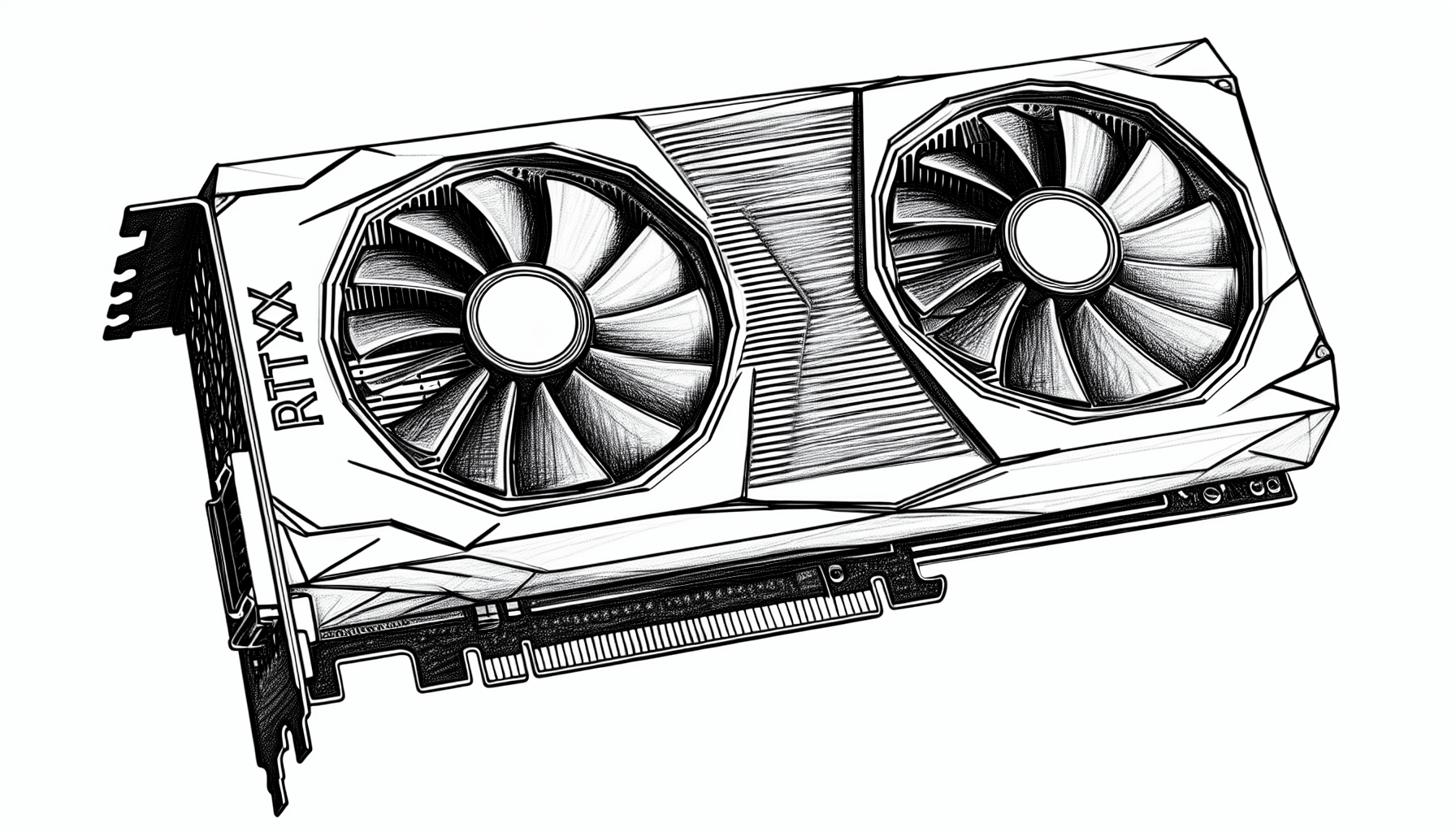
Nvidia RTX 5060 Faces Major Backlash: Is It the End of an Era for Gaming GPUs?
What Went Wrong With the RTX 5060 Launch?
A Deep Dive into the Launch Troubles
Last year, Nvidia was on the verge of releasing their highly anticipated RTX 5060. Expectations were at an all-time high, with gamers eagerly awaiting a new era of performance and graphics capabilities. However, things didn’t go as planned. Instead of accolades, we saw a wave of backlash that left many questioning Nvidia’s future.
The launch of the RTX 5060 brought to light significant driver instability issues. Many users reported inconsistent frame rates, frequent crashes, and other performance-related complaints. It’s like inviting your friends over for a promised epic gaming night and seeing your PC freeze mid-game. We all know how disappointing that can be.
Many of the problems stemmed from Nvidia’s ambitious attempts to push the boundaries of GPU technology. They wanted to deliver a product that was not just a step but a leap forward. The major issues that came after the launch, such as overheating and power consumption problems, were more than just minor hiccups. They felt more like a full-blown disaster.
While other companies like AMD positioned themselves as formidable competitors, Nvidia seemed to be caught off guard, and that shows how they underestimated the complexities involved in the launch. It’s like being a top chef but failing to manage the kitchen when the orders pile up.
Here are some of the key issues that plagued the launch:
- Driver inconsistencies that resulted in performance instability.
- Overheating problems due to inadequate cooling systems.
- Limited inventory that left many eager buyers empty-handed.
In the game industry, user expectations have never been higher. When a brand like Nvidia falters, it leaves room for competitors to swoop in. Gamers often have long memories, and trust can be hard to rekindle. This makes the question of whether we will see a revival in Nvidia’s share of the gaming market in the future particularly pressing.
Remember when AMD launched their Ryzen series? They shook the market by offering quality at a competitive price, which forced Intel to react. Users will migrate if they see performance and reliability elsewhere. The balance can tip quickly, and some may even feel that Nvidia has lost its footing. It’s going to be crucial for Nvidia to not only acknowledge their mistakes but also proactively work towards resolution and trust restoration.
We all want to know, can they bounce back? Can they reclaim their throne in the gaming GPU market? These questions will dominate discussions in the months to come. And as gamers, we should keep an eye on both Nvidia and AMD as they progress and hope that the innovation continues to benefit us all.
Driver Instability and Performance Complaints Explained
When discussing the Nvidia RTX 5060, it’s impossible to ignore the overwhelming criticism surrounding its driver stability and performance issues. Many users have reported various problems since its launch, leading to disappointment among gamers and tech enthusiasts alike. The expectation for new graphics cards is always high, and when they fail to deliver in performance, especially in a competitive market, the backlash can be intense.
The complaints often focus on driver instability evident in unexpected crashes and performance drops during gameplay. Many users express frustration, asserting that these issues overshadow any potential benefit offered by the RTX 5060’s graphical capabilities. A common sentiment among users is a feeling of being let down by Nvidia, a brand usually synonymous with cutting-edge technology and reliability. The performance complaints have led to a decline in Nvidia’s reputation in the budget GPU market, leaving room for competitors like AMD to potentially capitalize on these shortcomings.
The frustration isn’t just limited to gamers but extends to developers as well, as inconsistent driver updates have made optimization challenging. Adapting games to work seamlessly with the RTX 5060 can feel like a moving target. Developers often have to issue patches to rectify problems created by Nvidia’s driver updates rather than enhancing their games, which can lead to a vicious cycle of complaints.
According to numerous forums and social media platforms, users have expressed their disappointment in various forms. It’s become quite common to see threads filled with grievances about overheating issues or excessive fan noise, which can further detract from the gaming experience. Many users are turning to alternative solutions or even older models of GPUs that offer more stability. This shift in consumer preference might signal deeper issues for Nvidia if not prioritized effectively.
In conclusion, the struggle with the Nvidia RTX 5060 reflects a critical point in the GPU market, where performance expectations are at an all-time high. For many, the reality falls disappointingly short, sparking an essential conversation around the reliability of modern GPUs and the importance of consistent driver performance. As AMD prepares to release its latest Radeon offering, how Nvidia addresses these complaints will play a crucial role in shaping the future of its market positioning. It’s essential that they not only resolve these issues but also restore consumer confidence, or they risk losing more ground to up-and-coming competitors.
Can AMD’s Radeon 9060 XT Take the Lead in 2025?
The landscape of gaming GPUs is dynamically changing in 2025, and while the Nvidia RTX 5060 was supposed to be a star player, it’s now facing significant backlash for various reasons. Amidst this turmoil, AMD’s Radeon 9060 XT is emerging as a serious contender, aiming to claim the midrange gaming GPU market. It’s intriguing to see how AMD has positioned itself strategically to make the most of Nvidia’s misfortunes.
AMD’s Radeon 9060 XT seems to be striving for excellence with its robust performance benchmarks and remarkable features, especially at an appealing price point. Gamers worldwide are eager for GPU alternatives that don’t rely on Nvidia’s ecosystem. The Radeon 9060 XT aims to provide better performance with advanced technology and optimized drivers. As Nvidia remains entangled in its driver issues and performance inconsistencies, AMD is hitching its wagon to a more stable and reliable architecture that gamers could trust for their gaming experiences. This trust is crucial, especially in an era when gamers are reluctant to invest in technology marred by issues.
The real question that everyone is asking is whether the Radeon 9060 XT can truly lead the charge against a backdrop of Nvidia’s struggles. With AMD focusing on enhancing customer support and refining its driver updates, the Radeon 9060 XT presents itself as a worthy candidate for gamers looking for stability and value. Ultimately, it will be fascinating to see how this rivalry unfolds in the GPU arena, where innovation and reliability will define success. Could 2025 be the year AMD takes the crown in midrange GPUs? Only time will tell, but the early signs certainly point towards a promising battle.
Will Nvidia Recover Its Grip on the Gaming Market?
In 2025, Nvidia has found itself in a precarious situation. The launch of the Nvidia RTX 5060 GPU has sparked intense scrutiny and criticism from both gamers and industry analysts alike. So, the question lies: will Nvidia be able to recapture its dominance in the gaming market, or is this a sign of a more profound issue?
The backlash against the RTX 5060 isn’t just about performance metrics; it’s rooted in expectations and the evolving landscape of the gaming industry. Nvidia has built its reputation on delivering high-performance GPUs that cater to the needs of hardcore gamers, enthusiasts, and even professionals. However, the RTX 5060’s rocky debut, primarily marred by driver issues, has led many to question whether Nvidia is losing touch with its audience. Many users have reported instability in their graphics settings, hindering the overall experience and leading to frustration.
As gamers begin to explore alternatives, AMD has been strategically positioning its Radeon GPUs to seize the opportunity, particularly in the midrange market. With the recent performance boosts and competitive pricing offered by AMD’s new line of GPUs, consumers might be swayed to choose performance over brand loyalty. This could lead to a significant shift in market dynamics as better cost-performance ratios become crucial in the eyes of buyers.
Ultimately, the recovery of Nvidia’s grip on the gaming market hinges on several factors: addressing the driver issues promptly, re-establishing trust with the community, and innovating in a way that resonates with the modern gamer. If Nvidia can turn this phase of feedback into a catalyst for improvement, they could potentially regain their throne. However, the longer they take to respond, the more ground they risk losing to competitors like AMD, who are aggressively improving their offerings. The ball is now firmly in Nvidia’s court.