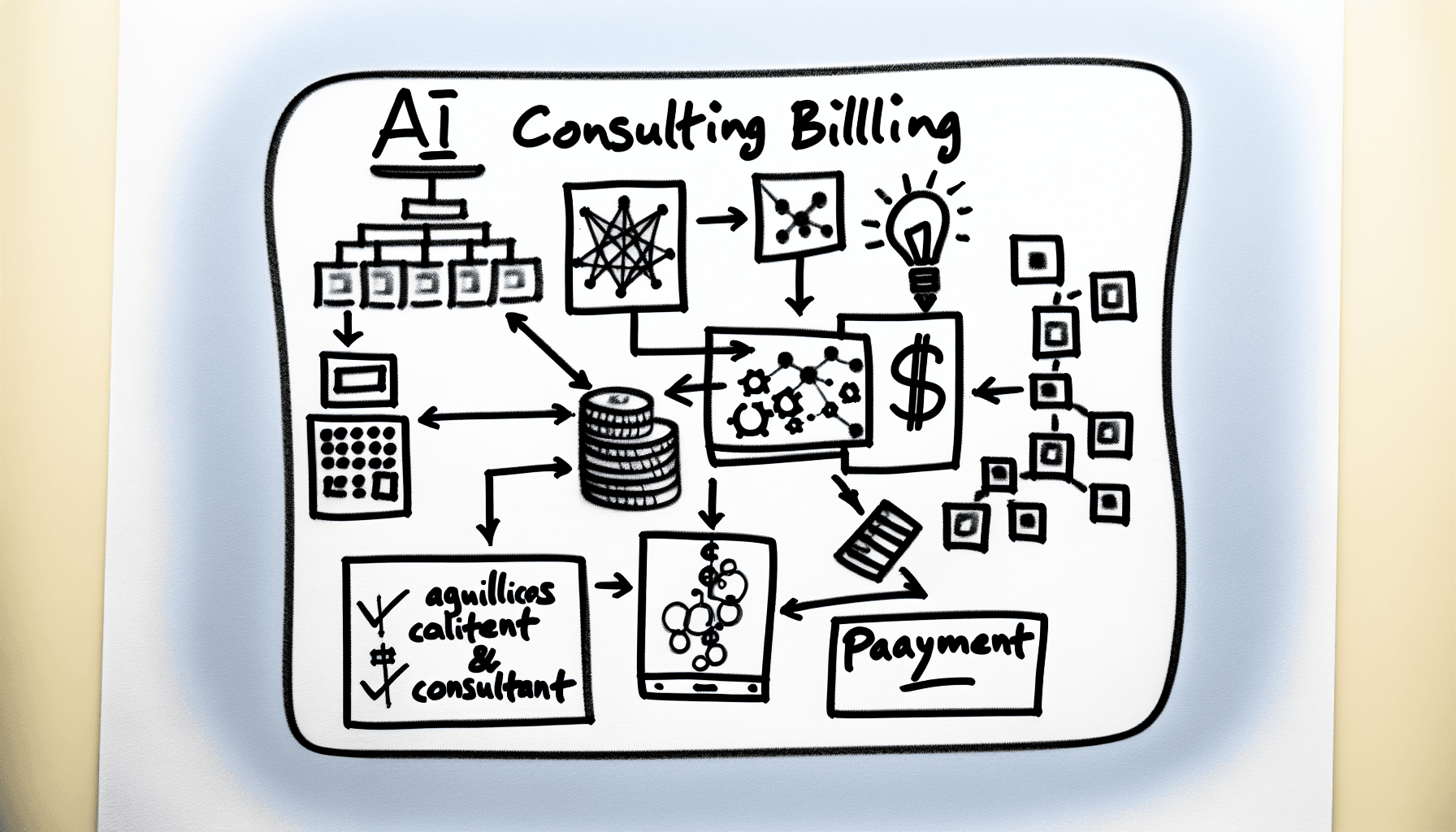
AI-powered consulting billing model disrupting traditional firms in 2025
How AI is reshaping the consulting industry
The Transformation Begins
Artificial Intelligence is fundamentally transforming various industries, and consulting is no exception. As we look toward 2025, it becomes evident that AI is set to revolutionize how consulting firms operate, including billing models, service delivery, and client engagement. Have you ever wondered how technology could reshape traditional consulting practices? It’s a profound shift, and here’s how it’s happening.
One significant area of impact is the AI-powered consulting billing model. Traditionally, consulting firms have relied on billable hours, creating a model that can sometimes incentivize inefficiency. With AI, firms can utilize data analytics to assess the value delivered to clients more accurately, ensuring that they only pay for results rather than time spent. This shift not only improves transparency but also boosts client satisfaction.
In practice, AI tools can analyze client data and project requirements in real-time, enabling consultants to provide tailored solutions swiftly. For instance, imagine consultants using AI-powered software that examines market trends and client needs, which results in actionable insights delivered in a fraction of the time it would take through conventional methods. The result? Enhanced responsiveness and a more dynamic consulting experience.
Moreover, AI contributes to risk mitigation and informed decision-making. AI can sift through enormous amounts of data and provide forecasts that help consultants navigate uncertainties. This predictive capability allows them to identify potential challenges before they arise, positioning them as proactive partners instead of reactive problem-solvers.
As we venture further into the AI era, the consulting industry is also seeing the emergence of specialized AI Pods. These are essentially teams or units focusing on specific AI-driven projects, thus enhancing collaboration and efficiency. By concentrating expertise within these pods, firms can leverage shared insights and accelerate innovation.
This adaptation of AI isn’t merely about technology—it’s about altering the culture within consulting firms. Teams will need to embrace a mindset of continuous learning and agility to keep up with the rapid changes brought by AI innovations.
In conclusion, the consulting landscape is undergoing a seismic shift due to AI advancements. Firms that adapt quickly to new billing models and leverage AI capabilities will thrive, while those clinging to outdated practices may find themselves struggling to keep up. It’s an exciting, albeit challenging, time for the industry, and I’m curious to see how these transformations will unfold in the coming years.
Why token-based pricing beats billable hours
In the consulting industry, the transition from traditional billable hours to token-based pricing is not just a trend; it is a paradigm shift. Companies like Globant are at the forefront of this transformation, leveraging AI to create more flexible and transparent pricing models. This approach not only enhances profitability for consulting firms but also aligns better with client expectations. Clients are increasingly demanding clear value for their investments and with token-based pricing, they can purchase tokens that can be traded for specific deliverables or outcomes. This aligns incentives for both parties, promoting a focus on actual results rather than time spent.
The effectiveness of token-based pricing can be illustrated by its inherent flexibility. Unlike billable hours, where the focus is on the time an employee spends on a project, tokenized models provide a clear framework for clients to only pay for what they need. This encourages consulting firms to work more efficiently since their remuneration is based on outcomes—not just time. Furthermore, AI-powered consulting billing models can forecast needs and allocate resources optimally, reducing waste and improving service delivery. With advancements in technology and predictive analytics, firms can analyze client needs more accurately, tailoring their approach and ensuring they maintain competitive advantages in this rapidly changing landscape.
The rise of AI Pods and streaming engineering
As we dive into the era of rapid technological transformation, it’s essential to recognize the profound impact that artificial intelligence (AI) is having on various industries. One of the most exciting developments in this domain is the emergence of AI Pods and streaming engineering. This innovative approach marks a significant shift from traditional consulting methods, introducing dynamic and fluid solutions to meet the demands of a fast-paced digital landscape.
AI Pods are specialized teams that harness the power of AI algorithms and applications to deliver unique solutions tailored to client needs. Gone are the days when consulting was solely about billable hours or hourly rates. Instead, AI Pods operate on an output-driven model that prioritizes results and efficiency. By utilizing advanced machine learning techniques and automation, these teams streamline processes, optimize workflows, and enhance productivity for enterprises. The focus is on value delivery rather than time spent, paving the way for a more productive and agile consulting environment.
Streaming engineering complements this approach by allowing teams to deploy updates and improvements continuously. This methodology emphasizes rapid prototyping, feedback loops, and real-time collaboration. It’s akin to how we consume media; content is delivered as needed, rather than waiting for a full season to be released. This model resonates with clients who seek immediate results and adaptability in a world that’s constantly changing. With AI Pods and streaming engineering, businesses can leverage real-time data to make informed decisions swiftly, ultimately driving growth and innovation.
What this means for the future of enterprise services
As we stand on the verge of a significant transformation in enterprise services, it’s hard not to be curious about what the future holds. Traditionally, companies operated on a model of billable hours, where consultants charged clients based on the time spent on projects. However, this is rapidly changing, thanks to innovative approaches like **Globant’s AI-powered consulting billing model**, which introduces subscription models and tokenized pricing.
The shift towards subscription-based services presents numerous benefits. For one, it allows companies to budget more effectively, as they can anticipate expenses rather than facing unexpected increases. Secondly, the focus shifts from merely logging hours to delivering value and output, which is crucial in today’s fast-paced business environment. This could foster a more productive and innovative atmosphere in enterprise services, where results are prioritized over the number of hours worked.
Imagine a world where organizations are no longer held hostage by hourly rates and endless meetings to justify billable time. With the advent of tokenized pricing, clients would pay for specific deliverables and outcomes. This not only increases transparency but also encourages service providers to up their game and ensure they are delivering real value. It initiates a true partnership between service providers and clients, built on shared goals and accountability.
As we look forward to 2025 and beyond, it’s clear that such revolutionary changes will redefine how enterprise services operate. The traditional models might soon seem archaic, making way for dynamic and adaptive strategies that better meet the needs of businesses. Enterprises that embrace these changes will be at the forefront of a new era, reaping the benefits of improved efficiency, innovation, and collaboration.
What does the AI-powered consulting billing model mean for traditional firms?
The shift towards AI-powered consulting models will challenge traditional firms to rethink their value proposition. They will need to either adopt similar models or risk being left behind.
How can enterprises prepare for this change?
Enterprises should start by educating themselves about these new models, invest in technology, and be open to restructuring their consulting engagements towards a more outcome-based approach.
In conclusion, the future of enterprise services is indeed promising, and with the rise of AI-based billing models and subscription services, we are witnessing a paradigm shift. Organizations that adapt to these changes will likely see enhanced collaboration and efficiency, paving the way for long-term success. Does this mean traditional consulting firms are facing extinction? Not necessarily, but they must evolve and innovate to meet the changing demands of the market.
#enterprise #services #AI #consulting #future