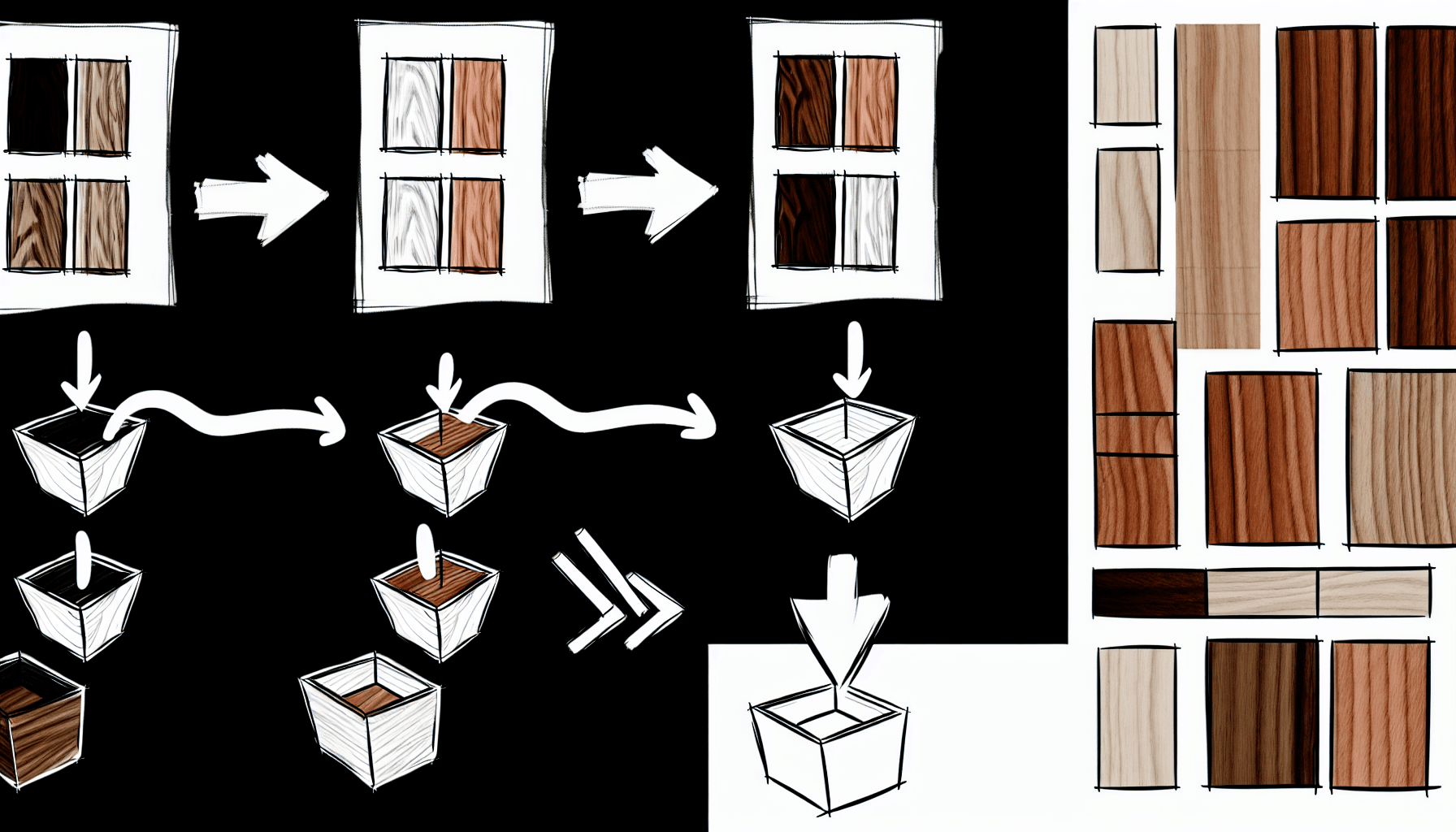
How to Mix Wood Tones for a Sophisticated Look Without Overthinking It
Establish a Dominant Wood Tone to Anchor Your Space
When it comes to interior design, one of the most crucial elements is the use of wood tones. Establishing a dominant wood tone is vital as it serves as the foundation for your entire space. It can influence the mood, style, and overall appeal of a room. But, how do you select this dominant tone without feeling overwhelmed?
First off, there are various types of wood finishes you can choose from, such as oak, walnut, maple, or cherry. Each wood type brings its unique personality and aesthetic. For instance, oak tends to be warm and inviting, while walnut gives off a more sophisticated vibe. Understanding these subtleties can guide you in choosing the right tone for your home.
You might be wondering, ‘Should I stick with one type of wood throughout?’ The answer is not necessarily! Mixing wood tones is a trend that can create depth and visual interest. The key, however, lies in establishing a dominant wood tone to anchor your space. This dominant tone should be the most prevalent wood in your room, influencing the selection of other complementary wood tones that enhance rather than clash with it.
Once you have selected your dominant tone, consider the undertones present in the wood. For example, if you have chosen a warm oak, pairing it with lighter woods that have similar warm undertones helps create a seamless flow. On the other hand, cooler tones can work beautifully for sharp contrast, as long as the overall balance is maintained.
To get started, take the following steps:
One common mistake to avoid is not considering the scale and shape of your furniture. If you opt for a chunky wooden dining table, pairing it with delicate wooden chairs can create an imbalance. Thus, it’s crucial to have a visual equilibrium in your selection. Pay attention to the finishes too! A glossy finish can contrast with a matte finish, creating tension rather than harmony.
Finally, don’t shy away from accessorizing. The right accessories can tie in your wood tones beautifully and bring the entire look together. Consider adding throw pillows, rugs, or artwork that feature your established tones, enhancing your space’s overall design.
In summary, establishing a dominant wood tone not only anchors your space but serves as a guide for selecting additional wood tones. It helps create a harmonious and sophisticated interior design.
Balance Contrast and Undertones for Visual Harmony
When it comes to interior design, the interplay of different wood tones can truly transform a space. Have you ever walked into a room and felt an immediate sense of warmth? That’s often due to how expertly the wood tones are mixed. In this article, I want to share my insights on how to mix wood tones effectively to create a unified yet dynamic aesthetic. Here are some tips and tricks you might find useful!
Understanding Wood Tones
Mixing wood tones involves more than just throwing different shades together. It’s about achieving a balance between contrast and undertones. Each wood type has its unique hue, grain pattern, and warmth, which can either clash or complement one another. When planning your space, consider how these elements interact. For instance, pairing a light oak with a dark walnut can create a striking contrast, but if the undertones clash—say, warm tones against cool ones—it can lead to visual discord.
Tips for Successful Mixing
- 1. Identify a Dominant Wood Tone: This will anchor your space and provide a base upon which to build.
- 2. Use Natural Light to Your Advantage: Natural light changes how wood tones appear, so consider this when selecting your palette.
- 3. Integrate Textures and Accessories: Layering textiles can help blend wood finishes and create cohesion.
Ultimately, the key to mixing wood tones lies in understanding their characteristics and how they interact within your space. It’s also about personal preference; what feels harmonious and aesthetically pleasing to you is what truly matters.
Final Thoughts
Trust your instincts. Mixing wood tones is an art that may take some trial and error. You might find that an unexpected combination works beautifully, creating a space that feels both warm and curated. Remember, interior design is a reflection of your style, so have fun experimenting with wood tones!
Mixing wood tones can set the foundation for a beautiful interior. Don’t be afraid to play around and find what works best in your space.
Layer with Strategic Accessories and Natural Materials
Mixing different wood tones in interior design is a delightful challenge that can transform your living space into a harmonious and stylish environment. While you may think that wood tones must match perfectly, the beauty lies in their subtle differences and how they interact with one another. The true secret? Layering with strategic accessories and natural materials. This approach not only highlights the unique characteristics of each wood grain but also adds depth and personality to your interior design.
Have you ever walked into a room and felt an instant sense of warmth and comfort? It’s often because of a well-thought-out combination of materials, textures, and colors. By incorporating accessories made from natural materials like cotton, linen, jute, and rattan alongside varying wood tones, you create an inviting space that feels both curated and lived-in. For example, a light oak table paired with dark walnut chairs can be beautifully complemented by woven baskets or a jute rug. These elements provide a grounding effect that brings everything together.
Don’t underestimate the power of color when mixing wood tones, either! Adding pops of color through decorative pillows, artwork, or even an accent wall can create visual interest while maintaining a cohesive look. It’s all about balance. Using greenery in the form of potted plants or fresh flowers can also enhance the natural vibe, blending perfectly with the wood tones and accessories in your space. Remember, when you layer with carefully selected accessories and natural materials, your home evolves into a true reflection of your personality!
Wrap-Up: Create a Cohesive Interior That Feels Intentional
Creating a cohesive interior that feels intentional is not just about selecting furniture or arranging your decor. It’s about how all the elements work together in harmony to create a space that truly reflects your style and feels inviting. One of the most effective ways to achieve this is by mixing different wood tones thoughtfully. When done right, mixing wood tones can create a layered, sophisticated look that is visually pleasing and richly textured.
To begin with, it’s essential to establish a dominant tone for your room. This decision serves as the foundation upon which you can build other elements. For instance, if you prefer a lighter wood tone as your base—like oak—you can choose darker wood accents such as walnut for furniture or accessories. This contrast creates depth and interest in your space, but the key is balance. You *really* want to ensure that your chosen wood tones complement rather than clash with each other. It can feel overwhelming, but it’s all about intuition and a bit of experimenting.
Next, consider the overall aesthetic you are aiming for. Is it more rustic, modern, minimalist, or traditional? Each style may call for different wood tones. A rustic look might embrace a mix of reclaimed wood and deep-stained woods, while a contemporary design could involve lighter, cleaner woods combined with sleek finishes. Always remember to incorporate various textures as well—perhaps a soft fabric sofa against a wood accent wall or a chunky knit throw on a wooden armchair. These textures not only add to the aesthetic appeal but also create a homey vibe, making your space feel curated and lived-in.
Lastly, accessorizing with purpose can tie everything together. Think about layering in additional elements like metal decor, natural fibers, or even plants. Greenery can soften the look of wood and add a refreshing element to any room. You may find that a singular color palette can unify various wood tones—perhaps various shades of brown, cream, or gray. Creating ambiance with the right lighting can also accentuate the beauty of wood textures and tones. You might choose warm-toned light bulbs to enhance the warmth of your wooden pieces. All these tips help in crafting an interior that feels intentional and inviting. Enjoy the journey of mixing wood tones to create a space that not only looks good but feels deeply personal.