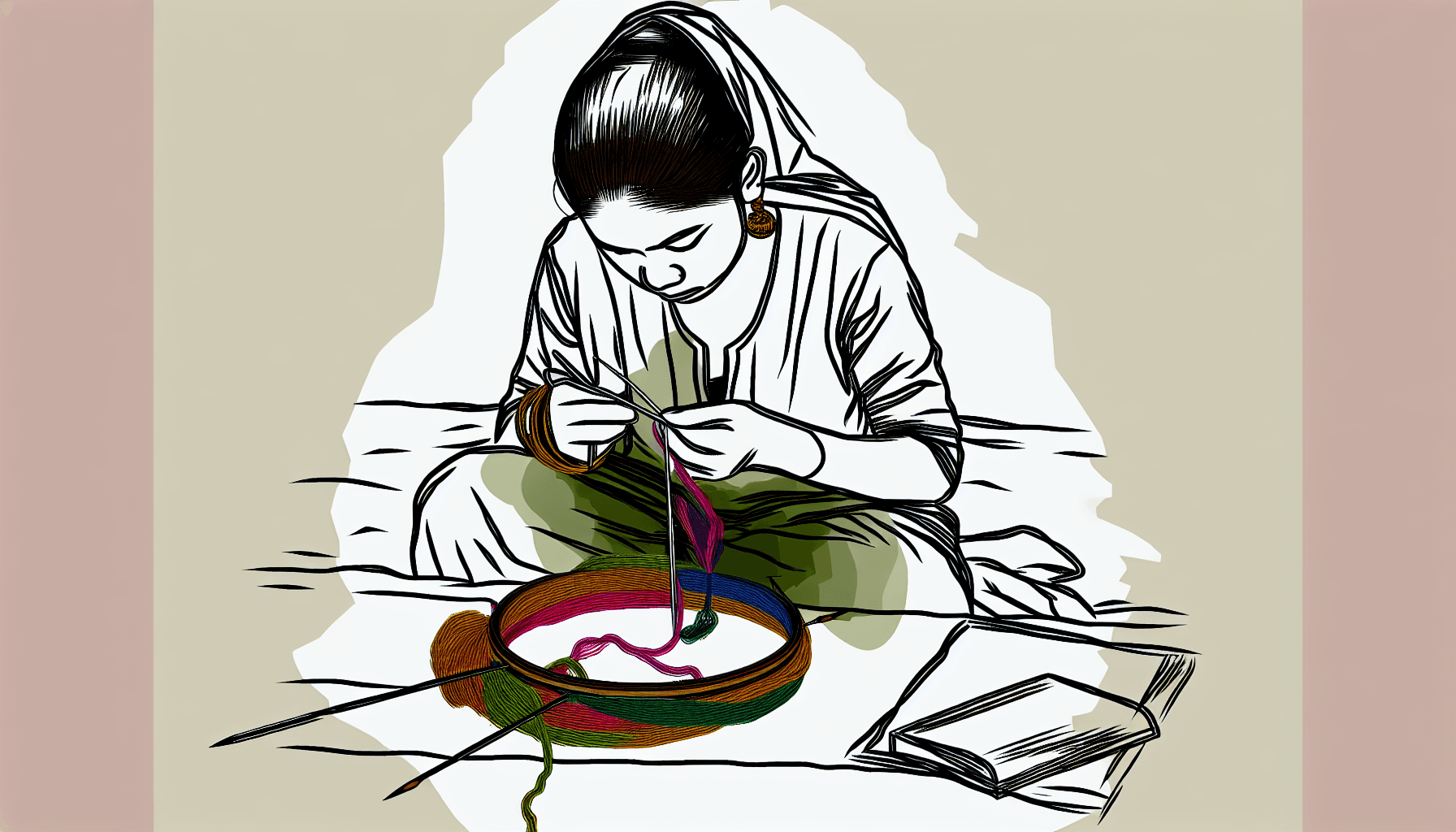
The Girl with the Needle Review: A Haunting Mirror to Motherhood and War
Exploring Trauma and Identity Through Cinematic Mirrors
This exploration begins with the acknowledgment that cinema serves as a reflective surface for our understanding of trauma and identity. The emotional landscapes narrated through films often mirror our real-life experiences, especially ones related to war and motherhood. The Girl with the Needle emerges as a poignant example of how cinematic narratives can unravel complex emotions tied to maternal instincts and the ravages of conflict.
To illustrate how trauma shapes identity, it’s crucial to consider how stories intertwine personal experiences with broader societal issues. For example, how does a mother’s trauma from war influence her relationship with her children? The intricate dance between personal identity and collective memory is essential to understanding contemporary cinematic portrayals. In these narratives, we can find familiar threads that connect various forms of trauma to identity crises that many individuals face today.
The powerful visuals displayed in films often serve as a catalyst for audiences to confront their own experiences of trauma. Ideas of sacrifice, loss, and resilience emerge vividly, prompting viewers to reflect on their identities amidst chaotic circumstances. In viewing films, we not only witness the trauma of others but also engage in a collective healing process, acknowledging our wounds while discovering new narratives of resilience.
As we delve into these cinematic experiences, it becomes evident that the representations of trauma serve as collective mirrors reflecting who we are and who we can become. Ultimately, the journey through these narratives urges us to confront our realities, reshaping our identities through the lens of shared trauma.
Karoline’s Journey: From Victimhood to Moral Crisis
In the haunting narrative of Magnus von Horn’s The Girl with the Needle, the character Karoline embodies a gripping transformation from a position of victimhood into the depths of a moral crisis. This journey is intricate, layered with trauma and societal decay that mirrors the tumultuous landscape of post-WWI Copenhagen. Through evocative cinematography, we are invited to witness how her identity struggles against the harsh realities of a disintegrating world, reflecting not only personal suffering but also the broader social malaise.
As we delve deeper into Karoline’s story, it becomes evident that her character is shaped by external forces that provide a canvas for her internal turmoil. Karoline, initially portrayed as a pawn in a heartbreaking tale of survival, begins to confront her own complicity in the cycle of despair that surrounds her. This nuanced exploration takes us through a maze of ethical dilemmas, forcing the audience to question not only Karoline’s choices but also the moral fabric of the society she inhabits. It provokes a critical reflection on the notion of morality in a world ravaged by war, where survival often necessitates compromising one’s values. The film uses striking visual metaphors to symbolize Karoline’s shifting identity, emphasizing that her journey is not just one of personal trauma but a broader commentary on the human condition in the face of catastrophic change.
Dagmar Overbye and the Fairy-Tale Horror of Real History
Imagine a world where reality intertwines with the grotesque charm of fairy tales—a world defined by the haunting figure of Dagmar Overbye, a notorious maternal figure in Denmark’s history. In a cinematic exploration of Magnus von Horn’s ‘The Girl with the Needle,’ we delve deep into the psyche of motherhood, trauma, and the remnants of societal decay. Set against the backdrop of post-WWI Copenhagen, this film crafts a story that challenges our perceptions of history through an unsettling yet poetic lens.
The haunting narrative of Dagmar Overbye unfolds initially as a fairy-tale horror story, where innocence is juxtaposed with bitter realities. As we watch Karoline’s character grapple with her moral dilemmas, it forces us to rethink the narratives we’ve held on to. The film reimagines Overbye not just as a murderer but as a tragic figure caught in the throes of despair and madness—motherhood, breeding both love and horror. Just like the tales we grew up hearing, there is a profound sorrow and hidden darkness veiled beneath the surface.
In a twisted way, it reaches into our own experiences with maternal roles and societal expectations, echoing our own fears and traumas.
Yet, in this chaos, the film draws us into a reflective state, prompting questions not just about the character of Overbye, but also about the societal constructs that allowed such horrors to manifest. It is a chilling reminder of the monsters that lurk in the shadows of our history—remnants of pain and disillusionment, echoing through the corridors of time. The film does not merely tell the story of a mother who became a murderer; it reveals the depths of human trauma that can lie beneath a facade of domestic tranquility. Much like a fairy tale gone wrong, it serves as a poignant critique of a society struggling to heal. The question lingers—can redemption exist in a broken world? Magnus von Horn’s portrayal doesn’t just leave us with answers; rather, it invites us to reflect deeper on our own narratives, our own roles within the fabric of society.
Final Reflections: Can Redemption Exist in a Broken World?
After watching Magnus von Horn’s ‘The Girl with the Needle’, one can’t help but question the very fabric of our existence. The film delves deep into the psyche of motherhood, trauma, and societal decay, leaving viewers with a haunting sense of despair. But in this darkness, is there room for redemption? Can hope truly flourish amid chaos and despair, or is it a fleeting illusion?
Exploring the essence of redemption in a world shattered by the aftermath of World War I, particularly in Copenhagen, we are confronted with the brutal display of human emotions and societal neglect. The narrative encourages us to reflect on our own lives; how often do we emerge from our personal traumas seeking salvation? When faced with overwhelming challenges, can we find the strength to rise again or do we succumb to the weight of our misfortunes? Those moments of silence – those broken pieces of our lives – often seem to hint that we might just be lost.
In the face of despair, the film reminds us of one poignant fact: redemption may not mean a complete resolution of our struggles. Rather, it may exist in the acceptance of our reality, in the little moments we choose to cherish and the connections we seek to create. Perhaps it’s embedded in the act of simply deciding to move forward, despite the heartaches. So, as we ponder the possibilities of hope lingering in the corners of our shattered selves, we must ask—?
Will we allow our scars to dictate our futures?