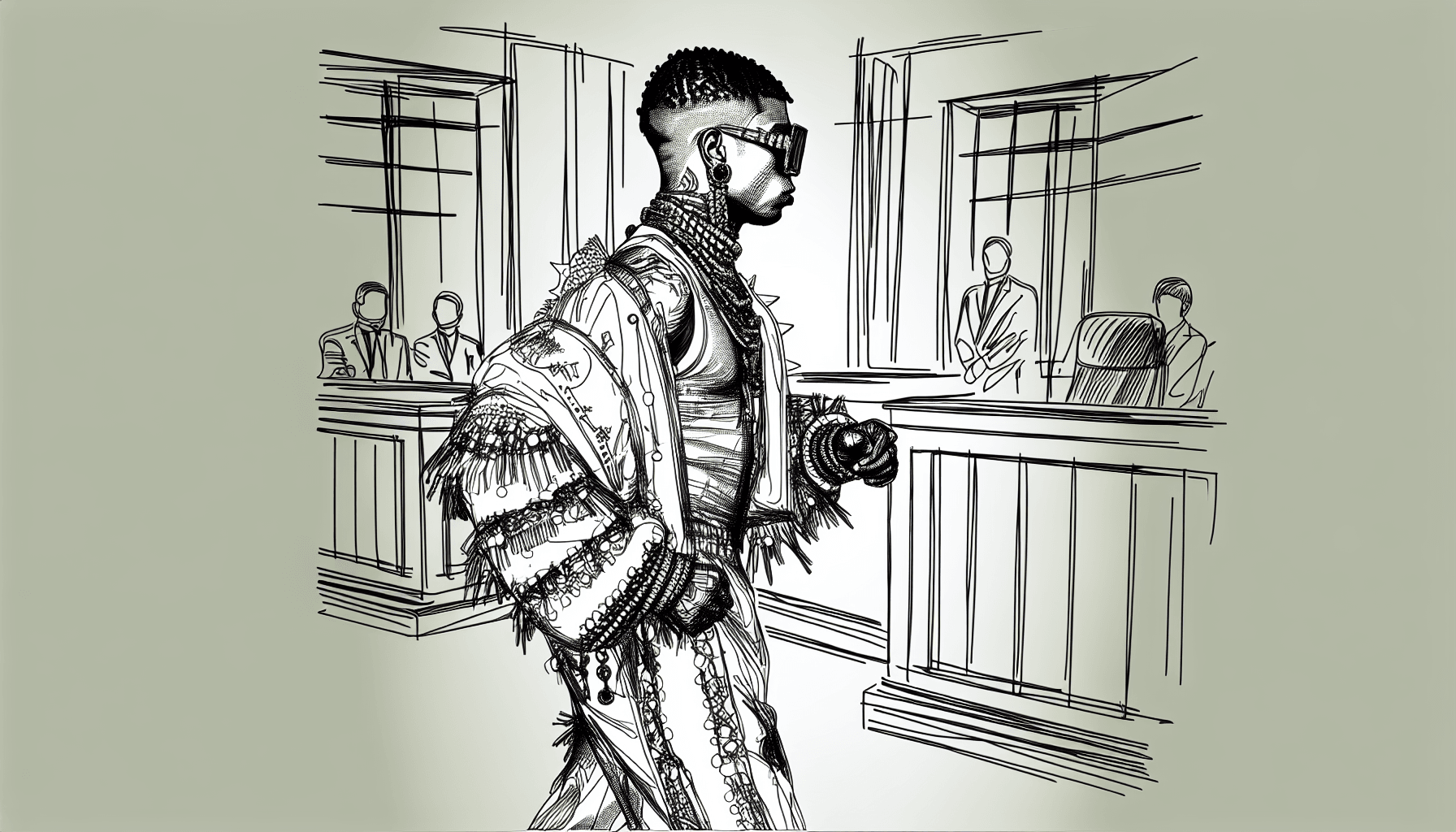
Kanye West courtroom access 2025: What Changed and Why It Matters Now
Ye’s Changing Legal Status and Public Appearances
Kanye West, known by his stage name Ye, has seen a whirlwind of changes in his legal status over the years. As of 2025, the landscape surrounding his courtroom access has transformed drastically, and it is crucial to understand the implications of these changes. Being a prominent figure in the entertainment industry, Ye’s every move garners attention and speculation. So, what exactly has changed?
Ye’s previous legal issues, ranging from contract disputes to personal matters, have contributed to a complex narrative. His shifting legal status not only impacts him personally but also places him under a spotlight that can influence public perception. In recent years, Ye has actively sought to shift the narrative by appearing in courtrooms more frequently and addressing controversies directly. This public approach signifies a notable change from his earlier strategies.
In 2025, his courtroom access means more than just attendance; it symbolizes a broader effort for transparency and accountability. Ye has leveraged his celebrity status to initiate conversations about mental health, cancel culture, and artistic freedom. The courtroom has become a platform for him to assert his voice and challenge the legal system that has often marginalized black artists.
His appearances are often accompanied by public statements, emphasizing his desire to remain a relevant figure within both the music industry and social conversations. However, such exposure also brings with it heightened scrutiny. Media outlets and fans alike dissect every action and word, turning each courtroom appearance into a spectacle. In fact, the media coverage surrounding Ye’s legal matters provides valuable insight into the intersections of fame, artistry, and the legal system.
The changing dynamics encapsulate a broader phenomenon where celebrities leverage their visibility to influence cultural dialogues. Kanye’s legal journey shows how personal matters can seep into public discourse, prompting discussions about entertainment law, mental health issues, and the intricate relationships artists maintain with their audiences.
As we explore Ye’s unique case, it’s essential to recognize the intertwining of personal freedom, legal access, and the impact of public appearances on his career trajectory. Each courtroom visit is a calculated step towards shaping his legacy in a way that refuses to conform to conventional narratives. While navigating these challenges, Ye continues to redefine what it means to be both a celebrity and an artist in today’s climate.
Furthermore, it is vital to consider how his presence in such a significant space challenges traditional perceptions of authority and accountability.
In summary, Ye’s evolving legal status and public appearances hint at a newfound direction for celebrity engagement in sensitive matters. The intricate relationship between his personal experiences and public perception will continue to captivate audiences as we approach 2025. As the complexities of celebrity culture unfold, it becomes abundantly clear that individuals like Ye are not merely entertainers; they are complex figures navigating fame, art, and the law.
Inside the Diddy Trial: Guest List, Rules, and Access
Kanye West, perhaps one of the most notable names in the entertainment industry, is officially confirmed to attend Sean “Diddy” Combs’ trial in Manhattan. The inclusion of West on the guest list not only raises eyebrows but also unfolds new discussions about courtroom access rules, especially around high-profile trials like this one. With new regulations set to take effect in 2025, the atmosphere in the courtroom could change dramatically, particularly concerning who can be present to witness such a highly publicized event.
This shift in access rules is significant for several reasons. First and foremost, it reflects the evolving nature of how the legal system accommodates celebrity presence. In the past, the courtroom has been a space where the public and media often collide, leading to chaotic scenes when celebrities are involved. However, as legal processes adapt to the digital age, there is a pressing need for structured protocols that maintain the integrity of the courtroom while also making it more accessible to the public. The decision to allow Kanye West into the courtroom could be a bellwether for future celebrity trial appearances and how they are managed. The implications of these changes may extend far beyond this single trial, influencing how other celebrities engage with the judicial process in the coming years.
The rules governing courtroom access, especially in the context of celebrity trials, remain fluid and subject to change. In 2025, as updated guidelines come into play, we may see a shift in how these high-profile trials unfold, particularly in terms of spectator composition. An interesting question arises: What do these changes mean for the general public’s right to observe the trials that captivate the nation? Balancing the rights of individuals to have their trial observed, while maintaining the dignity of those involved, will be a significant challenge moving forward. As we await the unfolding of these historic trials, it will be fascinating to see how the presence of Kanye West and others might reshape courtroom dynamics.
Public Reactions to Ye’s Courtroom Return
The recent announcement that Kanye West will officially attend Sean “Diddy” Combs’ trial in Manhattan has ignited a whirlwind of reactions from the public. Social media platforms are buzzing with a wide range of opinions, showcasing that people’s feelings are as diverse as the artist himself. Some fans are excited to see Ye back in the spotlight, while others express concern about what his presence could mean for the trial and its implications on celebrity culture in general.
Many fans have taken to platforms like Twitter and Instagram to voice their anticipation. One common sentiment shared in posts is how Ye’s participation in high-profile events seems to shine a light on the intricacies and drama of celebrity trials. While some see this as merely a spectacle, others argue it emphasizes the expansive reach and influence of celebrities in the judicial system. It raises questions about the integrity of legal proceedings and whether the presence of a prominent figure like Kanye West can sway public opinion or even affect the outcomes of trials.
On the flip side, there are significant concerns regarding the media frenzy that often surrounds such events. A number of critics have voiced worries that Ye’s courtroom return might overshadow the gravity of the trial itself. There is a fear that the events may turn into a tabloid circus, diverting attention from the actual legal issues at hand to the latest headline-grabbing antics of a celebrity. As discussions unfold, many ask whether it is appropriate to blend the worlds of entertainment and law so casually, since it could risk undermining the serious nature of judicial processes.
What Kanye’s Presence Signals for Celebrity Trials
Kanye West, one of the most talked-about figures in the entertainment industry, has been a magnet for public attention due to his music, fashion, and, of course, his controversial statements. His presence at high-profile events, especially trials, typically draws massive media coverage. With his recent announcement that he is officially on the guest list to attend Sean “Diddy” Combs’ trial in Manhattan, the implications of his presence stir significant discussions. What does Kanye’s involvement mean for celebrity trials, especially looking towards 2025?
Historically, celebrity appearances in court can affect the general public’s perception of a trial’s fairness, often overshadowing the legal proceedings themselves. When a public figure like Kanye attends a trial, it inevitably alters the dynamics of media coverage, leading to a potential frenzy that may impact judicial outcomes. As we approach 2025, we might see more stringent guidelines on courtroom access involving celebrities. This could create a new standard for appearances, accountability, and a focus on the justice system over media spectacle.
It raises questions regarding the fairness of trials. Are these proceedings about justice, or do they become showcases for celebrity culture? The attention surrounding these trials often leads to scrutiny of the legal system and its capabilities to maintain impartiality.
Moreover, Kanye’s participation might set a precedent for future celebrity trials. If celebrities consistently grace courtrooms, it could lead to a scenario where their legal obligations are overshadowed by their fame. Therefore, we must consider what Kanye’s presence in the courtroom will mean not just for Diddy’s trial, but for future cases involving public figures. Will courts need to adapt to these new audience dynamics, and if so, how?
Kanye West courtroom access 2025: This adjustment could invite a plethora of lawsuits concerning the validity and credibility of trials involving celebrities.