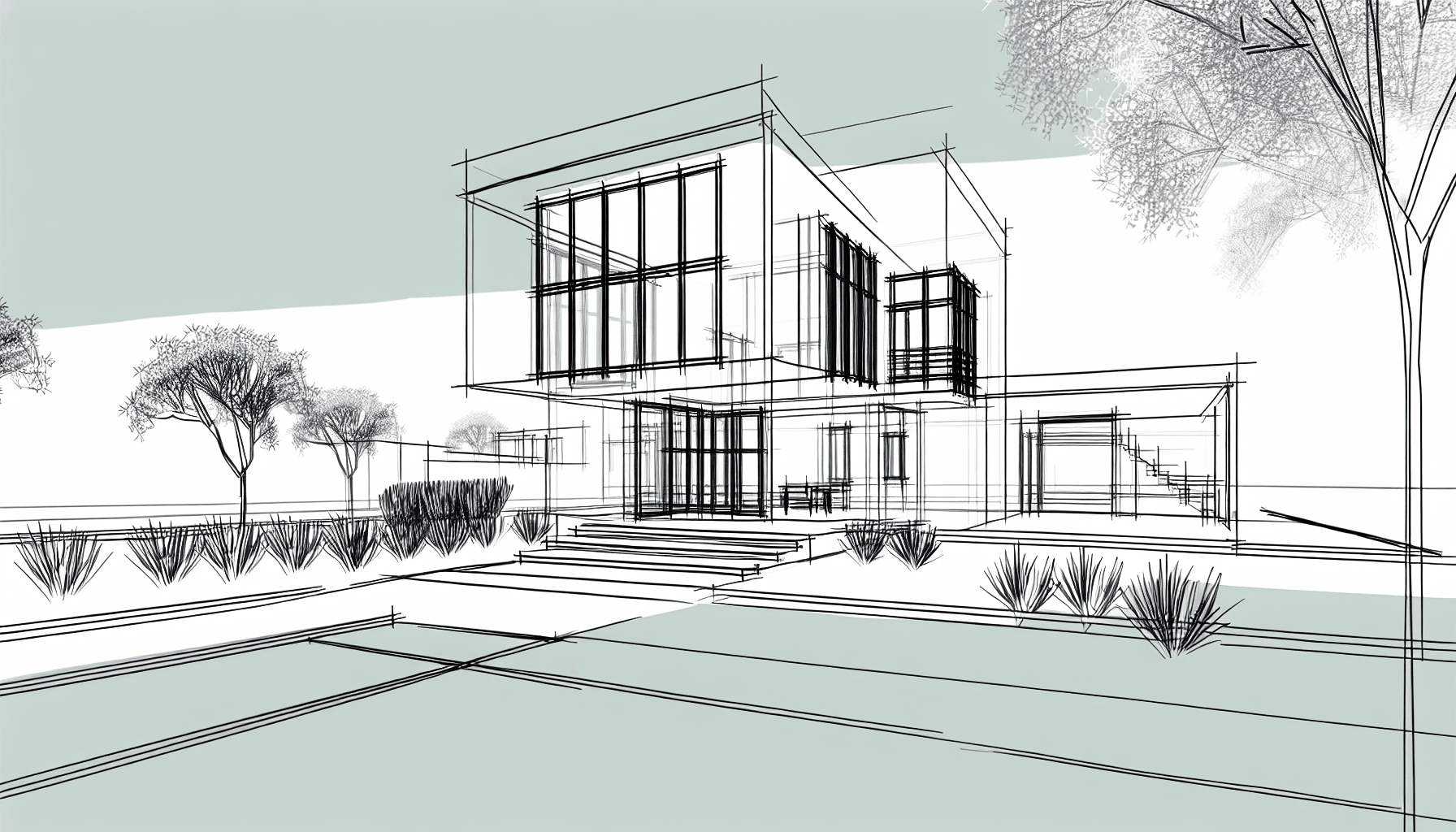
modern family home architecture: How Light, Craft, and Nature Shape Emotional Spaces
Designing for Harmony: Blending Indoor and Outdoor Living
It’s a fascinating thought, isn’t it? The concept of blurring the lines between indoor and outdoor living has become more than just a trend; it’s a movement that caters to our inherent need to connect with nature and create harmonious spaces. The fusion of indoor and outdoor environments allows families to experience nature from the comfort of their own homes, changing the dynamics of modern family life. Imagine stepping out of your kitchen onto a garden patio, where the boundaries of your home blend seamlessly with an outdoor oasis. This approach to architecture reflects a deeper understanding of space and form in modern family home architecture.
This style aims to create an inviting atmosphere that promotes well-being and enhances emotional connections among family members. It’s designed for enjoyment—morning coffee accompanied by the gentle sounds of nature or children’s laughter carrying through an open window. Therefore, the design of these spaces becomes crucial. Elements like large glass sliding doors, expansive windows, and screened-in porches bridge these environments effectively.
When engaging with nature, we feel calmer and more grounded. Designers are embracing this sentiment, leveraging natural materials and colors that reflect the outdoor surroundings, seamlessly integrating them into the interior. This approach does not only beautify the architecture but also positively impacts our mental health. With such integration, indoor spaces become extensions of the outdoors that resonate with light, air, and nature.
Moreover, the use of natural light plays a pivotal role in enhancing this harmony. It creates a lively atmosphere that brings vitality to the home. With every sunrise illuminating the kitchen or soft golden light cascading through the living room, we experience our spaces in a more vibrant and dynamic way.
“Architectural harmony is achieved when the indoor and outdoor environments tell a cohesive story, crafting not just a dwelling, but a lifestyle.”
-
Indoor-outdoor flow increases the perception of space. -
Natural materials enhance connection with the environment.
Considering weather variations is essential when designing these spaces. Outdoor elements should account for resistance to the elements.
Integrating greenery not only beautifies but also improves air quality. Consider outdoor gardens, potted plants, and natural landscaping.
By focusing on crafting these experiences, architects can enhance the livability of homes, promoting joy, spontaneity, and family bonding. The design should embody a life well-lived, one that embraces nature, laughter, and cherished moments spent together. Ultimately, blending indoor and outdoor living paves the way for enriched emotional experiences within our everyday urban lives.
This type of architecture reflects a cultural shift rather than just a stylistic preference. As we move forward, let’s embrace this harmonious blend that not only defines our spaces but also shapes the quality of our lives within them.
The Role of Natural Light in Enhancing Architecture
Have you ever walked into a room and felt that sudden rush of warmth and energy just because of the sunlight streaming through the windows? Natural light has this incredible ability to transform any space, creating an atmosphere that feels inviting and alive. It is no wonder that modern architects are tapping into the power of natural sunlight to redefine residential architecture. In fact, a modern family home architecture in Portland serves as a prime example of how natural light can enhance not just the aesthetic appeal but also the emotional experience of living in a space.
Illuminating Spaces with Purpose
Natural light does more than just brighten a room. Its ability to alter the mood and ambience of a space is profound. Studies have shown that exposure to natural light can boost productivity, enhance mood, and even improve physical health. Imagine working from a home office flooded with sunlight; it’s easy to see how such an environment can motivate and energize you compared to a dimly lit room.
For the Portland home, architects utilized large windows and skylights to draw light into every corner of the house. This thoughtful design not only amplifies the beauty of the interior but also fosters an emotional connection with nature outside. It creates a seamless transition between indoor and outdoor living, allowing residents to experience the changing light throughout the day, which can be incredibly soothing and grounding.
Emotional and Aesthetic Enhancements
The aesthetic advantages of natural light cannot be overstated. Sunlight brings out the rich colors and textures of materials used in home design. Whether it’s the grain of the wood flooring or the hues of the tile backsplash, sunlight elevates these features, enhancing the overall visual experience. While artificial lighting can simulate some effects, it lacks the warmth and dynamic changes that daylight provides. In a home like the one in Portland, the carefully placed windows allow light to play throughout the day, fostering an environment that feels alive as shadows dance and shift on the walls.
Incorporating natural light into home design goes beyond just having large windows; it involves a deep understanding of how light interacts with space. Architectural choices like overhangs, window orientation, and even room layout can greatly influence how light fills a space.
Timeless Design Principle
So, as we continue to explore the integration of natural light in architecture, it’s clear that its value extends far beyond aesthetics. The uplifting effects it has on our wellbeing and the emotional warmth it brings can transform a house into a home. It’s a timeless design principle that resonates across cultures and generations. As we look toward the future, let’s embrace these lessons and create spaces where people can thrive, empowered by the natural world around them.
Crafting Moments of Delight Through Material and Whimsy
When it comes to modern family home architecture, the enchanting interplay of material selection and whimsical design can dramatically enhance a living space. You know, it’s those little details—like the way a light fixture shapes the ambiance or how a staircase leads to unexpected nooks—that truly bring a house to life. My experience with design has taught me that homes are not just structures; they embody the spirit of those who inhabit them.
Let’s face it, we all crave spaces that surprise us and foster a sense of wonder. One moment, you’re gazing at a cozy reading nook draped in rich fabrics, the next, you stumble across a clever sculpture made from reclaimed wood that brings a smile to your face. This delightful juxtaposition of form and function often plays out in innovative homes across the world, showcasing an infectious creativity that’s hard to ignore.
While visiting a newly built home in Portland, I was captivated by how such materials not only help define spaces but also create opportunities for connection—between family members and the natural world. Large windows framed views of lush gardens, making the home a living canvas that changes with the seasons.
Why Meaningful Architecture Starts With Emotional Connections
When we think about architecture, especially modern family home architecture, one of the core aspects we often overlook is how these spaces resonate with our emotions. Building a home is more than just erecting walls and a roof; it’s about creating a sanctuary that reflects who we are, our values, and our aspirations. This concept of emotional connection within architecture transcends trends and styles, focusing instead on the feelings that a space can evoke. It’s fascinating to explore how homes can foster happiness, comfort, and even nostalgia through their design.
Think about your own experiences. Isn’t it true that certain places have made you feel an overwhelming sense of belonging? This feeling comes from the intricate dance between the design elements and our individual experiences and memories. An architect’s choice of materials, colors, and layouts can directly impact how we interact with our environment. For example, natural light streaming through large windows can evoke warmth and openness. In contrast, darker spaces may induce a sense of confinement or introspection. These design choices are not just about aesthetics; they consciously or subconsciously shape our emotional responses and day-to-day experiences in significant ways.
One of the important aspects of emotional connection in architecture is the idea of storytelling. Every home has a story; its design reflects the inhabitants’ journey, aspirations, and even the principles of sustainability and community engagement. Architects are not just builders; they are storytellers. They weave narratives into their designs, translating feelings into forms. This idea of ‘story’ can be noticed in the details; perhaps it’s the inclusion of a family heirloom, an art piece created by a loved one, or even an open kitchen that encourages cooking and connecting with family. The emotional weight of these elements impacts how we experience the space and connects us to our personal stories.
Ultimately, meaningful architecture pivots around building connections — not only with the inhabitants but also with the community, nature, and ourselves. This interaction gives spaces life, filling them with the emotions that forge our memories. Feeling a sense of happiness and comfort isn’t just beneficial for the soul; it’s essential for our overall well-being. Homes that nurture these sentiments encourage us to thrive, be ourselves, and live deliberately. Therefore, as we venture into rethinking the design of our living spaces, let’s remember that architecture should resonate with our hearts and souls. After all, behind every great home lies a narrative waiting to be told.
What is the role of emotional design in modern architecture?
Emotional design in architecture aims to create spaces that resonate with the inhabitants, evoking feelings of joy, warmth, and belonging. It revolves around understanding how people interact with their environments and how design can facilitate emotional connections.
How can we incorporate emotional connections in our homes?
Incorporating emotional connections in our homes can begin with reflecting our personal stories through design choices. This could include using familiar materials, creating spaces for gathering, or designing surroundings that encourage relaxation and self-expression.