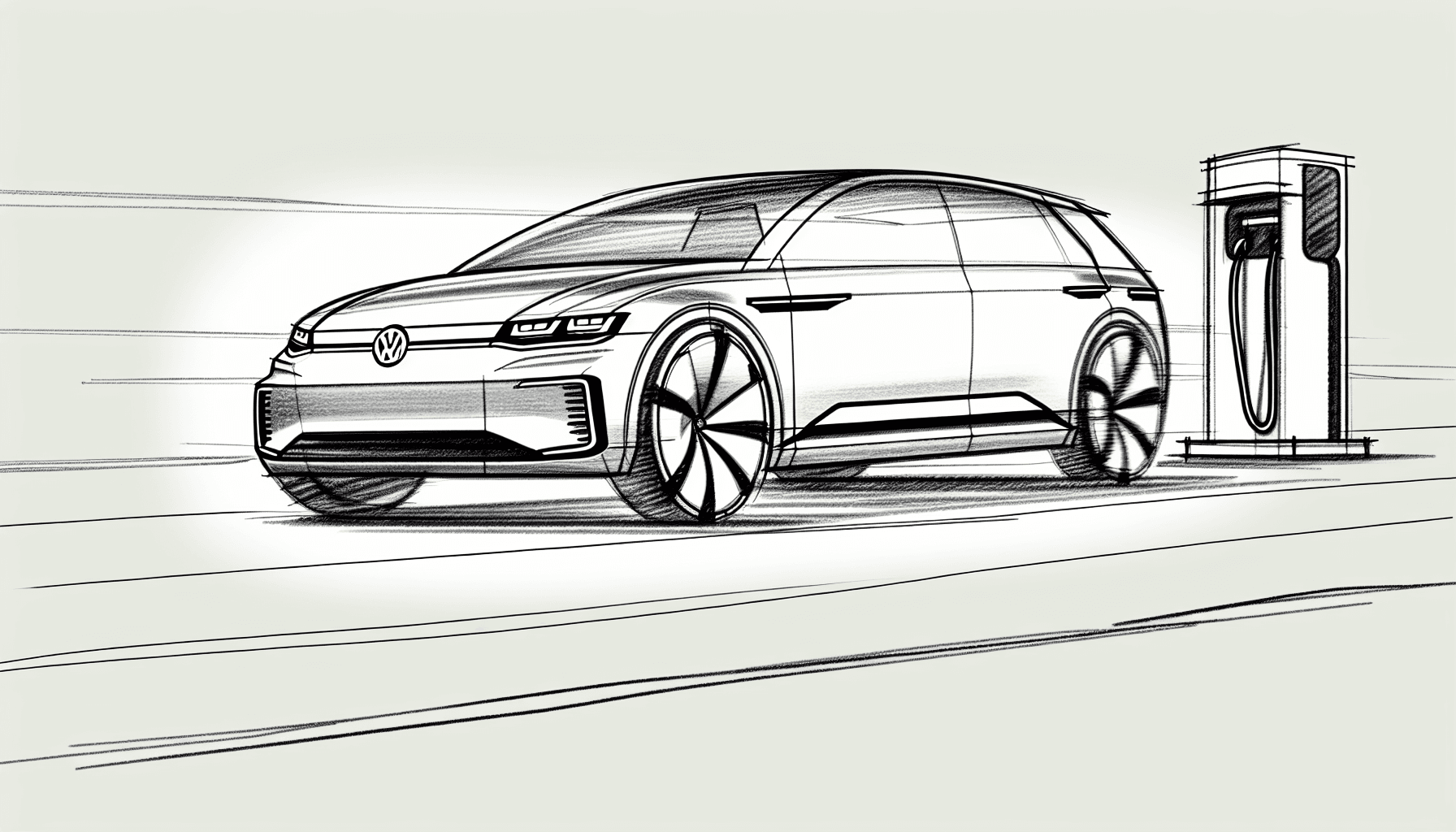
VW Electric Vehicles 2025: Why Rivian’s Platform Could Change Everything
How VW Plans to Use Rivian’s R2 Tech in Its EV Lineup
Exploring the Strategy
As we move into an electric future, companies need to innovate continuously to stay relevant. Volkswagen (VW), a legacy automaker, is making significant strides in its electric vehicle (EV) platforms. One of the most pivotal partnerships it has formed is with Rivian, a rising star in the EV scene. In this article, we will dive into how VW plans to leverage Rivian’s R2 tech in its upcoming EV lineup and what that means for the industry as a whole.
You might wonder, why Rivian? The answer lies in Rivian’s unique approach to electric vehicle design and technology. Their R2 platform is designed for versatility and adaptability, making it an attractive foundation for VW to build upon. This collaboration highlights VW’s strategic focus on delivering innovative, high-performing electric vehicles while also tapping into Rivian’s fresh take on the modern electric drivetrain.
By integrating Rivian’s technology, VW can expedite its transition to an all-electric future. The automaker aims to offer a range of models that are not only eco-friendly but also equipped with cutting-edge features and performance that consumers desire. For instance, the drivetrain efficiency and adaptable design can potentially provide a competitive edge in markets where nimbleness and sustainability are key driving factors.
From cost-effectiveness to manufacturing adaptability, Rivian’s R2 tech can influence how VW approaches its planned electric vehicle offerings. For instance, the R2 platform could allow for lower production costs, a significantly important aspect for VW as it seeks to drive mass adoption of its EV lineup.
This partnership could mark a transformative shift in how traditional manufacturers approach electrification. Instead of merely competing with startups, VW is positioning itself to learn from them, adapting and refining its approach in the spirit of innovation.
With Rivian’s R2 tech as a cornerstone, VW can enhance its electric vehicles with improved range, faster charging times, and advanced autonomous features that are becoming increasingly essential in today’s automotive landscape. As we look forward to 2025, the collaboration may not only help VW catch up with its rivals but also redefine the standards for EVs altogether.
Therefore, the partnership with Rivian presents a brilliant opportunity for VW to tap into a valuable resource pool and further cement its position in the rapidly evolving EV market. This strategy showcases VW’s commitment to becoming a leader in eco-friendly mobility, making the transition from combustion engines to electric powertrains seamless and appealing for consumers.
What Makes Rivian’s Electric Platform a Game-Changer
In the ever-evolving landscape of electric vehicles (EVs), the partnership between Volkswagen (VW) and Rivian is turning heads and raising eyebrows. With VW betting significantly on Rivian’s R2 platform for its future lineup, it’s fair to say that this partnership could be a turning point not just for VW but for the entire automotive industry. So, what exactly is it about Rivian’s electric platform that makes it a potential game-changer?
First and foremost, the flexibility of the R2 platform is astounding. This platform allows for various configurations that can cater to different types of vehicles, from SUVs to trucks. Unlike traditional ICE platforms, which have set molds based on internal combustion engine requirements, Rivian’s R2 platform is designed specifically for electric drive. This flexibility not only reduces production costs but also shortens time to market, which can be crucial in the fast-paced automotive world.
Innovative Technology at Play
Rivian is not just about producing electric vehicles; it’s about integrating innovation into every aspect, from technology to design. Their R2 platform employs advanced battery management systems that optimize performance while ensuring longevity. This cutting-edge technology enables the vehicles to have a longer range and faster charging times. Moreover, Rivian’s approach to autonomous driving is noteworthy. Their vehicles are equipped with a robust sensor suite that lays the groundwork for true self-driving capabilities. By integrating such technology into the R2 platform, Rivian positions itself as a pioneer in the market.
Furthermore, Rivian’s commitment to sustainability is commendable. The R2 platform has been designed with environmental impact in mind, utilizing sustainable materials and practices throughout the manufacturing process. This makes the vehicles not only good for the consumer but also better for the planet.
A Vision for the Future
Looking ahead, VW’s commitment to incorporating Rivian’s platform into their lineup by 2025 demonstrates a strategic shift in their electric vehicle strategy. It highlights the importance of collaboration in the automotive sector to accelerate the development of sustainable transport solutions. By leveraging Rivian’s innovative platform, VW not only gets access to cutting-edge technology but can also jump into the EV market much faster, providing them a competitive edge.
In conclusion, the R2 platform by Rivian possesses multiple attributes that make it a game-changer. The combination of flexibility, innovative technology, and a focus on sustainability could very well set new standards for the electric vehicle industry. As we move towards 2025 and beyond, it will be exciting to see how this partnership unfolds and reshapes the market landscape.
Implications for VW’s SSP and China’s CEA Collaborations
In a bold move that could significantly alter the automotive landscape, Volkswagen (VW) is investing heavily in technological partnerships, particularly with Rivian’s R2 platform, as part of its electric vehicle (EV) initiatives. As the automotive industry pivots towards sustainability, VW aims to establish itself as a leader in the EV market, and this strategy involves not only leveraging Rivian’s cutting-edge technology but also enhancing its collaborations with China’s Clean Energy Automotive (CEA) sector.
This partnership with Rivian comes at a crucial time for VW, especially as it seeks to optimize its SSP (Scalable Systems Platform). By integrating Rivian’s innovative tech into its production line, VW hopes to achieve a more modular approach in developing future EV models. This integrated strategy not only streamlines production but also allows for greater customization, catering to increasingly diverse consumer preferences. Moreover, with Rivian’s focus on adventure-oriented vehicles, VW can diversify its electric offerings beyond traditional urban commuters, tapping into a more adventurous clientele.
Simultaneously, VW’s ongoing collaborations with China’s CEA are essential to its success strategy. China, being a global leader in electric vehicle adoption and infrastructure growth, provides a fertile ground for collaboration. The insights gained from CEA partnerships will help VW to navigate the intricate landscape of regulations and consumer behaviors within the world’s largest automotive market. Engaging with local players not only improves scalability but accelerates the speed of bringing localized EV solutions to market. Therefore, this dual approach of leveraging foreign expertise while integrating local insights is pivotal for VW as it charts a course towards becoming a dominant force in the EV sector.
What This Strategic Shift Means for the EV Market by 2026
As we look toward the future of the automotive industry, one thing is abundantly clear: electric vehicles (EVs) are not just a trend; they are the future. Specifically, the partnership between Volkswagen (VW) and Rivian is noted to be a game-changer. The implications of this collaboration extend beyond just adding new vehicles to VW’s lineup; they represent a strategic pivot that could reshape the entire EV market by 2026. But what does this mean for consumers and manufacturers alike?
First off, let’s consider the scale of this transformation. Volkswagen, one of the most recognized global automotive brands, is aligning itself with Rivian’s innovative electric platform. In doing so, they are not merely enhancing their product offerings but are also making a bold statement about their commitment to electrification. This strategic shift suggests a strong likelihood that VW will prioritize EVs in their production processes and marketing strategies. By 2026, we can expect a greater variety of EV options from VW, which would welcome more competition in the market and encourage suppliers to innovate. Additionally, this shift could facilitate lower prices as manufacturers seek to capture a larger market share.
Next, let’s dive deeper into consumer perception. With more players entering the market, consumers can look forward to the benefits of increased competition: better pricing, enhanced technology, and improved infrastructure, like charging stations. VW’s enhanced electric strategy could normalize EVs among the larger population and mitigate the stigma surrounding them—primarily perceived range anxiety and charging inconvenience. In other words, by 2026, purchasing an electric vehicle may become as standard as buying a gas-powered car, especially as companies like Rivian and VW push the envelope further.
Lastly, the environmental impact cannot be overstated. Greater EV adoption means a shift away from fossil fuels, significantly reducing carbon emissions. This, coupled with advancements in battery technology, fuels optimism about a cleaner planet. While challenges remain, the auto industry’s embrace of electric platforms suggests that major brands are finally recognizing their responsibility in combating climate change. In conclusion, the VW-Rivian partnership symbolizes a noteworthy development in the automotive landscape. By 2026, we may very well be at the forefront of a significant transition—all thanks to strategic decisions made today.
#EVmarket #Volkswagen #Rivian #ElectricVehicles #SustainableFuture