Employee Lifecycle Measurement: How Microsoft Builds Change-Resilient Teams
Understanding the Role of Employee Lifecycle in Organizational Change
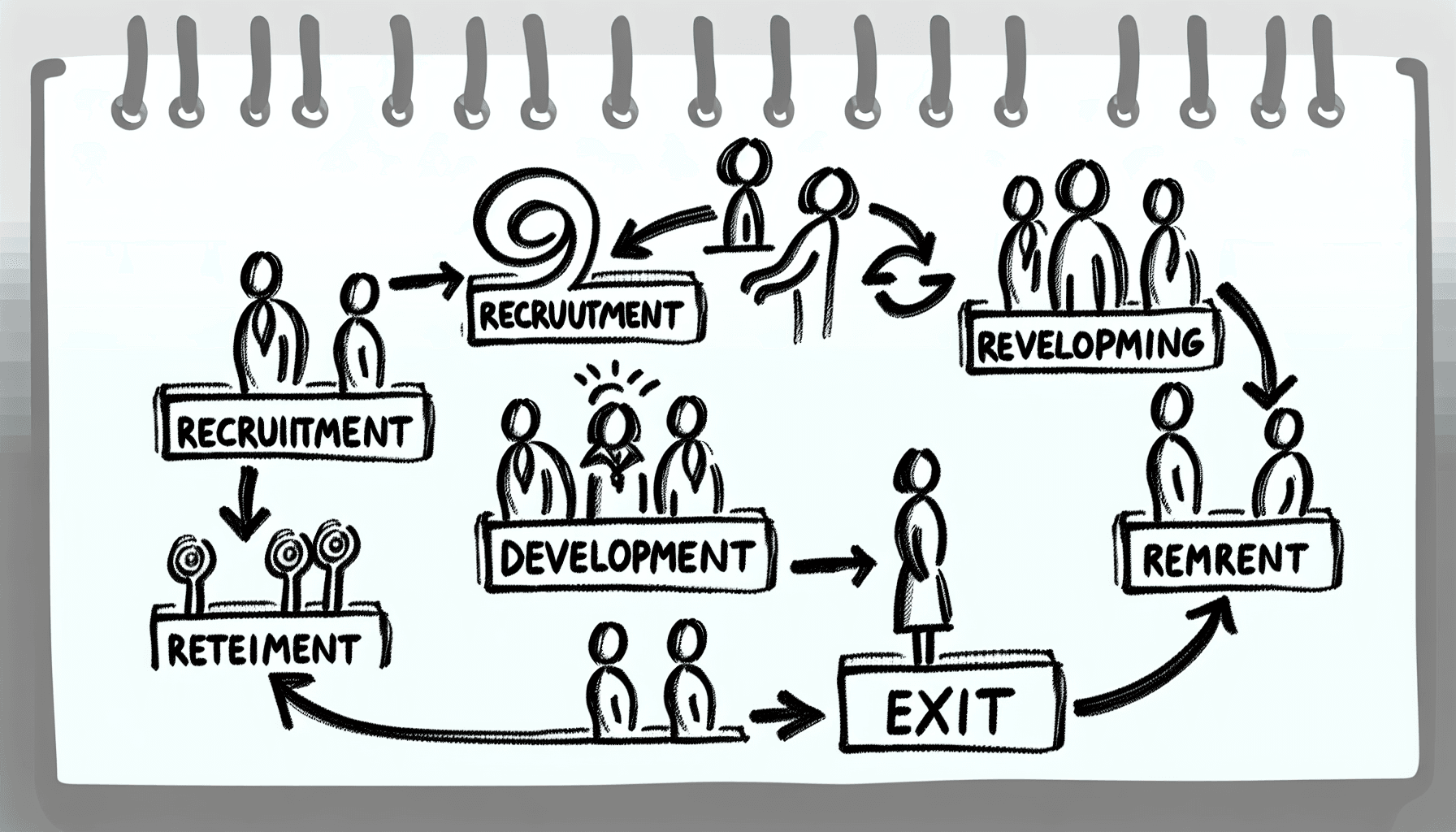
In today’s rapidly evolving business landscape, understanding the employee lifecycle is essential for managing change effectively within organizations. The employee lifecycle refers to the stages that an employee goes through during their time with a company, from initial recruitment to onboarding, development, retention, and, eventually, offboarding. Changes within the organization, such as restructuring or introducing new technologies, can significantly impact each stage of this lifecycle, and recognizing these impacts is critical for ensuring a smoother transition.
Organizations, like Microsoft, are now leveraging data and analytics to track employee experiences throughout their lifecycle. By utilizing employee lifecycle measurement, they can gather insights on how specific changes affect employee satisfaction, engagement, and retention. This proactive approach not only enables organizations to make informed decisions but also helps in cultivating a resilient workforce that can adapt to change more effectively. With employees as a key asset, focusing on the employee lifecycle can drive overall organizational success in times of change.
Significance of Measuring Employee Experience
One of the key reasons for measuring employee experience is that it helps organizations identify pain points throughout the employee lifecycle. When organizations change, such as during layoffs or when implementing new systems, employee morale can plummet. By measuring the employee experience through surveys and feedback forms, management can pinpoint areas that require attention and develop strategies to support their workforce during these times.
Moreover, maintaining an open line of communication during times of change fosters trust and transparency. Employees who feel heard and valued are more likely to be engaged, which in turn, boosts productivity. It’s vital for leaders to consider employee feedback seriously and make adjustments when necessary. When employees perceive that their feedback is valued, it contributes to a positive workplace culture, leading to increased retention rates.
Employee Engagement and Change Management
When organizations engage their employees in discussions about forthcoming changes and seek their input, employee engagement levels rise. This involvement leads to more significant emotional investment in the company, fostering loyalty. Moreover, it can help reduce resistance to change since employees feel that they have a voice in the process.
To better manage change, organizations must tailor their communication strategies to address the unique needs of employees at various stages of the lifecycle. Providing targeted information and support based on where employees are in their journey can make a noteworthy difference in their experience.
In Conclusion
In summary, the role of the employee lifecycle in organizational change is crucial. By effectively measuring and understanding it, organizations can not only improve employee satisfaction and retention but also navigate change with resilience. Companies like Microsoft have recognized the importance of this in fostering an adaptable workforce, and that’s a lesson all organizations can learn from. By prioritizing the employee experience, businesses can not only weather change but emerge stronger on the other side.
How Microsoft Uses Signals and Analytics to Track Employee Experience
If you’ve ever wondered how Microsoft manages to stay on the cutting edge of employee experience, especially in times of turbulent change, you’re not alone. I’ve often pondered over how large corporations can effectively monitor and enhance their workplace environment, particularly during tough times like layoffs or significant organizational shifts. Microsoft’s approach to employee lifecycle measurement is a fascinating case study in itself. They utilize various signals and analytics to understand employee sentiments and experiences, which helps to guide their strategies for adaptation and improvement.
Data-Driven Insights
At the core of Microsoft’s strategy is a commitment to data-driven insights. During changes in company structure, the workforce often experiences anxiety and uncertainty. Microsoft, however, gathers analytics to track these emotions in real time. By assessing employee feedback and tapping into various data points—such as engagement levels and satisfaction metrics—they measure the effectiveness of their communication and support strategies. This can include anything from simple pulse surveys to deep analytics on overall employee well-being.
Proactive vs. Reactive Approaches
One of the standout features of Microsoft’s methodology is its proactive rather than simply reactive approach. The company’s leaders understand that merely responding to employee feedback isn’t always sufficient; they seek to forecast potential issues before they arise. By leveraging advanced analytics, they can identify trends in employee sentiment and engagement levels, anticipating areas where intervention might be necessary. This foresight allows them to craft initiatives aimed at improving morale and retention, simplifying the overall adjustment process for their teams.
Strategies for Communicators to Improve Retention and Morale During Layoffs
When layoffs occur, communication becomes critical. It’s a stressful time not only for those who are let go but also for the employees who remain. How do we maintain morale and improve retention during such turbulent times? The answer lies in effective communication strategies that prioritize transparency and empathy.
First of all, being transparent about the reasons for layoffs is essential. Employees want to understand the decision-making process, especially if they are part of the ongoing workforce. This can be achieved through regular updates from leadership. A recent study suggests that organizations that communicate openly about their challenges are more likely to retain their top talent even during tough times.
Furthermore, it’s important to reassure employees. Regularly check-in with your team and acknowledge their feelings—fear, uncertainty, or even guilt. Consider implementing a series of team-building activities or informal meetings where employees can voice their concerns. This shows that management is not just concerned about business metrics but also about the well-being of their staff. In fact, many companies are now leveraging employee lifecycle measurement tools to track engagement, morale, and other important metrics during layoffs.
Reinforcing Corporate Values
Reiterating the company’s values and mission can also enhance retention. Employees who feel aligned with the company’s purpose are less likely to leave. Sharing stories of how teams are overcoming challenges fosters a sense of community and can motivate employees. A well-structured communication plan can help reinforce that the organization values its people.
Lastly, always have an action plan in place for the remaining staff. Ensure that they understand what comes next, including any support programs available to help them cope with the changes. By listening to your team, being transparent, and reinforcing company values, you can effectively navigate through the storm of layoffs and emerge with a stronger workforce.
Why Measuring Employee Experience is Key to Sustainable Success
In today’s rapidly changing business environment, measuring employee experience has become a crucial factor for companies aiming for sustainable success. Companies that fail to prioritize employee experience often grapple with high turnover rates and low productivity, especially during times of organizational change. So, what exactly does it mean to measure employee experience, and why should companies like Microsoft pay attention to it?
First and foremost, employee experience encompasses every interaction an employee has with the organization—from recruitment through to exit interviews. Successful organizations recognize the significance of these touchpoints and actively seek to improve them. When companies measure employee experience, they are essentially quantifying emotions, sentiments, and perceptions associated with the workplace. This not only creates a healthier atmosphere but also directly influences business performance. Studies suggest that companies with high employee engagement outperform their competitors by up to 202%!
Moreover, data derived from employee experience surveys helps employers align their strategies with employee needs. Employees who feel valued and heard are likely to demonstrate increased commitment and loyalty to the organization, translating to improved morale and retention rates. It’s all about creating an environment where feedback is not just encouraged but actively sought after. Regularly measuring employee experience provides insights that guide necessary adjustments and developments, forming a responsive corporate culture that can adapt swiftly to changes.
The Long-Term Benefits of Employee Experience Measurement
Ultimately, the measurement of employee experience is not just a fad; it’s an ongoing commitment that pays dividends in the long run. Businesses that prioritize employee well-being are not only more resilient during tough times, but they also cultivate a dedicated workforce aligned with their vision and goals. In an age where talent is at a premium, those companies capable of fostering a positive employee experience ensure they remain competitive. Remember, a satisfied employee often translates to a satisfied customer, creating a cycle of success that benefits everyone.
How can companies effectively measure employee experience?
Using surveys, feedback tools, and analytics can provide insights into the employee lifecycle and highlight areas for improvement.
Why is this measurement critical during times of change?
It helps leaders understand employee sentiments and adjust strategies accordingly to maintain morale and productivity.
In conclusion, measuring employee experience is not merely a trend or a one-time assessment; it is a continuous effort that leads to sustainable success. Companies like Microsoft that embrace this challenge are better suited to thrive in the face of competition and change. They create a workplace where employees feel valued, heard, and empowered to contribute to their fullest potential.