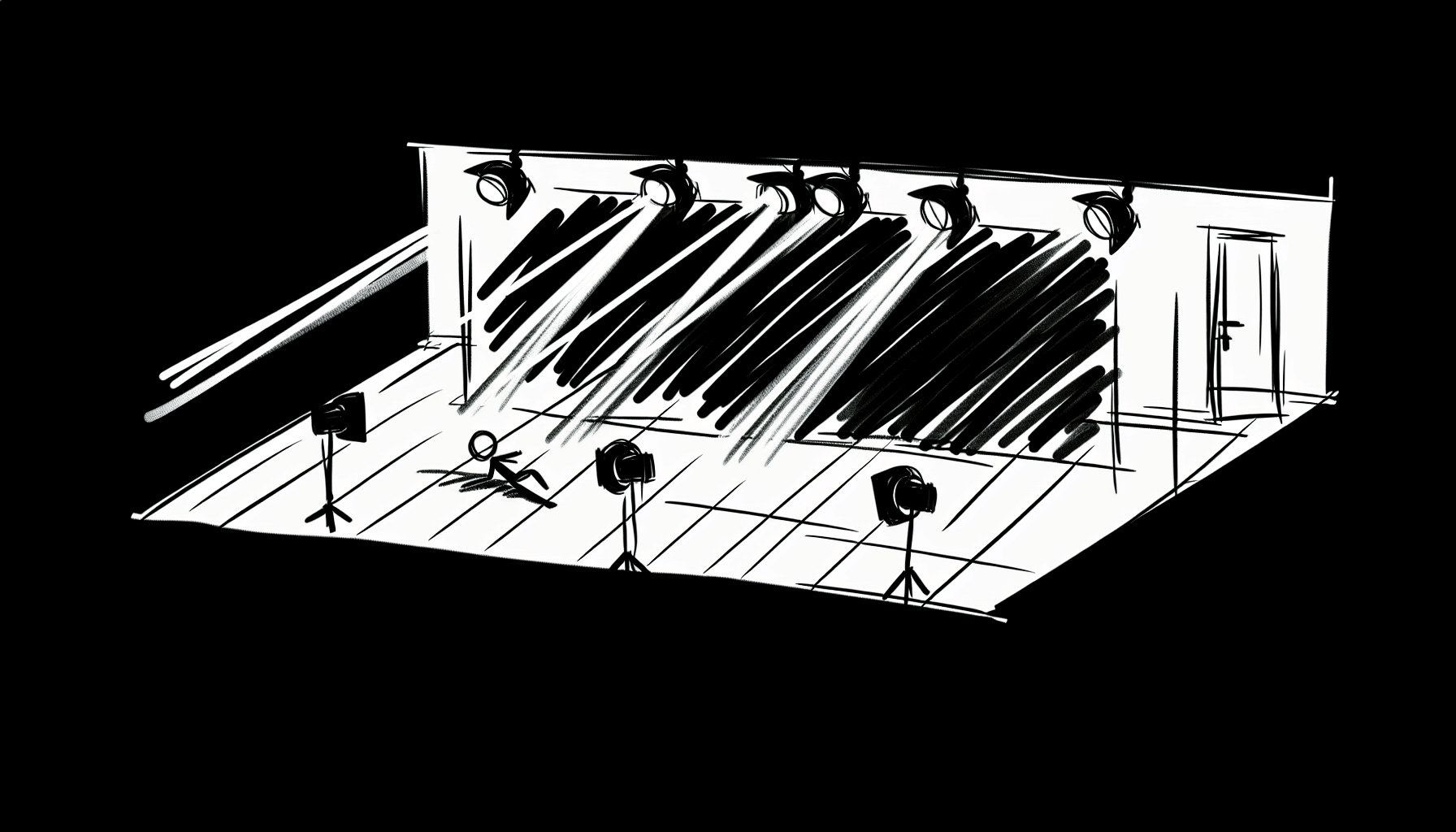
film noir lighting setup: Create Cinematic Drama with Just Three Lights
Understanding the Aesthetic of Film Noir Photography
Film noir is a cinematic style that originated in the early 20th century, characterized by its moody storytelling, deep shadows, and striking use of light and dark contrasts. The aesthetic can be traced back to the classic films of the 1940s and 1950s, where suspense and moral ambiguity were central themes. As photographers, capturing this essence requires an understanding of the intricate lighting setup that aligns closely with this genre. Film noir photography is not just about the subjects or the backdrop but rather how lighting plays a critical role in storytelling. The interplay of light and shadow creates a dramatic atmosphere, immersing viewers into the world of noir.
What sets film noir apart from traditional photography is its embrace of chiaroscuro, a technique that heavily emphasizes the contrast between light and darkness. Think of iconic scenes where a detective interrogates a femme fatale; the shadows cast across their faces evoke tension and uncertainty. This style aims to replicate the feeling of a scene straight out of a classic black-and-white film, allowing the viewers to feel the story unfold through visual cues. To achieve this effect, you need an authentic noir lighting setup – and surprisingly, you can create cinematic drama with just three lights, as we will explore later on.
It’s essential to consider your subject and how the lighting setup can shape their portrayal. A single character illuminated by harsh lighting can convey isolation or despair, while softer lighting may evoke vulnerability or innocence. Therefore, controlling the mood through lighting adjustments becomes crucial in film noir photography. In summary, film noir is a sophisticated interplay between light and dark, engaging the audience emotionally and psychologically. By studying classic films and adapting their techniques, photographers can enrich their craft and produce striking images that resonate with the depth and complexity of film noir storytelling.
Essential Gear for an Authentic Noir Lighting Setup
Creating a stunning film noir lighting setup can seem daunting, but it’s all about having the right gear. Film noir photography is characterized by its dramatic shadows, high contrast, and mysterious, moody atmosphere. You really want to invest in some essential equipment to pull off authentic noir portraits.
Key Components of a Noir Lighting Setup
-
Lights: Ideally, you want to invest in at least three lights. Two should serve as your key and fill lights, and a third light should provide dramatic backlighting. -
Modifiers: Softboxes or umbrellas are incredibly helpful to diffuse the light. This is crucial for reducing harsh shadows and creating a more cinematic feel. -
Camera: A camera capable of taking high-quality images under low light conditions is a must. DSLR or mirrorless cameras usually fit this requirement well.
Keep in mind that adjusting your settings such as ISO and aperture on your camera can greatly affect how your noir lighting will look in the final photograph.
Tips for Achieving Noir Aesthetics
- Experiment with different angles and placements for your lights.
- Don’t hesitate to use gels to add color to your lights and enhance the mood.
- High contrast is your best friend, so play around with shadows!
Ultimately, the key to mastering a film noir lighting setup is practice. Try different arrangements and learn from each shoot. There’s no one right way to achieve it; your creative vision will guide you. Happy photographing!
Step-by-Step Guide to Setting Up Your Lights for Maximum Impact
Creating a film noir lighting setup may sound daunting, but with the right approach, it can be an exciting endeavor. Imagine the rich shadows and the profound contrasts that define this timeless aesthetic. Whether you’re a seasoned photographer or just starting, mastering this lighting technique can take your portraits to new heights.
Understanding the Basics
First things first, let’s familiarize ourselves with the backdrop of film noir aesthetics. The mood is everything here – think of dramatic scenes illuminated by stark contrasts, heavy shadows, and often a single, compelling light source. The ultimate goal is to create an atmosphere that feels both tense and evocative. In the following steps, we’ll outline a straightforward three-light setup that can help you achieve this iconic look. To get started, you’ll need: one main light (key light), one fill light, and a backlight.
Setting the Light Positions
Begin by positioning the key light at a 45-degree angle to your subject. This light will create the initial contrast and drama, casting shadows that add depth to your portrait. Next, place the fill light on the opposite side to soften those shadows without eliminating them entirely. Remember, the aim is to maintain that moody feel typical of film noir. Lastly, add a backlight behind your subject. This will help to separate them from the background, creating a striking silhouette effect. Adjust the intensity until you reach a balance that conveys the essence of noir.
Experimentation is key. Don’t hesitate to adjust the distance and angles of your lights to discover the most captivating effect!
Final Touches
For added flair, consider utilizing gels to shift the color of your lights, enhancing the drama further. Play around with shadows, highlights, and color temperatures to shape the narrative of your portrait. Lastly, remember that the most impactful images develop during the editing process. Utilize software to adjust exposure, contrast, and color grading closer to your vision of noir.
Creating stunning, cinematic portraits using a film noir lighting setup can be both fun and fulfilling. With these lights strategically arranged and a willingness to experiment, you’ll be well on your way to capturing that perfect shot that tells a story.
Final Tips to Elevate Your Film Noir Portraits
Creating film noir portraits isn’t just about the lighting setup; it’s about capturing a mood and a narrative. The classic film noir style is known for its dramatic contrasts, shadows, and a certain mysterious vibe. To really elevate your portraits, consider these final tips that can take your photos from good to masterful.
Embrace the Shadows
Shadows are your friends in film noir photography. Embracing shadows can create a sense of intrigue and depth in your portraits. Use your film noir lighting setup to enhance these shadows; try positioning your lights at angles that cast dynamic shadows across your subject’s face. Play around with different distances and angles to see how the light shapes your subject’s features and creates texture.
Don’t be afraid to lose parts of your subject in shadow; this can add to the mysterious quality that is a hallmark of film noir.
Experiment with Composition
The composition of your shots will significantly influence the final impact of your portraits. Use leading lines and frames within the frame to draw the viewer’s eye towards your subject. Remember, the rule of thirds can help you place elements in a way that feels right but don’t be afraid to break the rules. A centered subject can often evoke a sense of strength or tension that aligns beautifully with the film noir aesthetic.
“In every frame, there should be a story and a feeling. Keep the story going even in just a still image.”
Additionally, think about the depth of field you want to achieve. A shallow depth of field can isolate your subject and bring focus to their expressions, enhancing the emotion in your portraits.
Post-Processing for Dramatic Effect
Post-processing is where your photos can truly come to life. Use editing software to adjust the contrast and saturation, giving your images that rich, moody feel associated with film noir. Introduce a bit of grain to your images to mimic old film and enhance the nostalgic effect.
Be cautious not to overdo the post-processing; too much can diminish the natural beauty of your photography.
In the end, the key to mastering film noir portraits is to immerse yourself in the aesthetic while letting your creativity flow. Don’t hesitate to break conventional rules. This journey is about exploring shadows, lighting, and composition while telling compelling stories through your portraits. Good luck, and may your shots be dramatic!
Film Noir Lighting Setup: Create Cinematic Drama with Just Three Lights
What equipment do I need to achieve a film noir lighting setup?
You will need a few essential lights, modifiers, and potentially a reflector to bounce light back onto your subject while managing shadows.
What tips can I follow for the best results?
Focus on understanding light placement, and feel free to experiment! Each person’s interpretation of film noir is unique, so find what resonates with you!