Content consumption by generation: Unlock better marketing by decoding age-based trends
Understanding generational media preferences in 2025
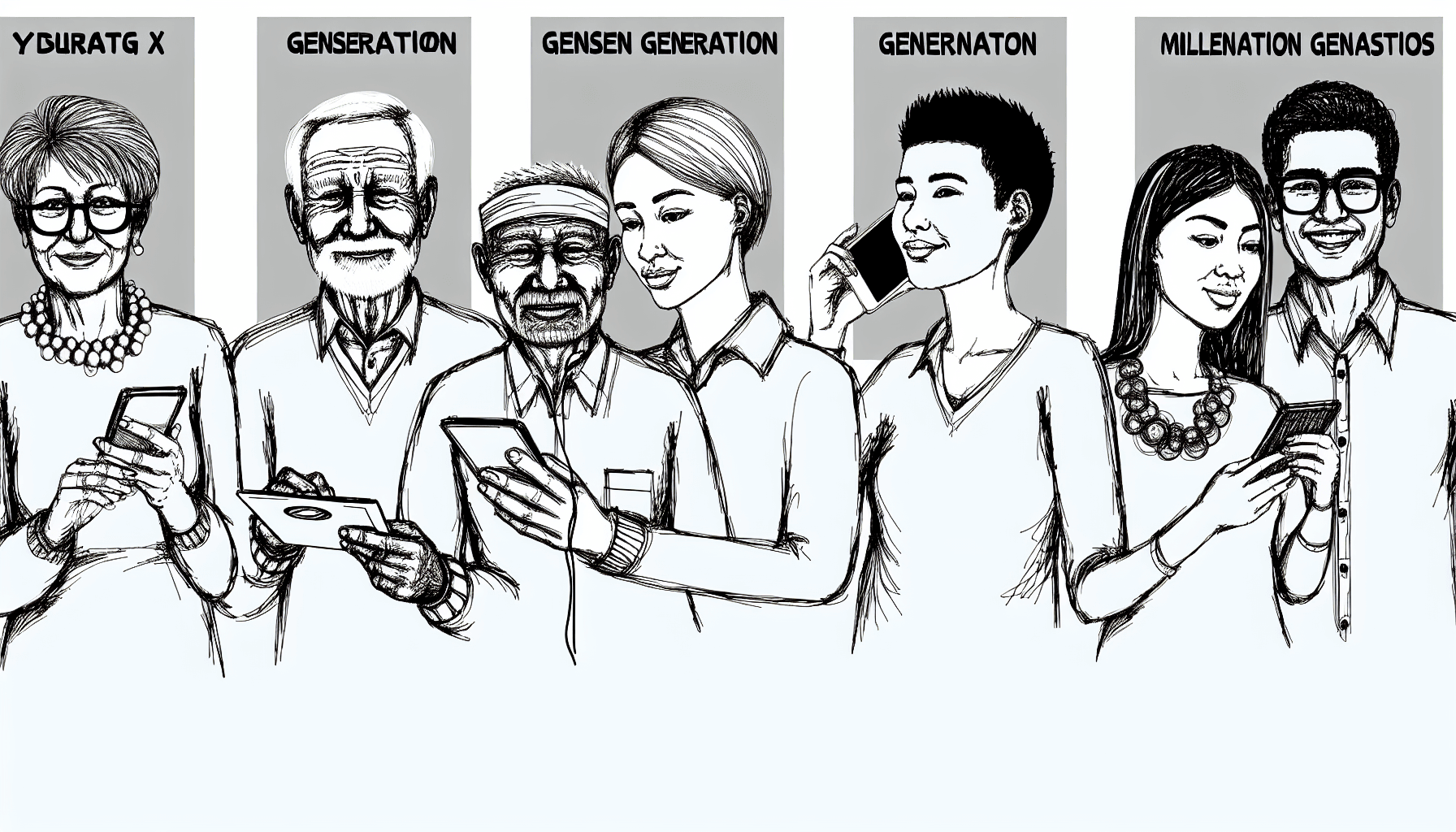
Content consumption in 2025 will markedly differ from how we perceive it today. As we delve into understanding the media preferences across generations, we note a significant shift in how individuals from different age groups interact with content. By 2025, Gen Z will predominantly shape trends with their unique approach to media, while Millennials continue to gravitate towards digital platforms that resonate with their values and lifestyles. We cannot overlook the increasing presence of Generation X and Baby Boomers, who are also adapting to changing platforms and consumption habits. This is where our understanding evolves; as marketers, adapting strategies based on these generational insights becomes crucial.
In the upcoming years, video content will continue to dominate as a primary form of consumption across age groups. Platforms like YouTube and TikTok have made significant inroads into the traditional media landscape, exposing audiences to a plethora of content styles, from educational to entertainment. What’s more interesting is how social media plays a pivotal role in bridging the generational gap. Various age groups are engaging on platforms where trends originate, and this unification fosters an environment ripe for shared experiences and discussions.
Looking forward, brands cannot afford to ignore these shifts. As we tailor our marketing strategies to resonate with these preferences, it is vital to understand what each generation seeks from content. For instance, while Gen Z might lean towards authenticity and relatability, Millennials might place a higher value on brand engagement and community. Thus, refining messages and content to cater to these specific preferences will not only enhance engagement but also foster loyalty.
In conclusion, the landscape of media consumption is poised for transformation by 2025, and a holistic understanding of generational preferences will empower brands to navigate this dynamic environment effectively. Whether it’s through harnessing the power of video or embracing the nuances of social media interaction, strategizing with these insights in mind will unlock significant marketing potential in the years to come.
Why Gen Z and Millennials consume content differently
Have you ever wondered why Gen Z and Millennials seem to have such distinct media consumption habits? I mean, it’s kind of fascinating, right? Just think about it: both generations are deeply embedded in the digital world, yet they navigate it in very different ways. Understanding these differences is not just a trend; it’s essential for brands, marketers, and content creators who are striving to connect and engage with their audiences effectively.
To start, let’s dive into the world of Gen Z. Born roughly between the mid-1990s and early 2010s, Gen Z is the first generation to grow up with smartphones and social media from a very young age. They are digital natives, accustomed to instant access to information and a plethora of entertainment options at their fingertips. This has led to a preference for short-form content that can be consumed quickly. Platforms like TikTok and Instagram Stories reign supreme among them, as they thrive on engaging visuals and succinct messaging. In essence, for Gen Z, content is not just about consumption; it’s an interactive experience, often intertwined with user-generated content and trends that can go viral in a flash.
Now, let’s shift gears to the Millennials, who were born between the early 1980s and the mid-1990s. For them, social media emerged in their teenage years, which means their experience with digital media is slightly different. While they also love social media, platforms like Facebook and Twitter tend to have a stronger hold on them compared to Gen Z’s favorites. Millennials appreciate longer-form content, such as blog posts, podcasts, and YouTube videos that provide in-depth information. They value authenticity and often engage with brands and content that resonate with their values, seeking a balance between entertainment and enlightenment. In fact, brands that tap into social issues or encourage meaningful dialogue tend to capture Millennial attention far better than those that solely focus on sales.
So, in navigating this landscape of content consumption, it’s vital to recognize that these generational differences are not just trivial quirks. They are shaped by unique experiences, values, and perspectives that influence how each group interacts with content. For marketers, understanding these dynamics is the key to crafting strategies that resonate with each generation, from the quick-scroll habits of Gen Z to the deep-dive preferences of Millennials.
In conclusion, the way Gen Z and Millennials consume content may seem vastly different, but it reflects deeper cultural shifts influenced by technology and societal values. As content creators, we must embrace these differences and strive to create experiences that speak to the hearts and minds of our diverse audiences. After all, the future of content is not just about transmission; it’s about connection and relevance.
How Video and Social Media Unite All Age Groups
In a world that seems to be constantly evolving, the way we consume media has seen a seismic shift. Video and social media play pivotal roles in connecting multiple generations, from Baby Boomers to Generation Z. Each age group has its own preferences and habits, yet the platforms that attract them are more alike than different. Let’s dive into how these mediums not only serve as tools for entertainment but also as bridges linking various demographics.
It’s fascinating how platforms like , , and have united us. While Gen Z may prefer quick TikTok clips, Baby Boomers tend to engage more with longer video content, showing that video transcends age. Similarly, social media allows for interactions across generations, proving that whether it’s a heart emoji or a thoughtful comment, everyone is eager to connect in their own way.
Despite varying content preferences, there are noticeable trends that demonstrate how users navigate their online spaces. For example, a significant percentage of Millennials and Gen Zers are gravitating towards short-form content, which emphasizes the importance of creating engaging video snippets. On the flip side, Gen X and Boomers still find value in longer, lecture-style videos that provide depth. Thus, a successful strategy might blend both formats to reach a wider audience. By understanding these nuances, content creators can tailor their strategies to appeal to diverse demographics, fostering a more inclusive digital community.
Adapting your content strategy to generational insights
In today’s fast-paced digital landscape, it’s crucial to understand how content consumption varies by generation. Each generation has unique preferences, behaviors, and platforms they gravitate towards when consuming media. For businesses and content creators, adapting their strategies accordingly can mean the difference between engagement and the dreaded content blackout. So, how do we align our content with the varying tastes and habits of different age groups?
Understanding generational media preferences
Tailoring your content begins with a solid understanding of who your audience is. By acknowledging that Generation Z, Millennials, Generation X, and Baby Boomers all have different media consumption habits, you can optimize your messaging and delivery. For instance, Gen Z tends to favor short, engaging content on platforms like TikTok, while Boomers may prefer longer, more informative articles or videos on traditional platforms. The key is to leverage this knowledge to engage each demographic effectively.
Strategies for content adaptation
Conclusion
Ultimately, adapting your content strategy according to generational insights is not just about understanding who your audience is. It’s about developing a deeper connection with them through targeted, relatable, and relevant content. By embracing the nuances of each generation’s preferences, your content can resonate much more effectively, leading to increased engagement and loyalty.
Question: How can we more effectively use generational data to inform our strategy?
A: By conducting surveys, analyzing platform metrics, and staying ahead of trends, businesses can align their strategies more closely with the expectations of each generation.