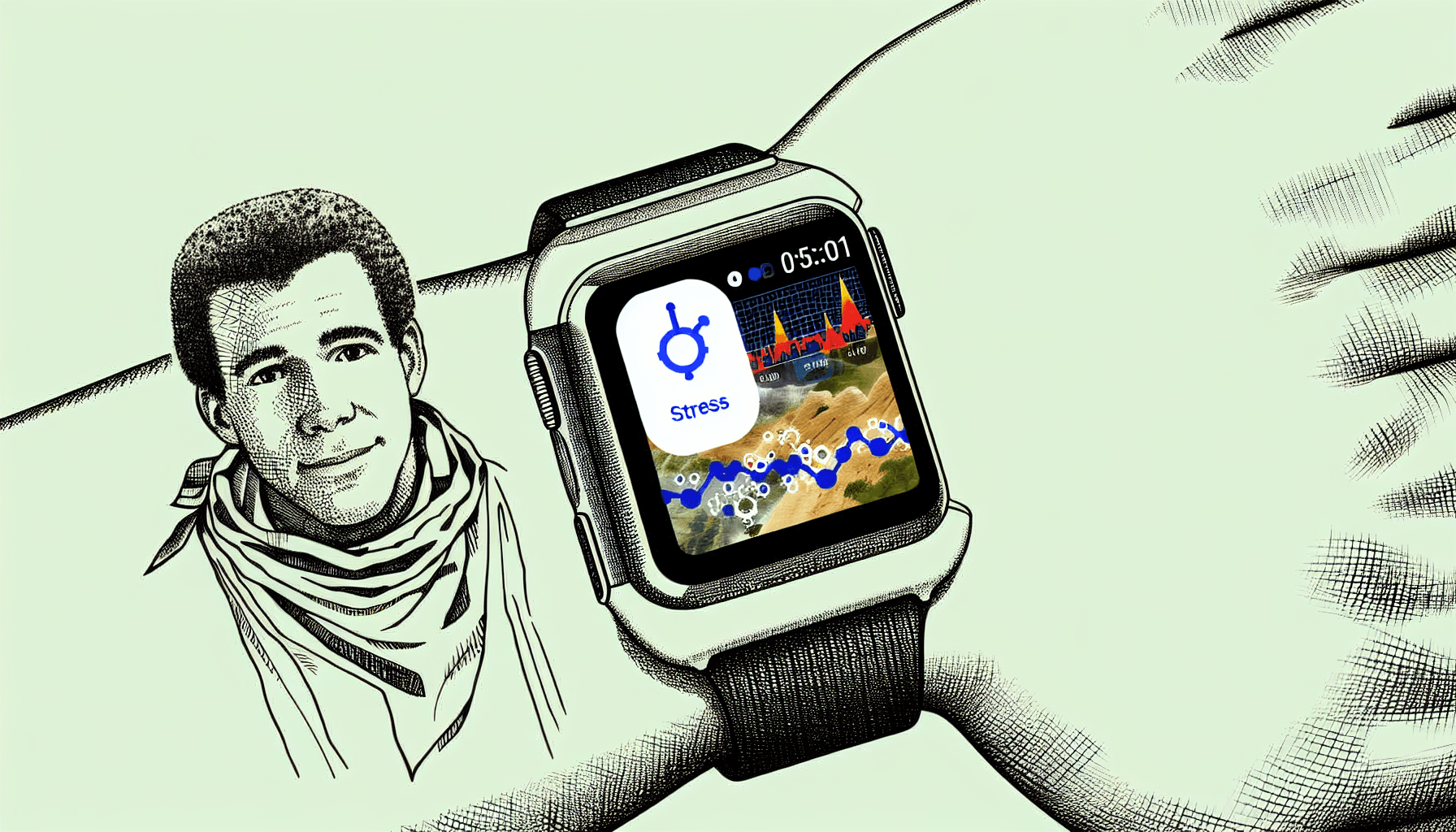
Smartwatch Stress Tracking Is Misleading – What It Actually Measures Will Surprise You
Why Smartwatches Fail at Measuring Actual Stress
It’s not just a matter of how many steps you’ve taken or heartbeats you’ve recorded; many wearables nowadays come with features to track stress levels, but the science behind these measurements is more complicated than one might think. This article will dive into why smartwatch stress tracking falls short of reality and what these devices truly measure.
First and foremost, stress is a complex psychological response to environmental stimuli, and it affects individuals uniquely. While your smartwatch may read physiological signals like heart rate or skin temperature, these metrics can be influenced by myriad factors such as exercise, caffeine intake, or even sleep quality. In short, the context matters. For instance, a quick jog to catch a bus might trigger physical responses similar to those experienced during stress, but the situation couldn’t be more different from a high-stress meeting at work.
Furthermore, the algorithms used by manufacturers to interpret these signals often lack individual customization. What does this mean for users? It’s essentially a ‘one-size-fits-all’ approach. If a user’s heart rate spikes due to an unexpected event, but they have been conditioned to that response from their previous experience, the device would still flag this as ‘stress’—even though it may not apply.
So, can smartwatches be helpful in understanding mental health? Yes, but with significant caveats. These devices can encourage mindfulness and help users track their general wellbeing over time, so they aren’t entirely useless. For example, you can use them to
- monitor variations in your heart rate,
- track sleep patterns to identify potential stressors,
- and even remind you to take breaks when your body needs it.
However, relying solely on these gadgets for emotional insights can be misleading, as they can’t replace recommendations from healthcare professionals.
Given the limitations of smartwatch stress tracking, it’s crucial for users to approach the data with a grain of salt. Just because your device flags a stressful moment doesn’t mean you should panic or react impulsively. Awareness of your context, lifestyle, and emotional state provides a more nuanced picture of your overall wellbeing than any device could offer. Ultimately, smartwatches are just tools—how we interpret the data they provide still lies in our hands.
The Science Behind Stress vs. Physiological Signals
Have you ever wondered why your smartwatch tells you you’re stressed, but you feel just fine? It’s a curious situation that many of us found ourselves in these days with all the wearable tech around. Smartwatch stress tracking can be inaccurate, and new research reveals that these devices often miss the mark when it comes to detecting our mental states.
The underlying science behind stress measurement is intricate. Stress is not just a physiological response; it involves psychological and emotional factors too. Our bodies react to stress through various signals like heart rate, blood pressure, and even skin temperature variations. Wearable devices are designed to capture these physiological signals, but the reality is much more complex. For instance, the algorithms in these devices are built on generalized data about how humans respond to stress. They might calculate your heart rate variability or monitor your breathing patterns, but they’re not really in tune with your personal experiences of stress.
The Misalignment of Tech and Emotion
One essential point is that our emotional state does not always correlate with physical signals. A person might be experiencing high stress but have a stable heart rate; conversely, another person might have elevated heart rates due to caffeine consumption, yet feel utterly calm. This misalignment demonstrates the limitations of wearable tech in portraying an accurate picture of our mental health. Devices can give us hints but not the full story. We must not solely rely on them and should take their readings with a grain of caution.
So, while smartwatches and wearables offer valuable insights, it remains crucial to reflect on our inner emotional landscape. Integrating mindfulness practices along with these devices could be a step in the right direction. Balancing technology with self-awareness is key—after all, no piece of tech can fully grasp what’s going on in our minds.
Monitor your stress levels by being aware of your emotions and not just your smartwatch readings. It’s about the mind-body connection that technology cannot fully measure yet.
What Your Smartwatch Can (and Can’t) Really Tell You About Your Mental Health
You might think that your smartwatch is your new best friend when it comes to keeping tabs on your mental health. I mean, who wouldn’t want a tiny gadget on their wrist to tell them how stressed they are, right? But here’s the reality check: while smartwatches do offer some insights, they often get it wrong, especially when it comes to stress tracking. This brings us to one critical point: Smartwatch stress tracking isn’t as foolproof as it may seem. In fact, recent research indicates that these devices frequently misinterpret physiological signals, leading us to believe that we’re under more stress than we actually are.
Now, it’s crucial to understand that smartwatches measure certain physiological signals like heart rate, sleep patterns, and even physical activity levels. However, stress is a complex emotional response that cannot be precisely quantified by these devices. Isn’t it fascinating how something so small can shed light on our physical health yet fall short when it comes to our mental well-being? Trusting a piece of technology to gauge emotions can feel a bit like trying to fit a square peg into a round hole. This brings us to an intriguing question: should we even bother trusting wearables for emotional insights?
The bottom line is that while wearable technology can offer valuable data on our physical states, they shouldn’t be the sole indicator of our mental health. There’s a big difference between chasing after quantified data and genuinely understanding our emotional states. We should still turn to traditional methods of mental health monitoring, such as talking with professionals or keeping a reflective journal. Our smartwatch might help us keep track of our sleep, but it shouldn’t replace our self-awareness and understanding of our mental health journey. After all, no tiny screen can truly understand the complexities of our emotions!
Should You Trust Wearable Devices for Emotional Insights?
The rise of wearables, particularly smartwatches, is indisputable. Many people whose wrists have become adorned with these devices often rely on them to give insights into their emotional health. But can these gadgets genuinely reflect emotional states? Recent research indicates that while smartwatch stress tracking can provide some information, their accuracy heavily relies on assumptions that may not always be valid. Are we leaning too much on technology for understanding our emotional landscape?
As individuals, we need to be more cautious about interpreting emotional health from these devices designed primarily for fitness tracking. Various psychological aspects aren’t captured through heart rate or step count alone. Let’s not forget the role of human experience and emotion that these devices sometimes oversimplify.
Seeking Alternative Insights
It’s crucial to understand that wearables can be helpful tools but should not be the singular way to gauge emotional health. Their measurements, though seemingly quantitative, can be misleading. A spike in heart rate might indicate stress, but it cannot discern if the stress comes from excitement, anxiety, or something else entirely. This is a reminder to approach technology with awareness and context when assessing our emotional and mental states.
Conclusions and Recommendations
In conclusion, while wearable devices can offer intriguing insights, relying solely on them for emotional insights might be risky. They should complement more traditional methods of mental health and emotional evaluation, like therapy or personal reflection. Trusting technology is fine, but our emotional well-being should ultimately depend on nuanced human understanding and support systems. As we explore the future of emotional health tracking, let’s continue to prioritize the depth of human experience over surface-level metrics.