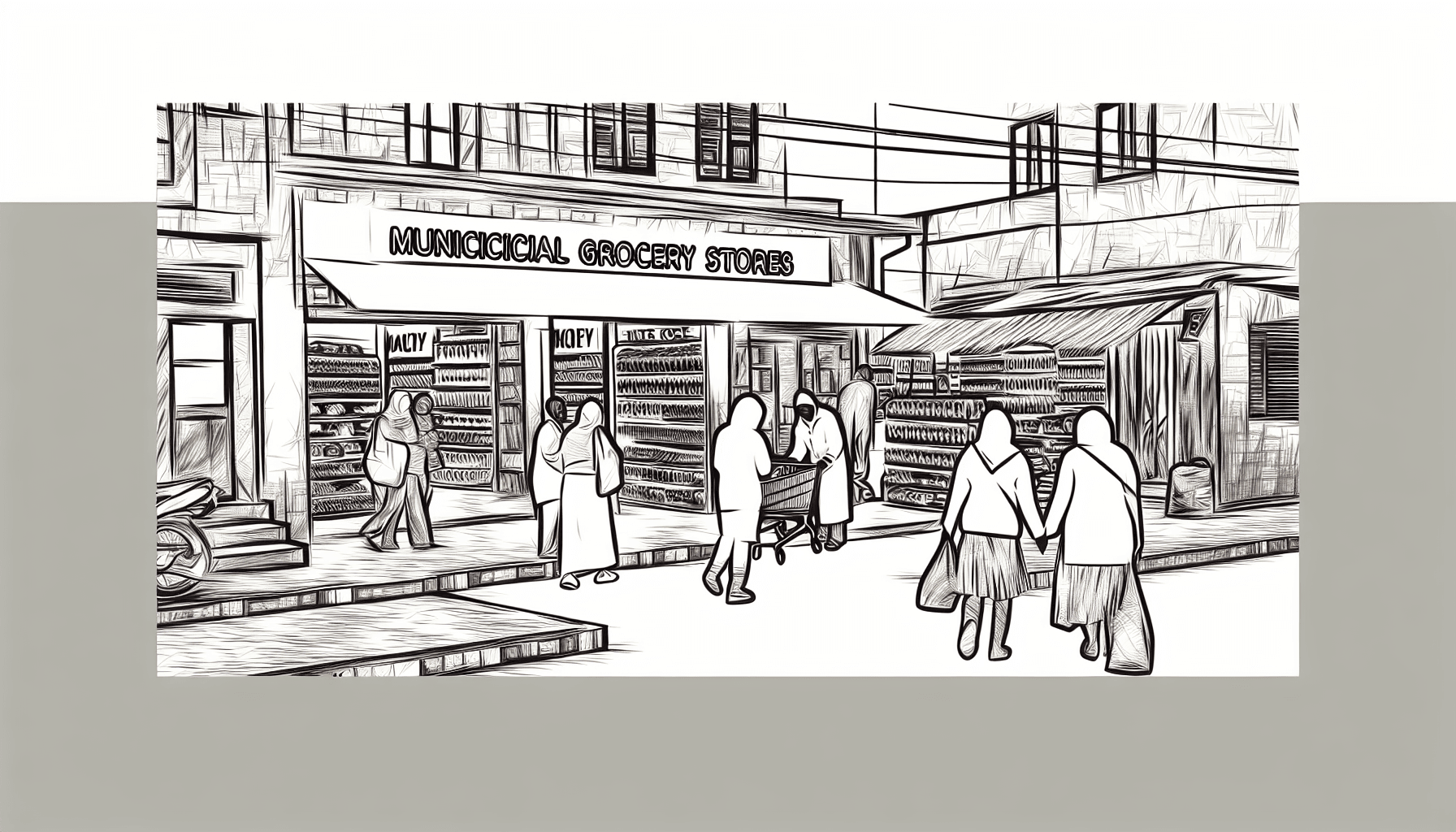
Municipal Grocery Stores: Can They Fix Urban Food Inequality in 2025?
What Makes Municipal Grocery Stores Different From Traditional Markets?
Have you ever noticed how municipal grocery stores stand apart from traditional markets? If you haven’t, allow me to take you on a little journey through this fascinating landscape of urban grocery shopping. Municipal grocery stores are often city-owned establishments, designed to serve the specific needs of the community in which they operate. These stores aim to combat food inequality and provide access to fresh produce and essential goods in neighborhoods that might otherwise lack such resources.
In contrast, traditional markets often prioritize profit over community support. This difference in ownership and mission leads to several distinct characteristics:
- 1. Community Focus: Municipal grocery stores prioritize the needs of the community, offering products that local residents want and need.
- 2. Affordability: They often operate with the goal of keeping prices low, making healthy food accessible to all income levels.
- 3. Local Sourcing: Many municipal grocery stores focus on sourcing from local producers, supporting the local economy and reducing carbon footprints.
Moreover, traditional markets can sometimes be hindered by supply chain issues that affect the availability of fresh produce, especially in underserved areas. In contrast, municipal grocery stores can strategically select their suppliers to guarantee access to fresh items. This is crucial because access to quality food is rapidly becoming a significant concern in many urban areas. Improving access to nutritious food can lead to better health outcomes for residents.
However, operating a municipal grocery store is not without its challenges. For instance, how do these stores balance offering lower prices while still being financially sustainable? Additionally, there can be political pressures related to decisions on product offerings or community engagement. These challenges can sometimes lead to tensions between the store management and local residents.
In conclusion, municipal grocery stores represent an innovative approach to tackling food insecurity in urban settings, and they have the unique potential to strengthen community ties while promoting healthier lifestyle choices. Through a focus on affordability, community engagement, and local sourcing, they hold the promise of a more equitable food landscape for all city residents.
Challenges and Opportunities in Running a City-Owned Grocery
Have you ever thought about how city-owned grocery stores could reshape the urban food landscape? As New York City explores the potential of municipal grocery stores, we witness a fascinating intersection of public service and community needs.
In general, these city-run markets aim to address food inequality, a pressing issue that affects many urban residents. Food deserts persist in some of the city’s poorest neighborhoods, leading to limited access to fresh produce and affordable food. By establishing grocery stores that cater specifically to these underserved areas, municipal initiatives can break down barriers and promote healthier dietary options. Yet while the motivations behind setting up these markets may be noble, running them presents a unique set of challenges.
Operational Challenges
First and foremost, managing the logistics of a city-owned grocery is a complex task. Supply chains must be established that can deliver fresh products regularly while also ensuring affordability for residents. Cities must negotiate contracts with local farmers and suppliers, balancing the commitment to sustainability with the necessity for lower prices. Transparency in operations is crucial as stakeholder scrutiny can affect public perception and support.
Moreover, there’s the challenge of workforce management. Hiring employees who understand and represent the communities they serve is essential. Training programs can help ensure high standards of service, yet recruitment can be daunting in a competitive job market.
Financial Sustainability
Perhaps the most significant challenge lies in achieving financial sustainability without sacrificing the mission of providing affordable food. Municipal grocery stores cannot rely purely on public funding. They must implement innovative business models that can generate revenue and ensure longevity while still remaining accessible.
To mitigate risks, city officials might consider public-private partnerships or exploring grant opportunities focused on food equity. Using data to analyze consumer behavior can help refine offerings and enhance marketing strategies, making stores more appealing to a broader range of customers.
Opportunities for Community Engagement
On a more positive note, city-owned grocery stores can foster a real sense of community. They can serve as gathering places where residents can connect, share ideas, and collaborate on local projects. By organizing events such as health workshops or cooking classes, these municipalities can actively engage with the public, helping to cultivate loyalty and support.
Additionally, there are opportunities for communities to become more involved in decision-making processes—like selecting inventory or contributing to marketing initiatives. This engagement not only strengthens community ties but also enhances the grocery’s relevance to local needs.
Conclusion
In conclusion, running a city-owned grocery store comes with its set of challenges, but the potential positive impacts on the community are immense. As cities like New York explore these initiatives, there is much to learn and adapt, paving the way for a more equitable food landscape in urban areas. It’s an exciting time to reimagine how food access can look in our cities, and municipal grocery stores may very well be at the forefront of this transformation.
How Public Grocery Stores Influence Health and Food Access
Have you ever wondered how access to grocery stores impacts public health? In some neighborhoods, this access can really make or break a community’s well-being. With initiatives like municipal grocery stores popping up in cities like New York City, it’s crucial to explore the direct relationship between food access and health outcomes. Municipal grocery stores, which are city-run and aim to provide equitable access to fresh foods, can reshape urban landscapes and mitigate food inequality.
The rise of food deserts has been an ongoing issue, especially in urban areas. Food deserts are regions where fresh, affordable food is hard to find because of the absence of grocery stores. This issue disproportionately affects low-income communities, leading to poor nutrition and health outcomes, including obesity and diabetes. Municipal grocery stores aim to combat this by providing affordable, healthy food options directly where they’re needed. Imagine walking down to your local store—run by the city—where fresh fruits, vegetables, and whole grains are not just available but also affordable. What a game-changer!
Statistics show that communities with increased access to grocery stores see a marked improvement in health. Community members report lower rates of diet-related diseases and increased fruit and vegetable consumption!
Moreover, public grocery stores can create jobs and stimulate the local economy. When cities invest in these stores, they not only provide essential services to the community but also build a framework for long-term sustainability. As an example, restaurant collaboration projects are increasingly combining efforts with municipal grocery stores to offer cooking classes aimed at teaching residents how to prepare healthy meals with locally-sourced ingredients. By tackling both sides of the equation—access to fresh food and education on how to use it—we open a door to a healthier community.
The Role of Education
Education is key. Many residents simply do not know how to interpret food labels. They might opt for packaged foods that appear cheaper but are loaded with sodium and sugar, unknowingly compromising their health. Municipal grocery stores that provide educational workshops or partner with local health programs can help bridge this gap. Teaching residents about nutrition, cooking techniques, and budgeting empowers them to make healthier choices.
In summary, public grocery stores are a powerful tool in shaping urban food systems and ensuring that all residents have access to nutritious food. As cities continue to grapple with food inequality, investing in municipal grocery stores could be a vital strategy for improving the health of low-income communities. We stand at a pivotal moment, and the choices we make today can lay down the path for communities to thrive tomorrow.
Will Municipal Grocers Survive in America’s Largest Cities?
Municipal grocery stores are emerging as a potential solution to food inequality in urban areas. As cities like New York begin to explore this innovative concept, many are left wondering — will municipal grocers actually be successful in America’s largest cities? What challenges will they face, and more importantly, how can they impact food access for communities that have been underserved for far too long? It’s a topic that generates considerable debate. On one hand, there’s optimism about their potential to provide affordable, fresh food to neighborhoods. On the other hand, there are valid concerns regarding sustainability and operational efficiency.
The Initial Promise
The initial promise of municipal grocery stores is incredibly appealing. Imagine a local grocery store that caters specifically to the needs of its community, offering affordable prices and a focus on fresh produce. This could revolutionize food access in urban zones where food deserts are prevalent. Moreover, government investment in food equity represents not just an effort but a commitment to the health and prosperity of all city residents. As local governments consider these markets, they aim not just to provide food but to promote well-being and build community cohesion.
Challenges Ahead
Despite the encouraging prospects, challenges loom large. Cities must navigate financing, logistics, and operational hurdles. Can municipal grocery stores handle the complexities of supply chains? Will they be able to compete with established retail giants? Additionally, there’s the risk of public funds being mismanaged or the market failing to generate enough revenue to sustain operations long-term. It’s indeed a complex puzzle for city leaders. As they take the plunge into this uncharted territory, the success of municipal grocers will rely heavily on smart planning, community involvement, and transparency.
Looking to the Future
So, will municipal grocers survive in America’s largest cities? The answers to this question will emerge over the next few years as pilot projects are launched and evaluated. As residents of these cities, we should stay informed and engaged in these developments. Public grocery stores could act as a catalyst for reframing how urban food systems operate, but it requires us — the community — to advocate for their success. After all, food is a critical foundation for healthy living, and if municipal grocery stores can help bridge the gap of food inequality, it represents a significant step forward for urban communities. Only time will tell if this business model truly holds water, but the prospect is worth keeping an eye on.
Municipal Grocery Stores: Can They Fix Urban Food Inequality in 2025?
There’s great potential here, as long as they are well-managed and focus on community needs.
Continuing to engage the community for feedback and suggestions will be crucial for their success.
Municipal grocery stores stand at the intersection of hope and challenge in urban food equality, and only time will reveal whether they can thrive and make a much-needed difference in America’s largest cities.
#MunicipalGroceryStores, #FoodInequality, #UrbanFoodSystems, #CommunityWellbeing, #CityNutrition