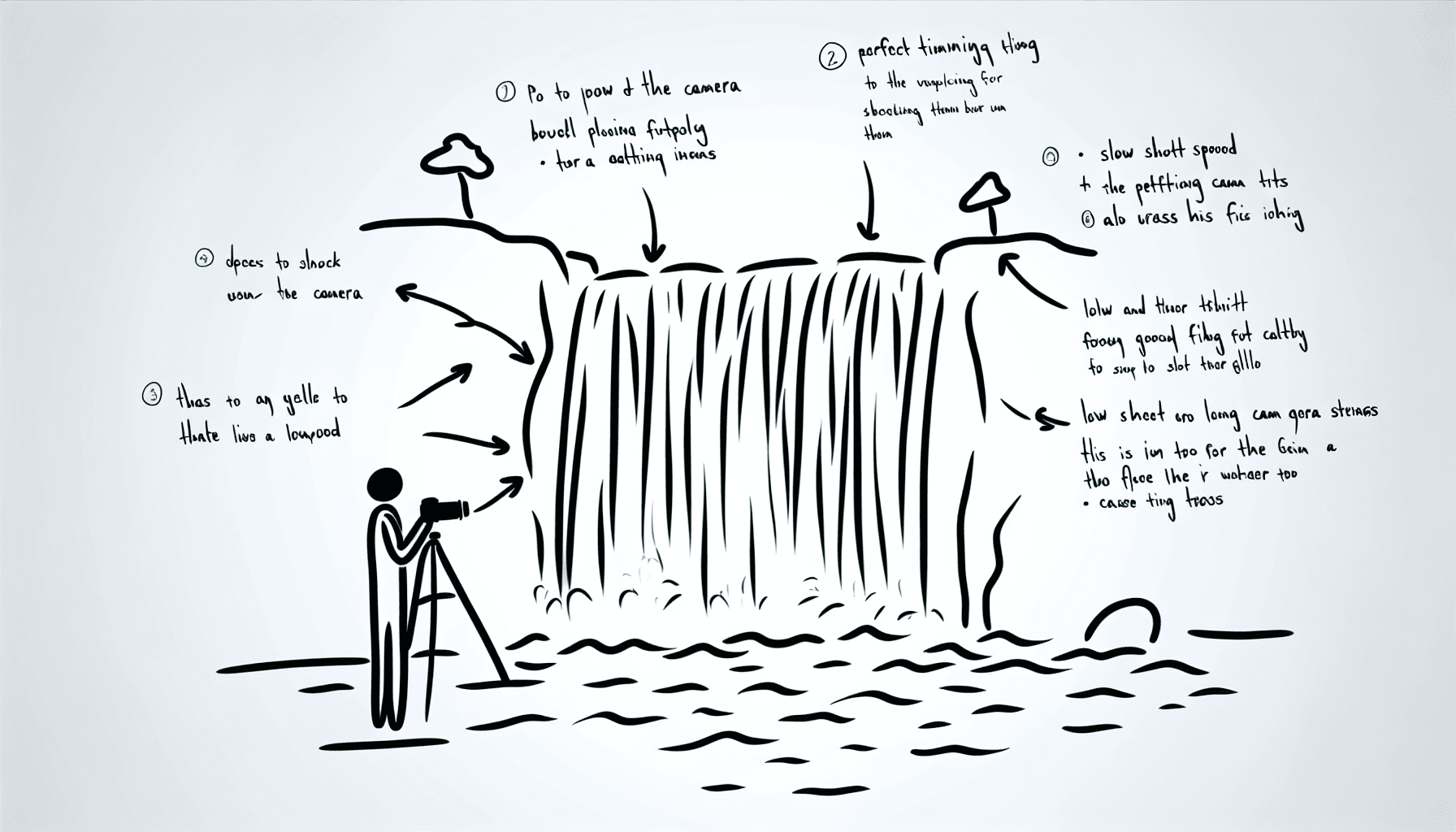
Waterfall Photography Tips: Capture Silky Smooth Waterfalls Like a Pro
Mastering Long Exposure Settings for Smooth Water Flow
Long exposure photography allows you to capture the beauty of flowing water in a way that truly showcases its motion. To nail long exposure shots of waterfalls, here are some essential tips to get you started.
One thing to keep in mind is that the longer the exposure, the more blurred the movement of the water becomes, which can create that silky effect. Typically, this means using exposure times of 1/4 second or longer depending on lighting conditions.
First and foremost, a sturdy tripod is your best friend. Without a tripod, your camera will shake and ruin the beautiful effect you’re trying to achieve. Be sure to use one that can withstand the weight of your camera to ensure stability.
‘Long exposure photography is an art that requires not just technical skill but also patience and creativity.’ – Renowned Photographer
- Find a suitable spot with plenty of flowing water
- Adjust your ISO settings to the lowest value
- Use a shutter speed of at least 1 second or longer
-
Consider the time of day for optimal lighting -
Experiment with different exposure times
Remember, practice makes perfect! The more you experiment with long exposures, the better your waterfall photographs will be.
Be cautious of surrounding areas, especially near waterfalls where rocks can be slippery.
This can be a great opportunity to capture unique wildlife in action as well, so keep your eyes peeled!
Essential Gear: Tripods, ND Filters, and Lenses Explained
When it comes to capturing stunning long-exposure waterfall shots, having the right gear is absolutely essential. Let’s dive into three key pieces of equipment: tripods, ND filters, and lenses. These tools are not just accessories but are fundamental to achieving that dreamy, silky water effect that photographers crave.
Tripods: The Backbone of Stability
Let’s start with tripods. A sturdy tripod allows you to keep your camera stable, especially during long exposure shots where even the slightest shake can ruin your photograph. When looking for a tripod, consider the following:
ND Filters: The Key to Motion
Next up are ND filters (Neutral Density filters). These little gems allow you to reduce the amount of light entering your lens without affecting the color of your scene. This is critical for long exposure waterfall photography, where you want to allow the shutter to stay open longer. Here’s why you should consider investing in quality ND filters:
Lenses: Choosing the Right Perspective
Finally, we can’t neglect lenses. The lens you choose can dramatically influence the composition and mood of your waterfall shots. For landscapes, a wide-angle lens can capture the vastness of the scene while still allowing you to get up close to the waterfall. Here’s what to keep in mind:
To wrap things up, the right gear such as tripods, ND filters, and lenses play a vital role in elevating your waterfall photography techniques. Not only do they enhance the stability and quality of your photos, but they also deepen your creative vision when exploring breathtaking landscapes. With these essential tools in hand, you can capture the stunning, flowing beauty of waterfalls like never before!
Overcoming Challenges: Wind, Light, and Composition
Have you ever set out on a journey to capture the perfect long-exposure waterfall shot, only to be confronted by strong winds, shifting light, or an uncooperative composition? Trust me, it happens to the best of us! As someone who has had my share of trials and errors in waterfall photography, I can assure you that overcoming these challenges is essential for creating stunning images. In this post, we will explore how to manage the effects of wind, manipulate light, and compose your shots effectively.
Managing Wind: Tips and Tricks
Wind is often the unwelcome guest in the world of photography, especially for waterfall shots. It can create ripples in the water, blur the image, or even topple your camera off its tripod if you aren’t careful. Here are some ways to tackle windy conditions:
- Use a sturdy tripod to stabilize your camera.
- Opt for a windbreaker or choose spots sheltered from the wind.
- Experiment with brackets—alternate shots at differing shutter speeds to compare the outcomes.
Remember, determination is key when overcoming challenging weather conditions. The results can be rewarding, often surpassing your initial expectations.
Lighting Challenges: Finding the Right Moment
Lighting is crucial in photography, but it can be especially tricky when dealing with waterfalls. Depending on the time of day and weather conditions, the light can either enhance your image or wash it out completely. Here’s how to harness the power of light:
- Shoot during golden hour or blue hour for softer, more inviting light.
- Consider using ND filters to control exposure without compromising shutter speed.
- Look for overcast days, which can provide natural diffused light and reduce harsh shadows.
Composing the Perfect Shot
Composition is the heart of photography; it’s where your artistic vision comes to life. However, nature doesn’t always align perfectly with our creative ideas, so it’s vital to adapt. Here are some suggestions:
- Use leading lines to draw viewers into the frame, like rocks or waterways.
- Experiment with different angles—the right perspective can change everything.
- Be patient. Observe how elements change with the lighting and movement over time.
In conclusion, every photographer faces challenges when capturing stunning waterfall shots. By understanding how to manage wind, light, and composition, you will elevate your **landscape photography** to new heights. Never forget the beauty that lies in the struggle—your greatest photographs often emerge from the most challenging circumstances!
Final Tips for Perfecting Your Waterfall Photography Experience
Ah, the serene beauty of waterfalls! Capturing these stunning natural wonders through the lens can be truly rewarding, but to truly level up your waterfall photography, there are several final tips that can help you take your shots from ordinary to extraordinary. Trust me, they made a significant difference in my own photography journey. Let’s dive in!
Timing is Everything
The best time to shoot waterfalls is often during the early morning or late afternoon when the light is soft and golden. This time frame, known as the ‘golden hour,’ can dramatically enhance the ambiance in your photos. Additionally, consider the time of year when you’re headed out: waterfalls can look vastly different depending on the season. For instance, spring melts and autumn foliage can provide beautiful contrasts to the rushing water.
-
Golden Hour is ideal for softer lighting. -
Seasons affect waterfall appearances – explore accordingly!
Composition Magic
When photographing waterfalls, composition is crucial. Use leading lines such as rocks, paths, or vegetation to draw the viewer’s eye into the frame. You can also try different angles and perspectives: shoot from above, below, or even at the waterfall’s edge. Each angle can provide a fresh look at the same scene, transforming it into something unique. Trust your instincts; if you feel a composition could work well, give it a shot!
“The only way to discover the limits of the possible is to go beyond them into the impossible.” – Arthur C. Clarke
Post-Processing for a Polished Finish
Lastly, don’t underestimate the importance of post-processing. Editing your photos can bring out details and colors that you may have missed while shooting. Tools like Adobe Lightroom or Photoshop can help you adjust exposure, contrast, and colors, enhancing the dynamism of your waterfall images. Remember to maintain a balance; over-editing can ruin the natural beauty you’re aiming to capture.
These final tips for perfecting your waterfall photography rely heavily on practice and experimentation. Each waterfall and location may provide unique challenges, so embrace them! Keep experimenting with techniques, and most importantly, enjoy the experience. Happy shooting!
What are the best waterfall photography tips?
Focus on timing, composition, and don’t forget post-processing!
Absolutely! Following these tips will significantly improve your waterfall photography skills.